We all love a good scent, don't we? But the world of perfume can feel a bit much sometimes, with all the different smells and fancy words. That's why we've put together this beginner’s guide to perfume families. It’s all about making sense of the basics, so you can find scents that you really like without feeling totally lost. Think of it as your friendly map to the wonderful world of fragrance.
Key Takeaways
- Perfumes are grouped into families like Fresh, Floral, Woody, and Oriental based on their main smells.
- Understanding scent notes – top, middle, and base – helps explain how a perfume changes over time.
- You can mix different fragrance families to create your own unique smells.
- Choosing a scent often depends on the occasion, your personal style, and simply what smells good to you.
- Don't be afraid to experiment; finding your signature scent is a fun journey of discovery.
Understanding the main fragrance families
When we first started exploring perfumes, it felt like trying to learn a whole new language. There are so many different smells, and they all seem to have their own little personalities. But once we got a handle on the main fragrance families, it all started to make sense. Think of these families as the big categories that help us sort and understand scents, kind of like how we group music genres. Knowing these families is a great starting point for figuring out what we like and why.
The fresh and invigorating scent profile
These are the scents that just make you feel awake and clean. They’re usually bright and zesty, often with citrus notes like lemon or bergamot, or sometimes green smells like cut grass or mint. They’re perfect for a morning boost or when you just want something light and uplifting. We often reach for these when the weather gets warmer, as they feel really refreshing.
- Key characteristics: Crisp, clean, zesty, uplifting.
- Common notes: Lemon, lime, bergamot, mint, marine accords.
- Best for: Daytime, summer, feeling energised.
The romantic and timeless floral bouquet
This is probably the family most people think of first. Floral scents are all about flowers, from a single rose to a whole garden of blooms. They can be soft and powdery, or lush and a bit more intense. We find them really romantic and classic, suitable for so many different occasions, whether it’s a special event or just a quiet evening in.
- Key characteristics: Romantic, classic, soft, sometimes powdery or lush.
- Common notes: Rose, jasmine, lily, peony, violet.
- Best for: Almost any occasion, creating a feminine feel.
The warm and exotic oriental allure
These fragrances are definitely on the richer side. They often have spices, vanilla, or amber, giving them a warm, cosy, and sometimes a bit mysterious feel. They can be quite bold and luxurious, making them a good choice for evenings or when we want something a bit more special and indulgent. They really do have a certain allure about them.
- Key characteristics: Warm, rich, spicy, sweet, exotic.
- Common notes: Vanilla, amber, cinnamon, clove, musk.
- Best for: Evenings, autumn/winter, feeling luxurious.
The earthy and grounding woody character
Scents in this family remind us of forests and the outdoors. They often feature notes like cedarwood, sandalwood, or patchouli, which give them a warm, dry, and grounding quality. We find these scents sophisticated and comforting, great for adding a sense of depth and stability to our collection. They work well for both day and night, depending on the specific blend.
- Key characteristics: Warm, dry, earthy, grounding, sophisticated.
- Common notes: Cedarwood, sandalwood, patchouli, vetiver.
- Best for: All seasons, creating a sense of calm and sophistication.
Exploring scent characteristics and notes
So, we've touched on the big perfume families, but what actually makes them smell the way they do? It all comes down to the specific notes that are used. Think of it like building blocks; different combinations create totally different vibes. We're going to look at a few more specific scent types that often pop up.
The playful and sweet fruity notes
These are the scents that just make you feel happy and bright. We're talking about things like juicy peach, crisp apple, or even a burst of mixed berries. They're usually quite uplifting and can really add a sense of fun to a fragrance. You'll often find them used in lighter perfumes, perfect for daytime or when you just want a bit of cheer.
The delicious and comforting gourmand aromas
If you love the smell of baking or your favourite dessert, you'll probably be drawn to gourmand scents. These are inspired by food, so think creamy vanilla, warm caramel, rich chocolate, or even coffee. They’re incredibly cosy and inviting, like a warm hug in a bottle. They’re great for making a space feel really welcoming or for adding a touch of indulgence to your day.
The crisp and natural green fragrances
These scents bring to mind freshly cut grass, damp earth after rain, or crushed leaves. Green fragrances are all about that natural, crisp, and often slightly sharp aroma. They can be really refreshing and grounding, giving you a sense of being outdoors. They’re not as common as florals or fruits, but they offer a really clean and invigorating experience.
Understanding these different scent profiles helps us appreciate why we're drawn to certain perfumes. It's not just a random preference; it's about how these specific notes make us feel.
Here's a quick look at some common notes within these categories:
- Fruity: Peach, Apple, Blackberry, Strawberry, Pineapple
- Gourmand: Vanilla, Caramel, Coffee, Almond, Chocolate
- Green: Grass, Mint, Basil, Green Tea, Galbanum
How perfume notes create a lasting impression
Have you ever wondered why a perfume smells one way when you first spray it and then changes throughout the day? It’s all down to the clever way perfume notes are put together. Think of it like a story unfolding; each part plays its role to create the full picture.
The fleeting first impression of top notes
When you first spritz a perfume, the scents you notice straight away are the top notes. These are usually light and fresh, often featuring things like citrus fruits (think lemon or bergamot) or light herbs. They're the 'hello' of the perfume, designed to grab your attention. But, they don't hang around for long, usually disappearing within about 15 minutes to an hour. Their main job is just to give you that initial burst of scent before the main event begins.
The defining character of middle notes
Once the top notes have done their job and started to fade, the middle notes, also called heart notes, start to come through. These are the real core of the perfume, giving it its main personality. You'll often find florals, fruits, or spices here. These notes are more robust than the top notes and can last for a few hours. They're what you'll smell most of the time you're wearing the perfume, so they're pretty important for deciding if you actually like the scent.
The enduring foundation of base notes
Finally, we get to the base notes. These are the heavyweights of the perfume world. They appear after the middle notes start to fade and are the ones that stick around the longest, sometimes for many hours. Base notes are usually deeper, richer scents like woods, vanilla, or musk. They provide the lasting impression and the depth that makes a perfume feel complete. They also help to slow down the evaporation of the other notes, making the whole fragrance last longer on your skin.
It's this progression – from the quick-fading top notes, through the characterful middle notes, to the long-lasting base notes – that makes a perfume evolve and feel dynamic. It’s a bit like how a song starts with an intro, moves into the main melody, and finishes with a strong outro.
Choosing scents that suit your style
Finding a perfume that feels like you is a bit like picking out an outfit – it should make you feel good and fit the occasion. We all have different tastes, and that’s where understanding the main fragrance families really comes in handy. It’s not just about what smells nice in the bottle; it’s about how a scent makes you feel and how it complements your day.
Matching your fragrance to the occasion
Think about where you’re going and what you’ll be doing. A light, fresh citrus scent is perfect for a sunny afternoon picnic or a busy workday when you want something uplifting. On the other hand, a richer, warmer oriental or woody fragrance might be just the thing for a special evening out or a cosy winter gathering. Florals often feel romantic and are great for dates or weddings, while gourmand scents, with their sweet, edible notes, can add a comforting touch to cooler evenings.
Here’s a quick guide:
- Daytime/Casual: Fresh, Fruity, Green
- Evening/Formal: Woody, Oriental, Gourmand
- Romantic: Floral, Oriental
- Work/Office: Light Fresh, Subtle Florals
Aligning scents with your personal style
Beyond the occasion, your personal style plays a big part. Are you someone who loves bright colours and bold statements, or do you lean towards more understated, classic looks? If you’re drawn to vibrant energy, you might find yourself reaching for zesty citrus or playful fruity perfumes. If your style is more about quiet confidence and natural elegance, perhaps earthy woody or delicate floral scents will call to you. Don't be afraid to experiment; sometimes a scent that seems outside your usual style can surprisingly become a new favourite.
Your scent is a personal expression, much like your clothes or your music taste. It’s a way to communicate a mood or an aspect of your personality without saying a word. Consider what you want your fragrance to say about you.
The importance of testing before you buy
This is probably the most important step. What smells amazing on a friend or even on a paper tester strip might smell completely different on your skin. Our body chemistry can change how a fragrance develops. So, we always recommend spraying a bit on your wrist or the crook of your elbow and letting it sit for a few hours. See how it changes, how long it lasts, and if you still love it after the initial burst. It’s the only way to truly know if a scent is a good match for you.
The art of layering different fragrance families
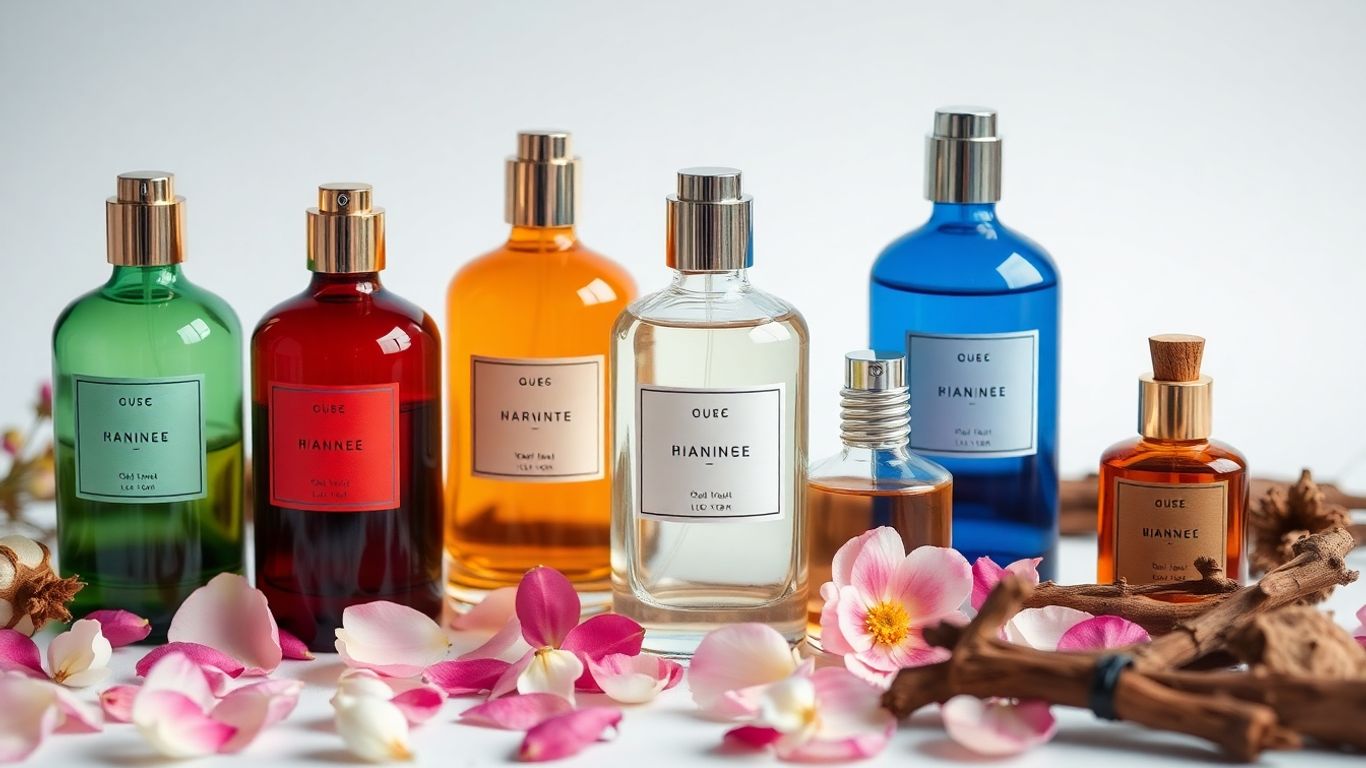
So, we've talked about the main scent groups, right? Fresh, Floral, Woody, Oriental, and the others like Gourmand and Fruity. Now, the really fun part starts: mixing them up. Think of it like cooking; you don't just throw everything in a pot. You combine ingredients to make something new and exciting. Perfume layering is much the same.
Creating unique blends with complementary notes
We can start by pairing scents that naturally work well together. For instance, a fresh citrus top note can really lift a warmer, woody base. Or maybe you fancy a floral heart with a hint of sweet gourmand in the background? It’s all about finding those connections. We often find that a clean, green scent can add a lovely crispness to a richer, more oriental blend. It’s about building a scent that tells a story, one that’s uniquely yours.
Here’s a simple way to think about it:
- Fresh + Floral: Creates a bright, airy, and romantic scent. Think of a walk through a dewy garden.
- Woody + Oriental: This combination is warm, deep, and comforting. It’s like a cozy evening by the fire.
- Fruity + Gourmand: A playful and sweet mix, perfect for a cheerful mood. Imagine a dessert with fresh berries.
- Green + Citrus: Super invigorating and clean. Great for a morning pick-me-up.
Building a dynamic scent profile
Layering isn't just about making a new smell; it's about creating a scent that changes and evolves throughout the day. You might start with a bright, zesty opening, then as the day goes on, a softer floral or a comforting woody note comes through. The goal is to create a scent that feels multi-dimensional. It’s like having a few different perfumes in one, depending on how it develops on your skin. We can even think about the notes themselves. If you have a favourite scent with a strong vanilla base, you could try adding a lighter floral or a touch of spice on top to give it a new twist. It really opens up a whole new world of scent possibilities, letting us express different sides of ourselves through fragrance.
Discovering your signature scent

So, we've chatted about all the different perfume families, from the zesty fresh ones to the cosy gourmands. Now comes the really fun part: figuring out which ones make you feel like you. It’s not about following trends or what someone else says smells good; it’s about what makes your nose happy and your spirit lift. Think of it like finding your favourite jumper or the perfect pair of jeans – it just feels right.
Starting with scents that bring you joy
Honestly, the best place to begin is by sniffing things that already make you feel good. Do you love the smell of rain on hot pavement? That might point you towards green or aquatic notes. Or perhaps you adore the aroma of freshly baked cookies? That's a clear sign you'll probably enjoy gourmand scents. Don't overthink it; just pay attention to the smells in your everyday life that bring a smile to your face. We find that starting with these familiar, happy smells makes the whole process much less daunting.
Experimenting to find what resonates
Once you have a general idea of what you like, it’s time to get a bit more hands-on. Head to a shop and try a few different things. Don't just spray them on a card; put a little on your skin. Our skin chemistry can really change how a perfume smells, so what smells amazing on paper might be a bit 'meh' on you, and vice versa. Try a few from different families, maybe one floral, one woody, and one fresh. See how they develop over a few hours. You might be surprised by what you end up liking.
Here’s a little guide to get you started:
- Fresh: Think citrus, sea breeze, cut grass. Great for feeling clean and awake.
- Floral: Roses, jasmine, lilies. Classic, romantic, and often very pretty.
- Woody: Sandalwood, cedar, patchouli. Grounding, warm, and sophisticated.
- Oriental/Amber: Vanilla, spices, incense. Rich, warm, and a bit mysterious.
- Gourmand: Vanilla, caramel, coffee, chocolate. Smells good enough to eat, very comforting.
Letting your senses guide your exploration
Ultimately, finding your signature scent is a personal journey. There are no hard and fast rules. We’ve learned that sometimes the scent that calls to you is completely unexpected. Maybe you thought you hated florals, but then you tried a specific jasmine scent that just felt perfect. Or perhaps you always went for light, fresh things, but a deep, spicy oriental captured your attention. Trust your nose and your gut feeling. It’s about creating a scent that feels like an extension of yourself, something that you’ll want to wear every single day, no matter the occasion.
Don't be afraid to revisit scents you've tried before. Your tastes can change, and what didn't work last year might be your new favourite today. It's all part of the fun of discovering what makes you feel truly special.
So, What's Next?
Right then, we've had a good look at the different perfume families, from the zesty Fresh ones to the cosy Gourmands and everything in between. It’s not about picking just one, you know. Think of it like building a wardrobe – you’ll want different scents for different moods or occasions. Maybe a bright floral for a sunny day, or something warm and woody for a chilly evening. Don't be afraid to experiment a bit, perhaps even try layering a couple of scents to see what happens. Ultimately, it’s all about finding what makes you feel good. Happy sniffing!
Frequently Asked Questions
What are perfume families, and why should we care?
Think of perfume families as scent groups, like how music has genres. We use them to sort smells based on what they mostly smell like – maybe flowers, or woods, or something sweet. Knowing these families helps us pick out scents we like and understand why we like them. It’s like having a map for the world of smells!
How do we know which family a perfume belongs to?
Usually, the name or description of a perfume gives you a clue. If it mentions roses or jasmine, it’s likely a floral. If it talks about vanilla or cinnamon, it’s probably oriental. Sometimes, it’s a mix, but there’s usually a main scent that points towards a family.
Can we mix different perfume families?
Absolutely! Mixing is where the real fun begins. You can layer different scents to create something totally unique. Imagine a fresh, citrusy top note with a warm, woody base – it’s like creating your own special blend that nobody else has.
How do the different scent notes work together?
Every perfume has three layers of scent, called notes. The top notes are the first smell you get, but they disappear fast. Then come the middle notes, which are the main character of the perfume. Finally, the base notes are the deep, lasting smells that stick around the longest. They all work together to make the perfume smell the way it does.
What's the best way to find our signature scent?
Start with what makes you happy! If a certain smell makes you feel good, explore perfumes in that family. Don't be afraid to try new things and test different scents on your skin. Your nose will tell you what feels right for you.
Do our scent choices change depending on the occasion?
Yes, they can! We might choose a light, fresh scent for a sunny day out, but perhaps something richer and warmer for a cosy evening. Your mood and where you're going can really influence which perfume family feels most fitting at that moment.