We've all heard whispers of Oudh, that mysterious ingredient often linked to luxury and ancient traditions. It's splashed across high-end perfume bottles and spoken of in hushed, reverent tones. But what exactly is this stuff, and why does it cost an absolute fortune? We decided to find out, digging into what makes Oudh so special, from how it's made to why it's become a staple in the world of fine fragrances. Get ready, because we're about to explore the fascinating, and often surprising, reasons behind Oudh's exorbitant price tag.
Key Takeaways
- Oudh, also known as agarwood, is a resin formed when Aquilaria trees get infected by a specific type of mold, acting as a natural defence mechanism.
- The scent of Oudh is complex and captivating, often described as woody, smoky, leathery, and even slightly sweet or spicy, with variations depending on its origin and age.
- Historically, Oudh has been deeply embedded in Middle Eastern and Asian cultures, used in spiritual practices, rituals, and as a symbol of hospitality and respect.
- In modern perfumery, Oudh is prized for its sophisticated and exclusive aroma, often used as a base note to add depth and longevity to fragrances.
- The high cost of Oudh is primarily due to the extreme rarity of naturally infected agarwood, the labour-intensive harvesting and extraction process, and the lengthy, unpredictable time it takes for the resin to form.
What is oud and why is it so expensive?
The origins of oud: a natural defence mechanism
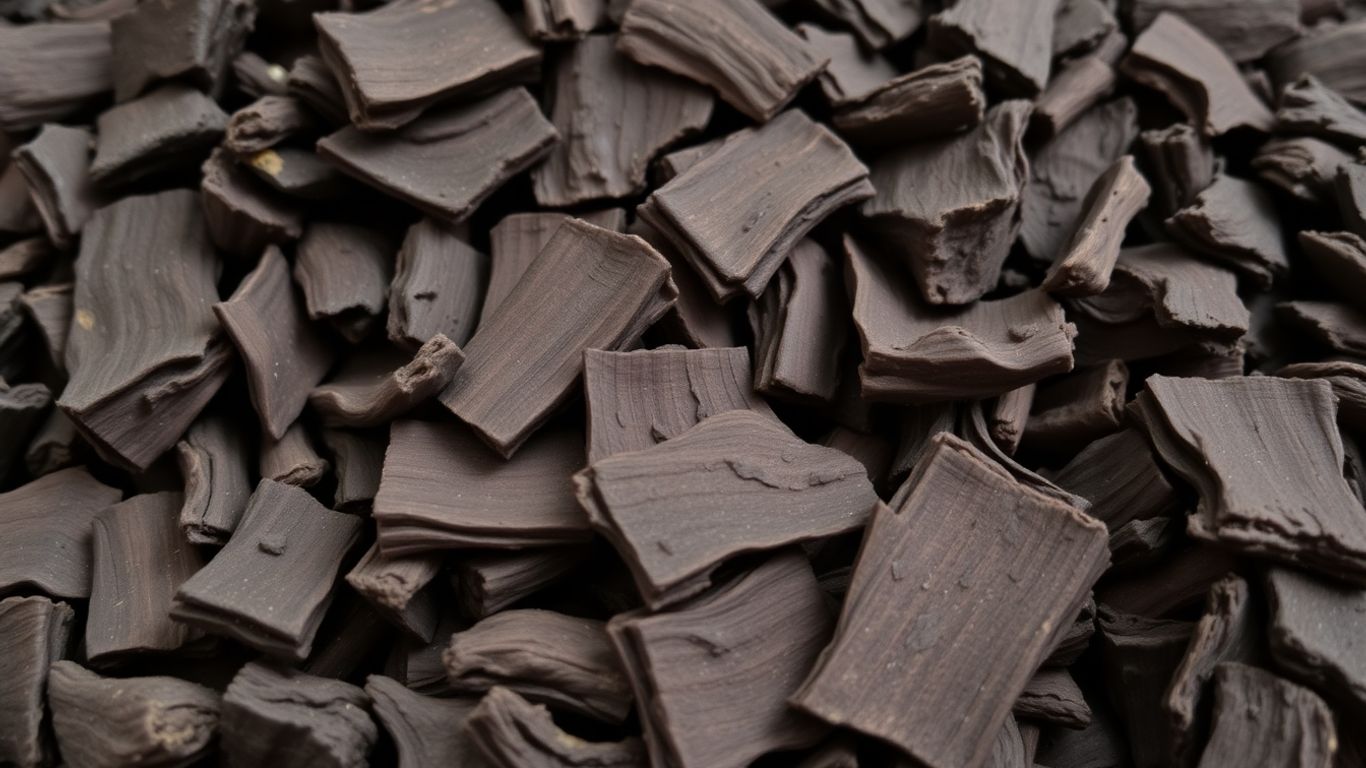
So, what exactly is this stuff called oud that we keep hearing about in fancy perfumes? Well, it all starts with a tree, specifically trees from the Aquilaria species. These trees aren't found in the Middle East, surprisingly, but grow in places like Southeast Asia and Northeast India. Now, a healthy Aquilaria tree on its own isn't anything special, but things get interesting when it gets injured. This could be from a bug, a fungus, or even just a physical wound. When this happens, the tree goes into defence mode. It starts producing a dark, sticky, incredibly fragrant resin to try and seal off the damage. This resin-soaked heartwood is what we know as agarwood, or oud. It's essentially the tree's way of healing itself, and in doing so, it creates one of the most sought-after natural ingredients on the planet.
The formation of oud: a rare and complex process
This whole process of oud formation is pretty wild, and honestly, quite unpredictable. It’s not like the tree just decides to make oud on demand. We're talking about a specific type of fungal infection that needs to take hold, and then the tree has to react by producing that special resin. It's a bit like a natural alchemy, and it can take years, even decades, for enough resin to build up to make the wood valuable. Because of this, only a tiny fraction of Aquilaria trees actually develop high-quality agarwood. It’s this rarity, this natural lottery, that really sets the stage for oud's high cost. You can't just plant a load of trees and expect a harvest; you're relying on nature's sometimes-capricious timing and conditions.
Oud's transformation into fragrant oil
Once we've got our hands on this precious agarwood, the journey isn't over. To get the actual oud oil that perfumers use, the wood needs to be processed. This usually involves hydro-distillation, which is a pretty labour-intensive method. The agarwood chips are often ground up and then boiled in water, with the steam carrying the fragrant oils being collected and condensed. It takes a significant amount of infected wood – we're talking kilograms – to produce just a small amount of pure oud oil. This extraction process itself requires skill and time, further adding to the expense. The resulting oil is incredibly potent, with a scent profile that's unlike anything else, which is why it's become such a prized ingredient in luxury perfumery.
The unique scent profile of oud
A symphony of woody, spicy, and leathery notes
When we talk about oud, we're really talking about a scent that's hard to pin down, and that's precisely what makes it so fascinating. It’s not just one smell; it’s more like a whole orchestra of aromas playing together. At its core, you'll find a deep, woody character, but it’s layered with so much more. We often pick up on spicy notes, sometimes a bit smoky, and then there’s this rich, leathery quality that gives it a real depth. It can even have hints of sweetness, almost like honey, or a slightly animalic edge that some people describe as a 'barnyard' note. Don't let that put you off, though; it's this complexity that makes oud so captivating and unlike anything else.
Variations in oud based on origin and age
Just like a fine wine or a vintage cheese, oud isn't a one-size-fits-all kind of thing. Where the agarwood comes from and how old it is makes a massive difference to the final scent. For instance, oud from India might smell sweeter and spicier, while oud from Cambodia could be more intense and leathery. The age of the wood is also a big factor. Older wood tends to produce a richer, more nuanced oil. It’s quite amazing how these natural variations create such distinct profiles.
Here's a rough idea of what you might expect:
- Indian Oud: Often sweeter, spicier, with a balsamic quality.
- Cambodian Oud: Typically more leathery, sometimes with a hint of fruitiness.
- Malaysian Oud: Can be woody and smooth, with a gentle smokiness.
- Thai Oud: Known for its rich, woody, and sometimes slightly medicinal notes.
The chemistry behind its captivating aroma
So, what's actually going on chemically to create this incredible smell? When the Aquilaria tree gets infected by a specific type of mould, it starts producing a dark, resinous substance as a defence. This resin is packed with complex aromatic compounds, including things like sesquiterpenes and chromones. It's this intricate mix, developed over years within the tree, that gives oud its signature scent. The exact chemical makeup varies depending on the tree species, the type of mould, and how long the resin has been forming, which explains why each batch of oud can smell slightly different. It’s a natural chemical marvel, really.
Oud's deep cultural and historical significance
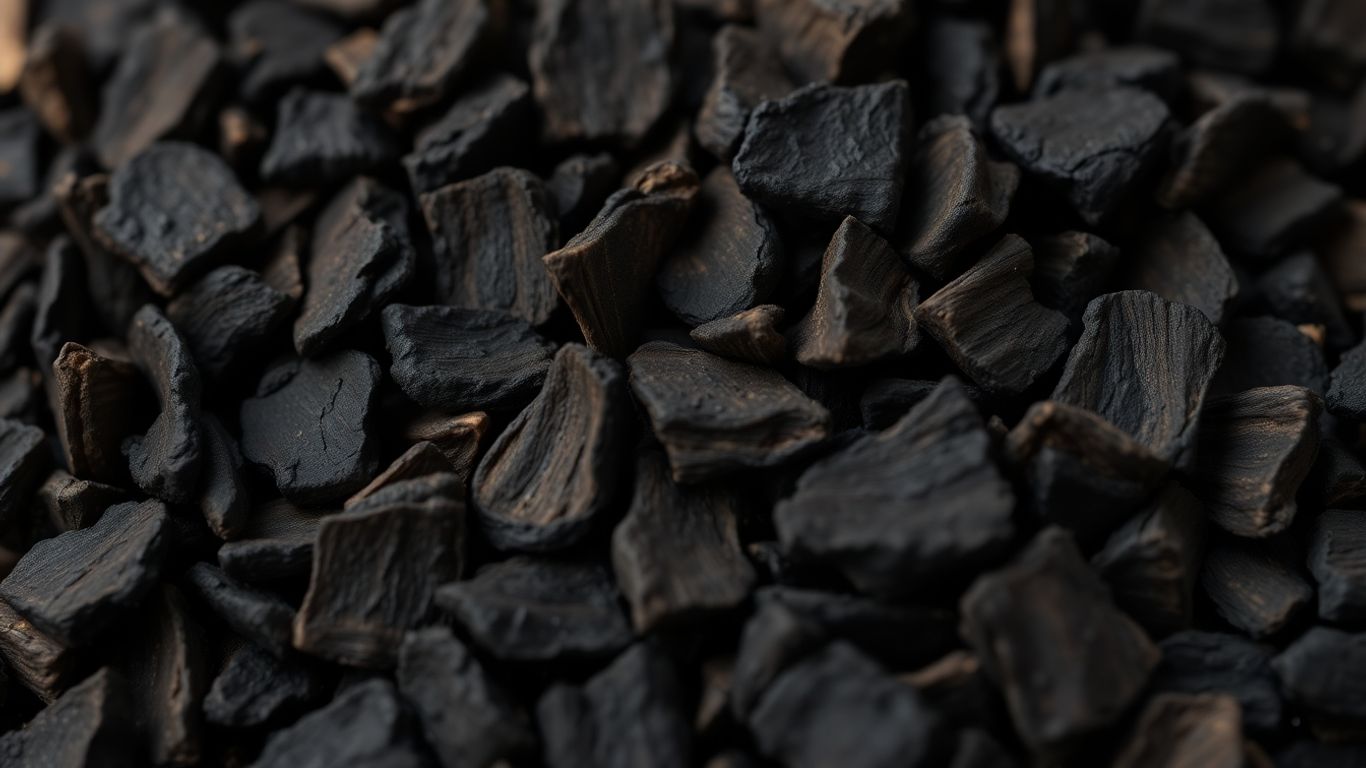
We've found that oud isn't just a scent; it's a thread woven through the fabric of many cultures, carrying stories and traditions for centuries. Its journey from the forests of Southeast Asia to the opulent palaces of the Middle East is quite something.
A cornerstone of Middle Eastern and Asian traditions
Across the Middle East, particularly in places like the Arabian Gulf, oud is practically synonymous with welcoming guests and marking special occasions. It's a common practice to offer visitors bakhoor, which is essentially incense made from oud chips. It’s a gesture that shows respect and makes people feel truly at home. We've also seen its importance in India, where it's been a part of Ayurvedic medicine and traditional perfumes for ages. Even in Japan, oud plays a role in the art of Koh-do, a formal incense ceremony where appreciating the subtle smells is almost a form of meditation. It really shows how oud is more than just a smell; it's part of daily life, celebrations, and even sacred moments.
Oud in spiritual practices and rituals
For many, the aroma of oud acts as a bridge between the earthly and the divine. Spiritual leaders have often spoken about how its scent can help quiet the mind, bringing a sense of inner peace and aiding in contemplation. It's thought to help people connect more deeply with their spiritual side, making it a valued part of devotion. We've heard it described as a fragrance that "opens the heart and stills the ego," which really captures its profound effect.
A symbol of hospitality and respect
Historically, oud was so rare that only royalty and the very wealthy could afford it. Kings and emperors would scent their clothes and palaces with it, a clear sign of their status and power. It was literally like liquid gold for the elite. Even today, oud continues this legacy. Gifting high-quality oud oil or perfume is seen as a generous act, a sign of deep respect, especially in many Middle Eastern societies. It's not just about smelling nice; it's a statement about tradition, discerning taste, and showing you value the recipient. It's akin to presenting someone with a precious antique – its history and rarity add immeasurable worth.
Oud's esteemed position in luxury perfumery
The ultimate symbol of sophistication and exclusivity
When we think about high-end perfumes, oud often comes to mind. It’s become this… well, this ultimate symbol of luxury, hasn't it? You see it on the labels of the most expensive bottles, and it just screams sophistication. It’s not just a scent; it’s a statement. For ages, it was something only royalty or the super-wealthy could get their hands on, and that history definitely adds to its mystique. Even now, seeing oud in a fragrance list often means you're looking at something pretty special, something that’s meant to stand out.
How perfumers masterfully incorporate oud
Perfumers, these clever scent artists, treat oud with a lot of respect. It’s usually a base note, which means it’s the foundation that lasts and lasts. The really cool thing is how versatile it is. Oud can blend with so many other smells. We’ve seen it paired with roses to make something really sensual and woody, or with spices for a warm, exotic feel. Sometimes it’s mixed with amber for an even deeper, richer scent. It’s like a chameleon, but a really fancy one.
Here’s a little look at how it’s often used:
- Base Note: Provides a long-lasting, deep foundation.
- Complexity Builder: Adds depth and character to lighter notes.
- Harmoniser: Blends well with florals, spices, and resins.
- Exotic Touch: Introduces a unique, often smoky or leathery nuance.
The quality of the oud used makes a massive difference. Just like with diamonds, there are different grades. The really old, resinous wood makes the most incredible oil, and perfumers save that for their most exclusive creations. It’s a bit like finding a rare gem and setting it in a crown.
Case studies of iconic oud fragrances
We’ve all heard of some of the big names, right? Brands like Tom Ford have made oud fragrances incredibly popular. Their "Oud Wood" is a classic, mixing oud with sandalwood and vetiver to create a smoky, sophisticated scent that people just love. Then there’s Amouage, a luxury house from Oman, which uses oud a lot, often with traditional Middle Eastern scents. These perfumes aren't just nice smells; they tell a story, evoking a sense of history and grandeur. It’s clear that when these brands use oud, they’re aiming for something truly memorable and luxurious.
The factors contributing to oud's exorbitant cost
The scarcity of naturally infected agarwood
So, why does oud cost so much? Well, it all starts with the tree itself. We're talking about the Aquilaria tree, and it's not just any tree. For oud to form, the tree needs to get infected, usually by a specific type of mould. This infection is like a wound to the tree, and its natural defence mechanism kicks in. It starts producing a dark, dense, resinous substance to try and contain the infection. This resin is what gives oud its incredible scent. The catch? This whole process is super rare. Only a small percentage of Aquilaria trees actually get infected naturally, and even then, not all infections produce the high-quality resin we're after. It’s a bit like finding a needle in a haystack, but the haystack is a forest, and the needle is a specific tree that’s been through a very particular ordeal.
The labour-intensive harvesting and extraction
Once we've managed to find these precious infected trees, the hard work really begins. Harvesting the agarwood is a delicate process. We have to carefully extract the resin-infused wood, making sure not to damage the valuable parts. Then comes the extraction of the oil itself. This is usually done through distillation, and it's a time-consuming and often low-yield process. We might start with a huge amount of agarwood, but we end up with only a tiny quantity of pure oud oil. Think about it: you could need several kilograms of infected wood to produce just a few millilitres of oil. It’s this painstaking effort, combined with the low yield, that really drives up the price. It’s not something you can just churn out quickly or easily.
The lengthy and unpredictable resin formation
And then there's the waiting game. The resin formation inside the Aquilaria tree doesn't happen overnight. It can take years, even decades, for the tree to produce a significant amount of high-quality resin. This means the supply is inherently limited and unpredictable. We can't just plant a tree and expect oud in a few years; nature has its own timeline, and it's a long one. This unpredictability, coupled with the sheer time involved, makes naturally formed oud incredibly scarce. It’s a product of patience, nature’s own slow magic, and a whole lot of luck.
The whole process, from the tree getting infected to the final oil being extracted, is a testament to nature's complexity and rarity. It’s not just about the scent; it’s about the journey and the natural circumstances that make it possible.
Here's a rough idea of the yield:
| Stage | Input Amount (Approx.) | Output Amount (Approx.) |
|---|---|---|
| Infected Agarwood | 10 kg | 100 ml (Oud Oil) |
| High-Grade Infected Wood | 5 kg | 10 ml (Oud Oil) |
| Extremely Rare Infected Wood | 1 kg | 2 ml (Oud Oil) |
Distinguishing authentic oud from imitations
So, we've talked about what oud is and why it costs an arm and a leg. Now, how do we actually know if we're getting the real deal? It can be a bit of a minefield out there, with so many products claiming to be oud. We need to be savvy shoppers, really.
Understanding the difference between pure oud and accords
First off, it's important to get our heads around the terms. Pure oud oil, the stuff we've been discussing, comes directly from agarwood and is incredibly rare and pricey. What you'll often find in many perfumes, even some high-end ones, is something called an "oud accord." This is basically a blend of different natural and synthetic ingredients that a perfumer creates to mimic the scent of oud. It's not the genuine article, but it can still smell lovely and is much more affordable. Think of it like a really good imitation leather versus the real thing – they might look similar, but they're fundamentally different.
Identifying genuine oud through scent and longevity
How can we tell the difference when we're smelling it? Well, genuine oud has a complexity that's hard to replicate. It's not just a single note; it's a whole journey on your skin. It tends to evolve over time, changing and deepening. And the longevity? It's usually fantastic. You can expect a high-quality oud fragrance to stick around for hours, sometimes even days. Synthetic accords, on the other hand, can sometimes smell a bit flatter, more one-dimensional, and they might not last quite as long. They can also sometimes have a sharper, less rounded aroma.
The importance of brand transparency and price point
This is a big one for us. If a brand is serious about using real oud, they'll usually be pretty open about it. They'll talk about where they source their agarwood from and how they extract the oil. You'll often see this kind of detail from niche perfumers or brands that specialise in Middle Eastern fragrances. And then there's the price. If a perfume is labelled as 'oud' and it's incredibly cheap, that's a massive red flag. We're talking hundreds, sometimes thousands, of pounds for pure oud oil. So, a bargain 'oud' perfume is almost certainly going to be an accord.
Here's a quick rundown to help us remember:
- Pure Oud: Extracted directly from agarwood. Very rare, complex scent, long-lasting, and expensive.
- Oud Accord: A blend of ingredients designed to smell like oud. More accessible, less complex, variable longevity, and more affordable.
- Transparency: Reputable brands will share their sourcing and methods.
- Price: Extremely low prices for 'oud' products are usually a sign it's not genuine.
When we're looking at oud, it's not just about the smell; it's about the story behind it. The rarity, the labour, the natural process – all these things contribute to its value. So, while an oud accord can be a beautiful fragrance, understanding the difference helps us appreciate the true luxury and artistry of genuine oud.
So, What's the Takeaway on Oud?
Well, we've certainly gone down the rabbit hole with oud, haven't we? It’s clear this isn't just some fancy perfume ingredient; it's a whole story. From the way it’s made, needing a bit of natural drama in the tree, to how it’s been used for centuries in different cultures for everything from welcoming guests to quiet reflection. It makes sense now why it costs so much – it’s rare, it takes ages to form, and getting it is a whole process. Plus, the way it smells, that deep, complex scent, is just something else. It really does feel like a bit of history and luxury all bottled up. So next time you catch a whiff of oud, you'll know there's a lot more to it than just a nice smell. It’s a piece of nature’s art, really.
Frequently Asked Questions
What exactly is oud, and where does it come from?
Basically, oud is a super fancy type of wood that comes from a specific tree called Aquilaria. When these trees get a bit damaged, like from a fungus or a scratch, they produce this really fragrant, dark, gooey stuff to protect themselves. We call this resinous wood 'agarwood', and it's what gives oud its amazing smell and makes it so special. It's like the tree's own special perfume!
Why does oud smell so unique and complex?
The smell of oud is like a whole orchestra of scents! It's usually really woody, but you can also get hints of spice, leather, and sometimes even a bit of sweetness or smokiness. The exact smell can change a lot depending on where the tree grew, how old the wood is, and how it was processed. It's this mix of deep, warm, and sometimes even a bit animalic notes that makes it so captivating and different from anything else.
Is oud really that expensive, and why is that the case?
Yep, oud is famously pricey, often called 'liquid gold'! The main reason is that it’s super rare. Only a small number of Aquilaria trees actually get infected and produce the good stuff. Plus, it takes ages for the resin to form, and getting it out of the wood is a really tough, hands-on job. All these factors combined make it one of the most expensive natural ingredients out there.
How do people use oud, especially in perfumes?
Oud is a star ingredient in fancy perfumes! Perfumers love it because it adds a really deep, long-lasting scent that makes fragrances feel sophisticated and luxurious. It's often used as a base note, giving the perfume its foundation. It can be mixed with all sorts of other smells, like flowers, spices, or amber, to create unique and memorable scents that people go crazy for.
Are there different kinds of oud, and how can we tell real oud apart from fakes?
There are definitely different grades and types of oud, just like with anything valuable! Real oud has a really complex smell that changes over time on your skin and lasts for ages. Cheaper imitations, often called 'oud accords', might smell similar at first but won't have that depth or staying power. Also, genuine oud usually comes with a higher price tag, so if something seems too cheap to be true, it probably is. It's always best to buy from trusted brands that are open about where their oud comes from.
Does oud have any cultural or spiritual importance?
Absolutely! Oud has been used for centuries in many cultures, especially in the Middle East and Asia. It's often burned as incense during religious ceremonies and meditation because its scent is thought to help people relax, focus, and feel more connected spiritually. It's also seen as a symbol of hospitality, respect, and luxury, often used to welcome guests or mark special occasions.