We've all come across scents that just stick with us, right? Some smells can take us back in time or make us feel a certain way, all from just a little whiff. But did you know some of the most amazing scents actually come from something found floating in the sea? We're talking about ambergris, this super rare and pricey stuff used in fancy perfumes. People call it 'floating gold' or 'sea treasure' and it's been sought after for ages by perfume makers and fancy folks. But what exactly is it? Why is it worth more than gold sometimes? And how does something from inside a whale end up being a symbol of luxury? Let's get into the weird and wonderful world of ambergris and find out what makes it so special.
Key Takeaways
- Ambergris is a waxy substance produced in the digestive system of sperm whales, initially smelling unpleasant but developing a unique, prized scent after years at sea.
- It's incredibly rare because only a small percentage of sperm whales produce it, and finding it washed ashore or floating is largely a matter of chance.
- In perfumery, ambergris acts as a natural fixative, helping fragrances last much longer on the skin and blending well with other scent notes.
- Its high cost is due to its rarity, the lengthy aging process that refines its scent, and the fact that it cannot be manufactured, making it more valuable than gold per gram in some cases.
- While natural ambergris is still used in some luxury perfumes, ethical and legal concerns about whale conservation have led to the widespread use of synthetic alternatives.
What is ambergris and why is it so expensive?
The mysterious origins of ambergris
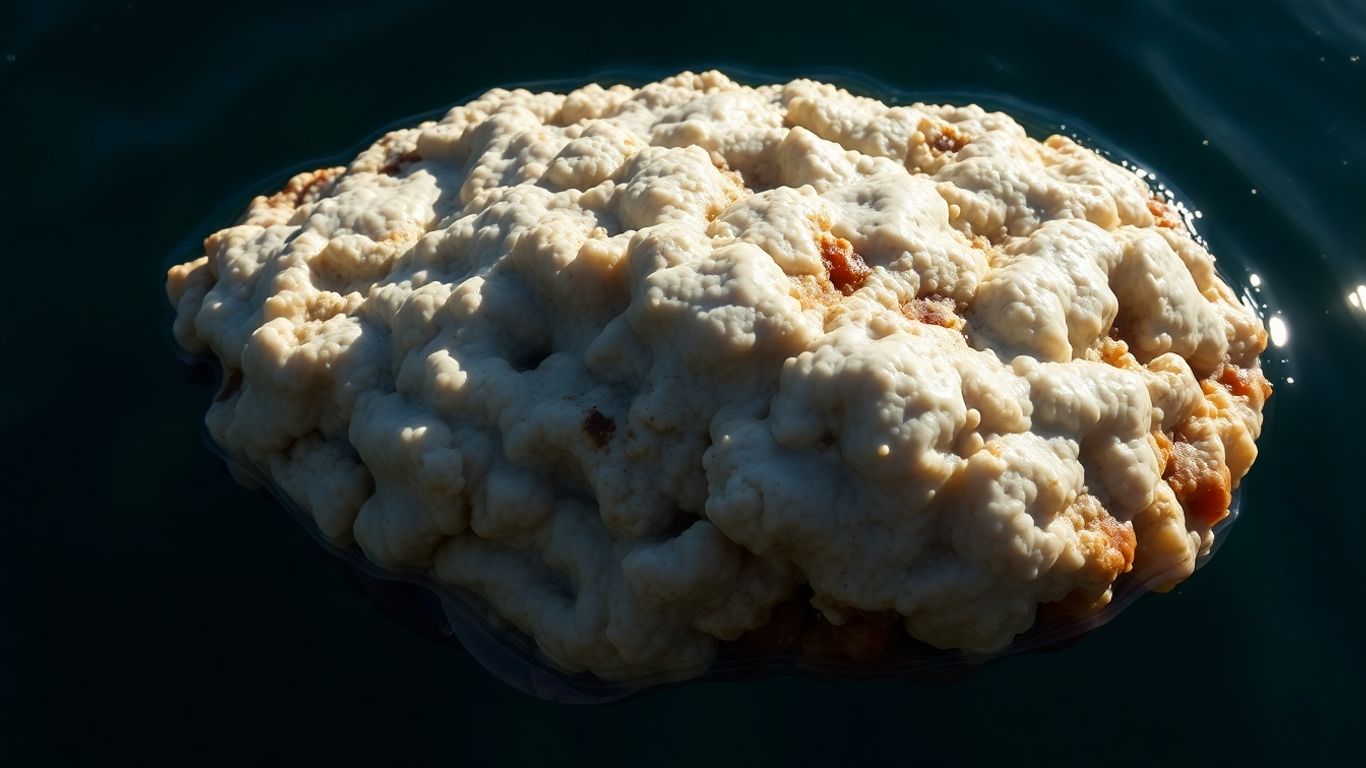
For ages, ambergris was a bit of a puzzle. People had all sorts of wild ideas about where it came from. Some thought it was dragon saliva, others imagined it grew on the seabed like a mushroom. Honestly, the stories were pretty wild, and it's easy to see why it was considered so special. Back in the 14th century, some folks even thought carrying a bit of it could ward off the plague! It wasn't until much later, around the 18th century, when large-scale whaling became a thing, that we started to get closer to the truth. Even then, it took a while for everyone to agree. It's only relatively recently that scientists have been able to confirm, by looking at the DNA in found pieces, that it really does come from sperm whales.
How ambergris is formed within sperm whales
So, how does this stuff actually get made inside a whale? Well, it's a bit of a messy process, to be honest. It starts in the whale's gut, likely as a way to deal with indigestible bits, like the hard beaks of squids they eat. Think of it as a sort of internal protective coating. This waxy substance, called ambergris, can build up over years. It's not something every sperm whale produces, either; estimates suggest only about one percent of them do. Eventually, this mass either gets expelled by the whale, or sadly, sometimes it's found in whales that have died. Once it's out in the ocean, it can float around for years and years before it ever washes up on a beach.
The transformation from unpleasant to prized scent
Here's the really strange part: when ambergris is first produced, it apparently smells pretty awful – sort of marine and fecal. Not exactly what you'd want in a perfume, right? But then, something magical happens. As it floats in the ocean and gets battered by the sun and saltwater, it changes. Over time, this unpleasant smell mellows out into something quite sweet and earthy, often compared to a refined alcohol scent, but without the harshness. The longer it floats and ages, the better it smells and the more valuable it becomes. This transformation is key to why it went from being a strange sea byproduct to something incredibly sought after by perfumers.
The unique properties of ambergris in perfumery
When we first started looking into ambergris, we were really struck by how it’s used in making perfumes. It’s not just another scent; it’s got these special qualities that perfumers have prized for ages. It’s pretty wild to think that something from a whale’s insides can end up smelling so good and making other smells last longer.
Ambergris as a natural fragrance fixative
One of the main reasons ambergris is so sought after in the perfume world is its incredible ability to act as a fixative. Basically, this means it helps a fragrance stick around on your skin for much, much longer. Think of it like this: when you spray a perfume, the lighter, more volatile notes evaporate quickly. Ambergris, though, seems to anchor those notes, slowing down their release and making the whole scent profile last for hours, sometimes even days. It’s this property that makes it so valuable for creating long-lasting, complex fragrances.
Enhancing and prolonging scent notes
Beyond just making scents last, ambergris also seems to subtly change and improve the other notes in a perfume. It doesn't overpower them; instead, it adds a certain depth and warmth. It can smooth out sharper edges and bring out the best in floral, woody, or even musky accords. The result is a more rounded, richer, and more sophisticated aroma. It’s this subtle magic that makes it such a unique ingredient. We've heard it described as adding a 'second skin' to a fragrance, which really captures how it integrates and lasts.
Historical use in luxury fragrances
Ambergris has a long and storied past in perfumery, often associated with royalty and the highest echelons of society. For centuries, it was a key component in the most exclusive and expensive perfumes. Imagine ancient Egyptians burning it as incense, or European aristocrats wearing it in pomanders to ward off bad smells and smell good. Even some of the most iconic modern perfumes, like Chanel No. 5 and Guerlain's Shalimar, are rumoured to have used ambergris in their original formulations, though it's much rarer now due to availability and ethical concerns. Its historical significance really adds to its mystique and allure.
The transformation of ambergris from its initial unpleasant state to a prized perfumery ingredient is quite remarkable. It's a testament to nature's ability to create something extraordinary from unexpected origins, a process that takes time, patience, and the right environmental conditions.
Here's a little look at what makes it so special:
- Longevity: It significantly extends the wear time of a perfume.
- Complexity: It adds a unique, warm, and slightly sweet, marine-like depth.
- Blending: It harmonises well with a wide range of other fragrance notes.
- Rarity: Its natural origin and difficulty in collection make it exceptionally scarce.
Why ambergris commands such a high price
So, we know what ambergris is and where it comes from, but why on earth is it so incredibly expensive? It's not just a bit pricey; we're talking about something that can genuinely be worth more than gold. Let's break down the main reasons why this whale secretion is treated like a precious gem.
The rarity of finding ambergris
First off, finding ambergris is like winning the lottery, but with more sea salt and less chance of a tan. It's not something you can just go out and harvest. Only a small percentage of sperm whales actually produce it, and even then, it's not guaranteed to end up on a beach where we can find it. Most of the ambergris we see has been floating around in the ocean for years, sometimes decades, before washing ashore. Think about it: a whale has to produce it, it has to be expelled, survive the harsh ocean environment for ages, and then miraculously land on a stretch of coast that someone happens to be walking along. It's a series of incredibly unlikely events.
The aging process and its impact on value
This is where things get really interesting. When ambergris is first expelled by the whale, it actually smells pretty awful – think of something unpleasant and faecal. Gross, right? But time and the ocean work their magic. As it bobs around in the sea, exposed to sunlight and saltwater, it undergoes a transformation. This aging process breaks down certain compounds and develops a complex, musky, and subtly sweet aroma that is highly sought after by perfumers. The longer it ages, the better it gets, and the more refined its scent becomes. So, a piece that's been floating for 50 years is going to be far more valuable than one that's only been at sea for five.
The journey from a foul-smelling lump to a prized perfume ingredient is a testament to nature's ability to transform the unappealing into the exquisite. It's a slow, natural alchemy that cannot be rushed or replicated.
Comparison to precious metals
When you consider the rarity and the lengthy, unpredictable aging process, it's easy to see why ambergris can fetch prices that rival, and sometimes even surpass, those of gold. We've heard tales of huge lumps being discovered, worth millions of pounds. For instance, back in 2016, a couple in the UK found a piece weighing about 1.57 kg that was estimated to be worth up to £50,000. Later that same year, a fisherman in Oman stumbled upon an enormous 80 kg chunk, which was reportedly valued at nearly £2.5 million! These aren't everyday occurrences, of course, but they highlight the potential astronomical value of a significant ambergris find. It's this combination of extreme scarcity and the unique, time-developed scent profile that makes ambergris the 'floating gold' it's often called.
Here's a rough idea of how prices can stack up:
| Material | Approximate Price per Gram (USD) |
|---|---|
| Gold | $60 - $70 |
| High-Quality Ambergris | $100 - $2,000+ |
Keep in mind that these ambergris prices can fluctuate wildly depending on the quality, age, and size of the piece found.
The ethical considerations surrounding ambergris
Concerns over whale conservation
When we think about ambergris, the first thing that often pops into our minds is its connection to sperm whales. For a long time, people hunted these magnificent creatures specifically for ambergris, alongside other valuable parts like oil. Thankfully, whaling is now banned pretty much everywhere, which is a huge relief for whale populations. However, there's always a bit of a worry that some countries might push for whaling again, perhaps under the guise of 'population management'. We really need to be mindful of that. The protection of whales is paramount, and we must ensure they aren't viewed as a resource to be exploited.
Ambergris as a natural byproduct
It's important to remember that ambergris isn't something taken from a whale in a harmful way. It's actually a natural substance that sperm whales produce, kind of like a digestive byproduct. It's expelled by the whale and then floats around in the ocean for years before washing up on shore. This means that collecting ambergris, when done responsibly, doesn't actually harm the whales themselves. It’s quite different from other animal-derived ingredients used in perfumes that might involve direct harm.
Legal regulations on trade and collection
The rules around ambergris can be a bit of a maze, varying quite a bit from place to place. In some countries, any product from whales is completely banned. But in others, it's either perfectly legal to collect and trade, or it sits in a bit of a grey area. For instance, in the UK and Europe, all whale species are legally protected. Yet, international agreements like CITES actually classify ambergris as a natural waste product, making beachcombing for it perfectly acceptable. It’s a bit confusing, isn't it?
Here's a quick rundown of how things generally stand:
- Protected Species: All living whale, dolphin, and porpoise species are protected by law in the UK and Europe.
- CITES Classification: Ambergris is considered a natural byproduct, not a product of hunting.
- Collection: Finding ambergris washed up on beaches or floating in the sea is generally permitted where trade is legal.
The ongoing debate highlights the need for clear guidelines and a continued focus on whale welfare. While ambergris itself doesn't necessitate harming whales, the historical context and potential for future exploitation mean we must remain vigilant.
The search for ambergris today
Where ambergris is typically found
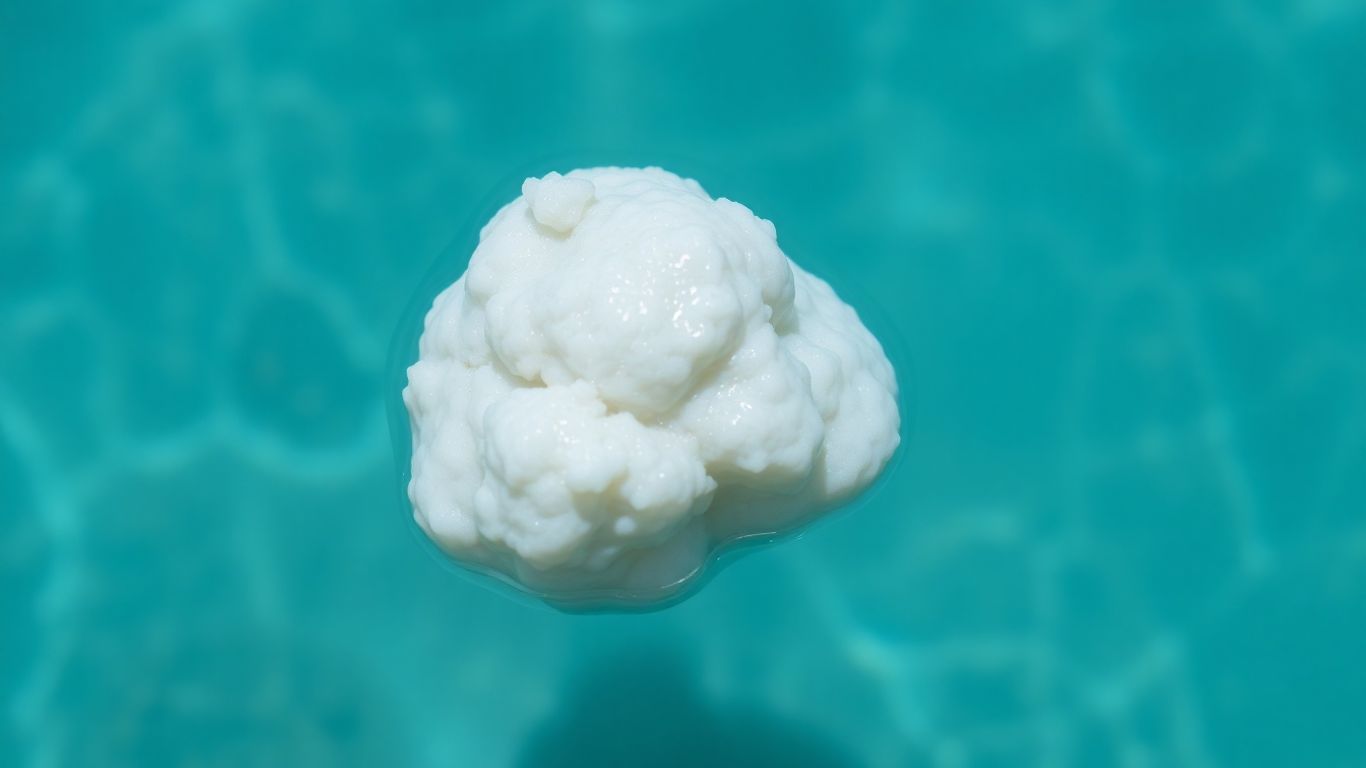
Even though sperm whales are found in oceans all over the world, ambergris tends to wash up in specific spots. We often see it mentioned along coastlines in places like the Bahamas, South Africa, Brazil, and Madagascar. It's also been found in the East Indies, the Maldives, and even as far as China and Japan. It seems like the Atlantic Ocean is a bit of a hotspot for it, especially around the Bahamas. It’s quite a global treasure hunt, really.
The role of synthetic alternatives
Because finding real ambergris is so tricky and, let's be honest, a bit of a lottery, the perfume industry has largely moved on to synthetic versions. The main compound in ambergris, called ambrein, can be made in a lab. This has been happening since the 1930s. While these synthetic alternatives are much easier to get and more affordable, some perfumers still reckon they don't quite capture the full, complex scent of the real thing. It’s a bit like comparing a photocopy to an original painting, I suppose.
Remarkable discoveries of large ambergris pieces
Every now and then, we hear about some truly astonishing finds that remind us just how valuable ambergris can be. Imagine walking along a beach and stumbling upon a massive lump of this stuff! Back in 2016, a couple in the UK found a piece weighing about 1.5 kilograms, which was worth a small fortune. But the real showstopper was a fisherman in Oman who, later that same year, discovered an absolutely enormous piece weighing 80 kilograms. That find was reportedly worth nearly £2.5 million! It just goes to show, you never know what treasures the ocean might bring ashore.
The allure of ambergris persists, even with modern alternatives. Its rarity and the sheer chance involved in finding it make each discovery feel like unearthing a genuine piece of oceanic history. It’s a substance that connects us to the deep sea and the magnificent creatures that inhabit it.
So, What's the Takeaway?
Well, there you have it. Ambergris, this strange waxy stuff from a whale's insides, has this incredible journey from a rather unpleasant smell to a prized perfume ingredient. It’s rare, it’s pricey, and honestly, it’s a bit of a mystery how it all works. While we’ve got synthetic versions now, which is probably for the best given the ethical side of things, there’s still something fascinating about this natural wonder. It just goes to show, sometimes the most unexpected things from nature can end up being the most luxurious. Makes you wonder what other secrets the ocean is hiding, doesn't it?
Frequently Asked Questions
What exactly is ambergris, and where does it come from?
Basically, ambergris is a waxy substance that develops inside the tummies of sperm whales. Think of it as a sort of protective shield that forms when the whale eats things with sharp bits, like squid beaks. When it eventually comes out of the whale, it floats around in the ocean for ages, and that's when it changes into something quite special.
Why do people say it smells nice if it comes from a whale?
When it's fresh, it actually smells pretty bad – a bit like poo! But after years of floating in the sea, getting sun-baked and salty, it transforms. The smell becomes a deep, musky, and slightly sweet aroma that perfumers absolutely adore. It's like magic how it changes from yucky to yummy smelling!
How do we get ambergris, and is it hard to find?
Finding ambergris is super rare! It usually washes up on beaches after floating in the ocean for a long time. Sometimes people find it floating in the sea, or even inside dead whales. It's a bit like a treasure hunt, and you have to be really lucky to stumble upon a piece.
Why is ambergris so incredibly expensive?
It's a combination of things. Firstly, it's incredibly rare because only a small percentage of sperm whales produce it, and finding it is down to pure chance. Secondly, the longer it's aged in the sea, the more valuable it becomes. Some pieces can be worth more than gold per gram!
Are whales harmed to get ambergris?
The good news is, no! We don't need to harm whales to get ambergris. It's a natural byproduct that the whales expel. While whales were hunted in the past for various reasons, including ambergris, they are now protected. Most ambergris collected today is found washed up on shores.
Can we make ambergris in a lab?
Scientists have managed to create synthetic versions of the key scent compound found in ambergris. This means that many modern perfumes use these lab-made alternatives instead of the real thing. It's a way to get that special scent without relying on the rare natural ingredient, and it's much more common now.