We've all probably walked past those big perfume counters, right? They've got the flashy ads and the familiar names. But what if I told you there's a whole other world of scents out there, something a bit more special and, well, *us*? We're talking about niche perfumes. They're not the ones you see everywhere; they're more like hidden gems for people who really love fragrance and want something unique. Let's figure out what makes them so different.
Key Takeaways
- Niche perfumes are scents made by smaller, independent houses, focusing on unique creations rather than mass appeal. They're a bit like the indie music scene of the fragrance world.
- These fragrances often use really special, sometimes rare, ingredients. Think unusual woods, exotic flowers, or natural resins that you won't find in everyday perfumes.
- Unlike designer scents made for everyone, niche perfumes are about artistic expression. The perfumer's vision and creativity come first, not just what's trendy.
- You won't find niche perfumes just anywhere. They're usually sold in select shops or online, which adds to their exclusive feel and makes them a choice for those seeking individuality.
- Choosing a niche perfume is a personal journey. It's about finding a scent that truly speaks to you, matches your style, and makes you feel unique, rather than just following a brand.
What are niche perfumes?
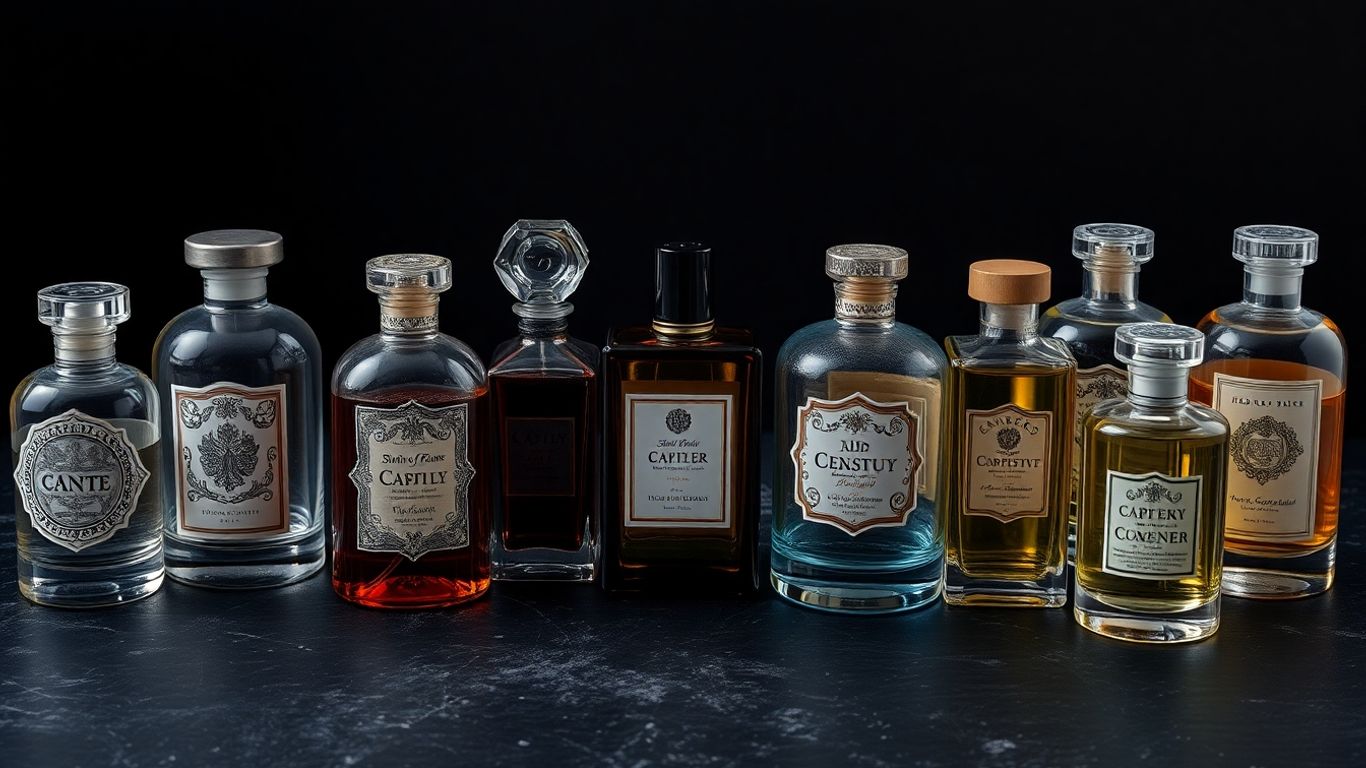
Right, so we're talking about niche perfumes today, and honestly, it feels like stepping into a secret club. Forget those scents you smell everywhere, the ones plastered on every bus stop and magazine cover. Niche perfumes are a whole different ballgame. They’re not about pleasing the masses; they’re about creating something truly special, something that feels personal.
Beyond the mainstream appeal
Think about it – how often do you meet someone wearing the exact same perfume? With mainstream brands, it happens all the time, doesn't it? Niche fragrances, though, are different. They’re made in smaller batches, often by independent perfumers who are more interested in artistic expression than shifting millions of bottles. This focus on exclusivity means you're unlikely to bump into someone else wearing your signature scent. It’s about having a fragrance that’s uniquely yours, a subtle statement that doesn’t shout for attention.
An artistic olfactory journey
For us, getting into niche perfumery is like going on a treasure hunt for smells. It’s not just about smelling nice; it’s about experiencing a scent that tells a story. These perfumers are like artists, using rare and sometimes unexpected ingredients to create compositions that are complex and intriguing. They aren't bound by what's currently trending or what a marketing department thinks will sell. Instead, they focus on the craft, on building a scent that has depth and character. It’s a journey for your nose, exploring notes you might never have encountered before.
A focus on the essence of fragrance
What really sets niche perfumes apart is their dedication to the fragrance itself. You won't find flashy celebrity endorsements or over-the-top packaging here. The emphasis is on the juice inside the bottle. Perfumers in this world are often given a lot of creative freedom, allowing them to experiment with high-quality, sometimes unusual, raw materials. This means you get scents that are more complex, more nuanced, and often, more natural-smelling than their mass-market counterparts. It’s about appreciating the pure art of perfumery, stripped back to its core.
The defining characteristics of niche fragrances
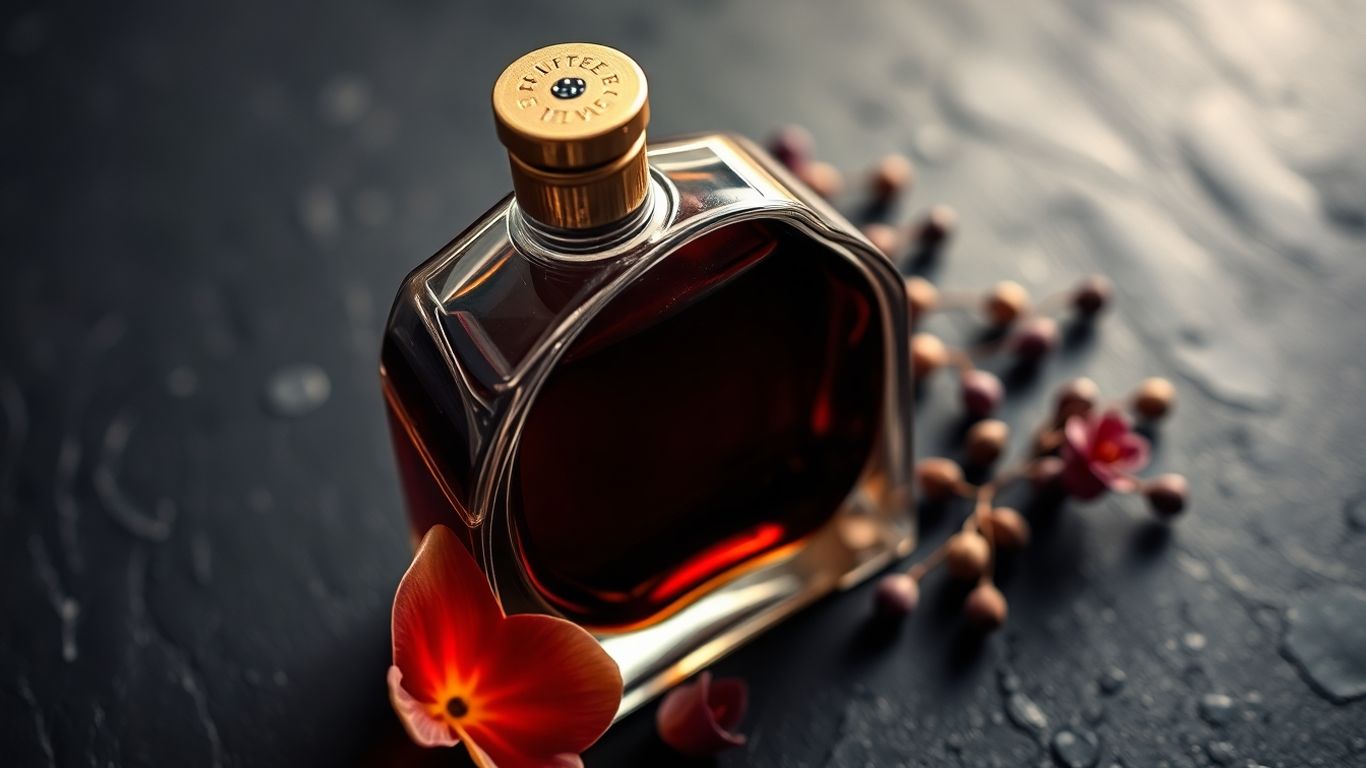
So, what actually sets these niche perfumes apart from the ones you see everywhere? Well, for starters, they're not really trying to be for everyone. That's a big clue right there.
Exclusive creations and limited distribution
One of the main things we've noticed is that niche perfumes aren't usually found on every high street or in every big department store. They tend to be made by smaller perfume houses, and they don't churn out millions of bottles. This means you're less likely to bump into someone wearing the exact same scent as you. It’s all about that exclusivity, you know? You often have to seek them out, maybe in specialist boutiques or directly from the brand's website. It makes finding one feel a bit like a treasure hunt, and honestly, that's part of the appeal for us.
Artistic expression over commercial trends
Unlike the big designer brands that often follow what's popular right now, niche perfumers are usually more interested in telling a story or exploring a specific idea through scent. They're not as worried about pleasing the masses or fitting into a certain market. This creative freedom means they can be a lot bolder and more experimental with their ingredients and combinations. We think this is where the real magic happens – when scent becomes pure art. It’s less about what’s trendy and more about the perfumer's unique vision.
A targeted audience seeking individuality
Because of all this, niche perfumes tend to attract people who are looking for something a bit different. They're for those of us who want our fragrance to be a personal statement, something that reflects our own style rather than just following the crowd. It’s about finding a scent that feels uniquely you. You'll often find that these fragrances aren't strictly labelled as 'for men' or 'for women' either, which we quite like. The focus is really on the individual wearing it and how the scent makes them feel.
Exploring the unique ingredients within niche scents
When we talk about niche perfumes, we're really talking about the ingredients. It’s where the magic happens, moving beyond the usual suspects you find everywhere. Think of it as a chef using the freshest, most unusual produce for a special dish, rather than just the standard supermarket fare.
Rare and exotic woods
These aren't your everyday pine or oak. Niche perfumers often seek out treasures like oud (agarwood), which has this deep, smoky, almost leathery scent that’s incredibly complex. Then there's sandalwood, not the synthetic stuff, but the real deal, creamy and warm, or cedarwood with its dry, pencil-shaving aroma. These woods form the backbone of many niche fragrances, giving them a lasting presence and a sophisticated feel.
Natural resins and floral extractions
Resins like frankincense and myrrh have been used for centuries, and they bring this ancient, spiritual, almost balsamic quality to a scent. They add a certain gravitas. And flowers? Niche houses don't just use standard rose or jasmine essence. They might use techniques like enfleurage, a traditional method that captures the delicate scent of flowers pressed into fat, or create tinctures, resulting in a floral note that smells astonishingly true to life, like walking through a garden after rain.
Unconventional fruits and indigenous botanicals
Forget your standard apple or berry. Niche perfumery might surprise you with notes of quince, a fuzzy fruit with a unique tartness, or fig, which can be green and milky or sweet and jammy. They also look to botanicals from specific regions, using things like copal from Mexico or elemi from the Philippines. These ingredients aren't just about smell; they tell a story of a place, a culture, a tradition. It’s like wearing a memory or a journey.
The real difference often lies in the sourcing and the sheer audacity of the combinations. Niche perfumers aren't afraid to experiment, using ingredients that might seem odd together but create something entirely new and captivating on the skin.
Here's a little look at some of the less common players:
- Oud (Agarwood): Deep, woody, smoky, often with leathery or animalic facets.
- Saffron: A spicy, leathery, slightly sweet aroma that adds a luxurious touch.
- Cardamom: Warm, aromatic, with hints of citrus and mint.
- Quince: Tart, slightly floral, and subtly sweet.
- Copal: A resin with a balsamic, slightly citrusy, and woody scent.
- Ambergris: A rare, waxy substance from sperm whales, offering a salty, marine, and slightly sweet complexity (often recreated synthetically now for ethical reasons).
It’s this willingness to explore the less-travelled paths of the ingredient world that makes niche perfumes so exciting and, frankly, so wearable for those of us who want something a bit different.
Why niche perfumes stand out from designer options
When we're looking for a new scent, it's easy to get drawn to the big names we see everywhere. Designer perfumes are familiar, often tied to celebrities or fashion houses we recognise. But if we're after something a bit more special, something that feels truly us, we tend to look beyond that. Niche perfumes just operate on a different level, and here’s how we see it.
Rarity and exclusivity
One of the biggest draws for us is that niche perfumes aren't churned out in the millions. They're made in smaller batches, often by independent perfumers or smaller houses who are really passionate about their craft. This means when you wear a niche scent, you're not likely to bump into five other people wearing the exact same thing at a party. It’s that feeling of wearing something a bit more personal, a bit more secret.
Superior quality ingredients
We've noticed that niche brands tend to go all out on the ingredients. While designer fragrances might use synthetic versions or dilute certain precious oils to keep costs down, niche perfumers often seek out the rarest, most natural, and highest quality materials they can find. Think of things like real oudh, exotic flowers, or aged resins. This focus on quality really comes through in the scent itself – it smells richer, more complex, and often lasts a lot longer on the skin.
Unique compositions and stronger concentrations
This is where things get really interesting for us. Niche perfumers aren't usually trying to please the widest possible audience. They're artists, experimenting with scent combinations that you just wouldn't find in a mainstream department store. We're talking about unexpected pairings, like rose with leather, or gourmand notes mixed with smoky woods. Plus, many niche fragrances come in higher concentrations, like Eau de Parfum or even Extrait de Parfum, meaning they have more 'juice' and therefore stick around for much longer. It’s a different experience altogether.
Here's a quick look at some of the differences we've observed:
| Feature | Designer Perfumes | Niche Perfumes |
|---|---|---|
| Availability | Widely available | Limited, selective distribution |
| Ingredients | Often synthetic/diluted | Natural, rare, high quality |
| Composition | Follows trends | Artistic, experimental, unique |
| Concentration/Longevity | Moderate (EDT/EDP) | Often higher (EDP/Extrait), longer |
For us, the appeal of niche perfumes lies in their dedication to artistry and individuality. They offer a chance to wear a scent that tells a story, uses exceptional materials, and feels like a genuine personal statement, rather than just a popular accessory.
How to select your signature niche perfume
Finding that one special scent, your signature niche perfume, can feel a bit like a treasure hunt. It’s not about grabbing the first bottle you see; it’s a personal quest to find something that truly speaks to you. We’ve all been there, sniffing endless strips in a shop, trying to make sense of it all. But don't worry, we can break it down.
Understanding your personal preferences
Before you even think about specific brands or notes, take a moment to consider what you generally like. Do you lean towards fresh, clean scents, or do you prefer something richer and more complex? Think about the smells you enjoy in everyday life – the scent of rain on hot pavement, freshly cut grass, a favourite spice in the kitchen, or perhaps the comforting aroma of old books. These everyday preferences can be a great starting point. Are you drawn to florals, woods, spices, or maybe something completely unexpected like leather or smoke? Your signature scent should feel like an extension of yourself.
Testing fragrances and considering the season
This is where the real fun begins, but also where patience is key. It’s really important to test perfumes on your skin, not just on paper. Our body chemistry can change how a fragrance smells, sometimes quite dramatically. Try to get samples if you can; this lets you wear the scent for a full day, seeing how it develops and lasts. Also, think about the time of year. Lighter, zesty scents often feel perfect for warmer months, while deeper, spicier, or more resinous fragrances can be wonderful for autumn and winter. It’s about finding a scent that feels right for the moment.
Matching the scent to your personality
Your perfume is like a silent introduction, a way to express who you are without saying a word. So, how do you match a scent to your personality? Well, if you're someone who loves to be the centre of attention, perhaps a bold, statement-making fragrance with strong notes like oudh or intense spices would suit you. If you’re more introverted and appreciate quiet elegance, a subtle, sophisticated scent with delicate florals or soft woods might be more your style. It’s about finding a fragrance that complements your natural aura and makes you feel confident and authentic.
Ultimately, choosing a niche perfume is a very personal journey. It’s about connecting with a scent on an emotional level, finding something that tells your story and makes you feel uniquely you. Don't be afraid to experiment and trust your nose – it knows more than you think!
The growing allure of niche perfumery
It feels like only yesterday that niche perfumes were this little secret whispered among fragrance enthusiasts. Now, though? They’re everywhere, and honestly, we're here for it. There's a definite shift happening, a move away from the same old scents you smell on everyone and a real craving for something that feels more us. It’s like we’ve all collectively decided that our personal scent should be as unique as our fingerprints, and niche perfumery is answering that call.
A shift towards personal expression
We're seeing a big change in how people think about perfume. It's not just about smelling nice anymore; it's about telling a story, about wearing something that reflects who we are. Mainstream brands often play it safe, trying to appeal to the widest possible audience. Niche houses, on the other hand, are all about individuality. They’re not afraid to be bold, to use unusual ingredients, or to create scents that might not be for everyone. This focus on personal expression is really what’s driving the popularity of niche fragrances. It’s about finding that one scent that just clicks, that feels like an extension of your own personality.
The rise of artisanal and independent brands
Part of the excitement around niche perfumes comes from the sheer number of smaller, independent brands popping up. These aren't huge corporations; they're often run by passionate individuals or small teams who are genuinely obsessed with scent. They pour their hearts into creating something special, often using traditional methods and focusing on quality over quantity. You can really feel that artisanal touch. It’s a refreshing change from the mass-produced options, and it means there’s always something new and exciting to discover. We’re seeing brands that are really pushing boundaries, experimenting with notes we’d never expect, and it’s making the whole perfume world feel so much more vibrant.
Niche perfumes as a luxury trend
Let’s be honest, niche perfumes have definitely entered the luxury space. They’re not just about the scent itself, but the whole experience. The beautiful, often minimalist packaging, the exclusivity, the story behind the fragrance – it all adds up. It’s become a way for people to treat themselves, to invest in something that feels special and sophisticated. Think of it like choosing a piece of art or a designer handbag; it’s a statement. While they can be pricier, we find that the quality and longevity often justify the cost. You’re not just buying a scent; you’re buying a piece of olfactory art that lasts. It’s a trend that feels less about fleeting fashion and more about enduring personal style.
So, What's the Takeaway?
Honestly, exploring the world of niche perfumes has been a real eye-opener. It’s so much more than just finding a nice smell; it’s about discovering something that feels genuinely you. We’ve seen how these unique scents, made with such care and often unusual ingredients, offer a way to express ourselves that the big, mainstream brands just don't quite capture. It’s like finding a hidden gem, a little piece of art you can wear. If you’ve been curious, we reckon it’s definitely worth taking the plunge and trying a few out. You might just find your next signature scent that nobody else has.
Frequently Asked Questions
So, what exactly is a niche perfume?
Basically, niche perfumes are like the indie bands of the fragrance world. They're made by smaller perfume houses that aren't trying to be on every shelf. Instead, they focus on creating really unique and artistic scents, often using special ingredients that you won't find in the big-name brands you see everywhere. It's all about being different and expressing yourself through scent.
Why do niche perfumes cost more than regular ones?
We find that niche perfumes often use super rare or high-quality ingredients, and they're made in smaller batches. Think of it like handmade jewellery versus something mass-produced. You're paying for the craftsmanship, the unique ingredients, and the fact that not everyone will have the same scent. Plus, they usually last way longer on your skin!
Are niche perfumes really that different from designer ones?
Oh, totally! Designer perfumes are usually made to appeal to lots of people and follow trends. Niche perfumes, though, are more like art pieces. They're made to be distinctive, often using unexpected combinations of smells. We love that they don't always stick to typical 'man' or 'woman' scents either; they're more about the individual wearing them.
How do we find a niche perfume that's right for us?
It's a bit of an adventure! We suggest starting by thinking about what kinds of smells you already like – maybe fresh, woody, or floral? Then, try to get some samples if you can, because perfumes smell different on everyone's skin. Don't be afraid to try something a bit unusual; that's part of the fun!
Do niche perfumes actually last longer?
Generally, yes! A lot of niche perfumes are made with higher concentrations of the actual fragrance oil, which means they tend to stick around for much longer than the everyday sprays. We've noticed they can last through a whole day, sometimes even longer, which is pretty amazing.
Where can we even buy these niche perfumes?
That's part of what makes them special! You usually won't find them in big department stores. We look for them in smaller, independent perfume shops, sometimes online directly from the brands, or at speciality boutiques. It makes finding one feel like discovering a hidden treasure.