Ever sniffed a perfume and wondered, 'How on earth do they make that?' We get it. It seems like pure magic, right? Well, we've been digging into it, and it turns out it's a bit of both art and science. It's not just chucking flowers in a pot; there's a whole process to how perfumes are made, from the very first idea to the bottle you spray. We thought we'd share what we've learned about this fascinating world.
Key Takeaways
- The journey starts with an idea, a memory, or a feeling that the perfumer wants to capture in a scent.
- Perfumers use a mix of natural essential oils from plants and flowers, alongside synthetic aroma compounds created in labs.
- Fragrances are built in layers: light top notes, a more prominent middle (heart) section, and a deep, lasting base note.
- Getting the scent right involves lots of careful mixing, smelling, and tweaking over and over again.
- After blending, perfumes need time to 'mature' or 'rest' so all the ingredients can properly combine and settle into their final aroma.
The inspiration behind a signature scent
Conceptualising the olfactory vision
So, where does a perfume even begin? It’s not just about grabbing some flowers and hoping for the best, believe me. For us, it often starts with a feeling, a memory, or even a place. We might be thinking about a walk through a damp forest after rain, or the warmth of a sun-drenched market square. This initial spark is what we try to capture in a bottle. It’s about translating an abstract idea into something you can actually smell. We spend a lot of time just thinking, sketching out scent profiles, and imagining what that feeling would smell like if it were a fragrance. It’s a bit like a painter deciding on their colour palette before starting a canvas.
Drawing from memories and emotions
We all have scents that transport us, right? A whiff of freshly baked bread might remind you of your grandmother’s kitchen, or a certain flower could bring back memories of a holiday. Perfumers tap into this. We think about what emotions we want a fragrance to evoke. Do we want it to feel comforting and safe, or bold and adventurous? We might recall a specific moment – perhaps the scent of old books in a library, or the salty air by the sea – and try to recreate that olfactory experience. It’s about creating a scent that connects with people on a deeper level, something that feels personal even if they’ve never experienced that exact memory themselves.
Defining the desired aromatic profile
Once we have that initial idea, we start to get more specific. We think about the different scent families – floral, woody, oriental, fresh – and where our idea fits. Is it going to be light and airy, or rich and heavy? We’ll jot down lists of potential ingredients that fit the mood. For example, if we’re aiming for a cosy, autumnal scent, we might think about spices like cinnamon and clove, perhaps some warm woods like sandalwood, and maybe a touch of something sweet like vanilla or tonka bean. It’s about building a rough sketch of the scent, deciding on the main characters before we start mixing.
| Scent Family | Potential Moods | Example Ingredients |
|---|---|---|
| Floral | Romantic, fresh, elegant | Rose, Jasmine, Lily of the Valley |
| Woody | Grounded, sophisticated, warm | Cedarwood, Sandalwood, Patchouli |
| Oriental | Exotic, sensual, rich | Vanilla, Amber, Spices |
| Fresh | Clean, invigorating, light | Citrus, Mint, Aquatic notes |
Sourcing the building blocks of fragrance
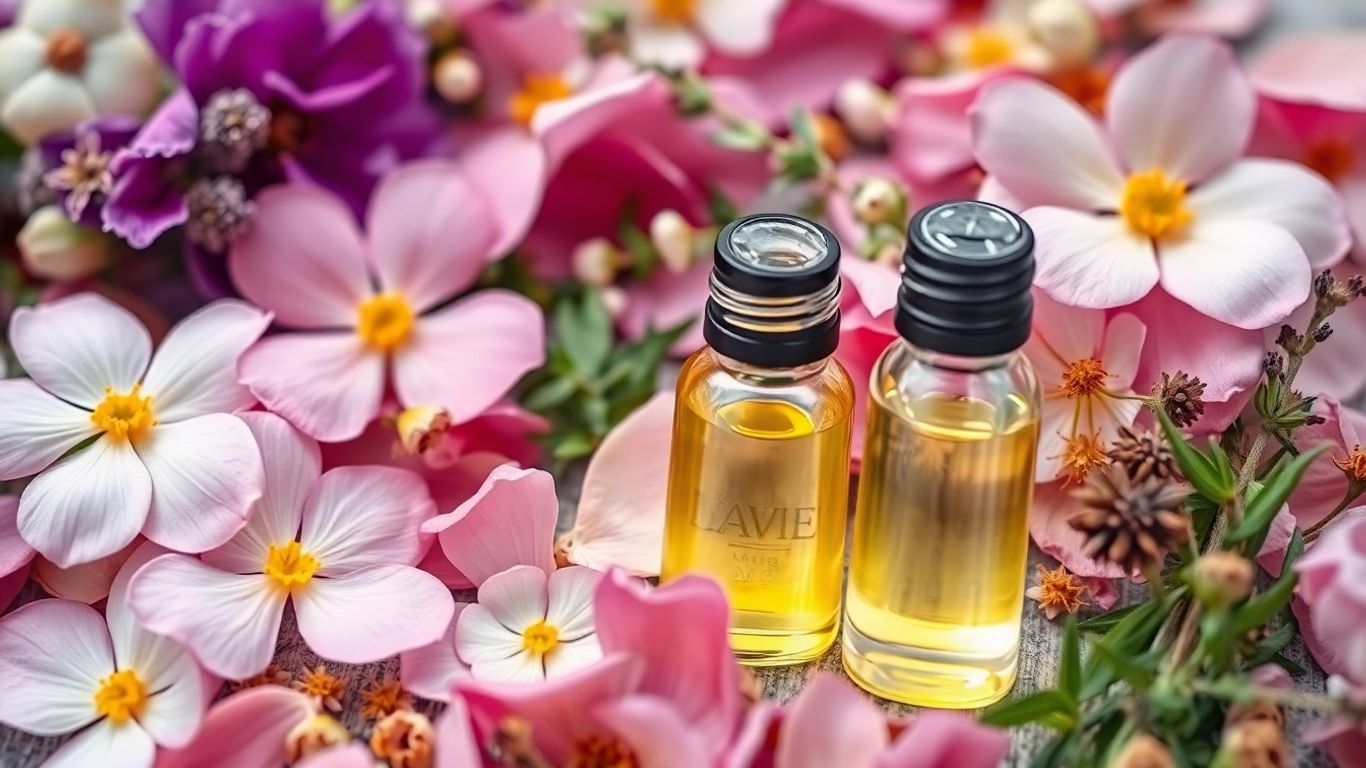
Before we can even think about blending, we need to gather our ingredients. This is where the real adventure begins, hunting down the finest materials nature and science have to offer. It’s not just about grabbing anything that smells nice; we’re looking for quality, purity, and sometimes, a bit of rarity.
Exploring natural essential oils
These are the heartbeats of many perfumes, extracted directly from plants. Think of the bright zestiness of bergamot from Calabria, the deep, velvety richness of Bulgarian rose, or the grounding, smoky aroma of Haitian vetiver. We get these by carefully processing flowers, leaves, roots, and fruits. Each oil has its own character, shaped by where it grew and how it was harvested. It’s amazing how a single drop can carry the essence of a whole landscape.
Understanding synthetic aroma compounds
Not everything in a perfume comes from a plant. Sometimes, we need to create molecules in a lab. These aren't just cheap copies; synthetic compounds can offer scents that don't exist in nature, like a clean, metallic note, or they can help stabilise and amplify natural ingredients. They also give us consistency, meaning a particular scent note will smell the same every time, regardless of the season or harvest.
The role of solvents and fixatives
Once we have our aromatic ingredients, we need a way to make them wearable. This is where solvents come in, usually a type of alcohol like ethanol. It helps to dilute the concentrated fragrance oils and allows them to evaporate from the skin, releasing the scent. Then there are fixatives. These are special ingredients that don't evaporate quickly. They act like anchors, slowing down the evaporation of other, more volatile notes, making the perfume last longer on your skin. Without them, your beautiful scent might disappear in a flash!
The quality of the raw materials we select directly impacts the final fragrance. It's a bit like cooking; you can't make a gourmet meal with subpar ingredients. We work with trusted suppliers who understand the importance of purity and potency, whether it's a natural oil or a carefully crafted synthetic molecule.
The art of perfume composition
Balancing top, middle, and base notes
So, we've got our ingredients, right? Now comes the really fun part: actually putting them together. Think of it like composing a piece of music. You can't just throw all the instruments in at once and expect a symphony. Perfume works in a similar way, with different notes that appear at different times. We call these top, middle, and base notes.
- Top notes: These are the first things you smell when you spray a perfume. They're usually light and fresh, like citrus or herbs, and they disappear pretty quickly, maybe after 15 minutes or so. They're the initial hello.
- Middle notes (or heart notes): These come out after the top notes fade. They're the main character of the perfume, often floral or spicy. They stick around for a few hours, giving the fragrance its personality.
- Base notes: These are the deep, rich scents that linger the longest, sometimes for days. Think woods, vanilla, or musk. They provide the foundation and depth, making the perfume last.
Getting this balance right is tricky. Too much of one thing, and it all falls apart. We're aiming for a smooth transition from the initial burst to the lasting impression.
The meticulous process of blending
This is where the real magic, and a lot of patience, comes in. Blending isn't just chucking things in a pot. We're talking precise measurements, often down to fractions of a gram. We use scales that are way more accurate than anything you'd find in a kitchen.
We start by mixing small amounts of our chosen ingredients. It’s a bit like a chemist in a lab, but with much nicer smells. We might try combining a few floral notes first, then add a touch of something woody, and see how they play together. Sometimes, two ingredients that smell okay on their own create something amazing when mixed, and other times, they just clash horribly. It's a constant process of trial and error, guided by our noses and a good dose of intuition.
We keep detailed notes of every single combination we try, noting the exact proportions. This way, if we stumble upon something wonderful, we can recreate it. It’s painstaking work, but finding that perfect harmony is incredibly rewarding.
Experimentation and iterative refinement
Honestly, the first attempt is rarely the final product. We'll mix up a small batch, let it sit for a bit, and then smell it. Does it match what we imagined? Is it too sharp? Not strong enough? Maybe the middle notes aren't coming through as we'd hoped.
This is where the iterative part really kicks in. We go back to the drawing board, tweak the formula – maybe add a bit more of this, a little less of that – and then we blend and test again. It can take dozens, sometimes hundreds, of attempts to get a fragrance just right. It’s a bit like sculpting; you keep chipping away, refining, until the form you envisioned finally emerges.
We also test these blends on blotter strips, which gives us a general idea, but the real test is on skin. Everyone's body chemistry is different, so a scent can smell quite distinct on different people. We’ll wear the test blends ourselves for a few days to see how they evolve and last throughout the day. It’s a long journey, but that’s how we get to those truly special, signature scents.
Extraction techniques for aromatic essences
Steam distillation and solvent extraction
So, how do we actually get those lovely smells out of plants and flowers? Well, there are a few ways we go about it. Steam distillation is a really common one. We basically pass steam through the plant material, and this steam carries away the volatile aromatic compounds. Then, we cool this mixture down, and the oil separates from the water. It’s a pretty straightforward process for many flowers and leaves.
Then there's solvent extraction. This is used for more delicate materials that might not stand up to the heat of steam. We use a solvent, like hexane, to dissolve the fragrant oils from the plant matter. After that, the solvent is evaporated away, leaving behind a waxy substance called a 'concrete'. This concrete is then further processed with alcohol to get a purer liquid extract, often called an 'absolute'. It’s a bit more involved, but it captures some really beautiful, subtle scents.
The traditional enfleurage method
Before we had all these fancy machines, there was enfleurage. This is an old, traditional method, and honestly, it’s quite labour-intensive. We take delicate flowers, like jasmine or tuberose, which are too fragile for distillation, and press them onto sheets of glass coated with a layer of odourless fat. The fat absorbs the flower’s scent. Every day, we replace the spent flowers with fresh ones until the fat is completely saturated with fragrance. This creates a scented pomade. It’s a slow process, but it yields an incredibly pure and natural scent that’s hard to replicate any other way.
Cold pressing for citrus oils
For citrus fruits, like lemons, oranges, and bergamot, we don't usually use heat or solvents. Instead, we use a method called cold pressing, or expression. It’s exactly what it sounds like – we physically press or squeeze the peels of the fruit. This ruptures the tiny sacs of oil within the peel, releasing their wonderfully fresh, zesty aroma. It’s a simple mechanical process that captures the bright, vibrant scent of citrus perfectly. This method is favoured because heat can alter the delicate aroma of citrus oils.
Getting the right scent out of a raw ingredient is a bit of an art form in itself. Each plant, each flower, each fruit needs a slightly different approach to coax out its best fragrance without damaging it. It’s all about understanding the material and choosing the right technique to preserve its natural character.
Ensuring quality and consistency
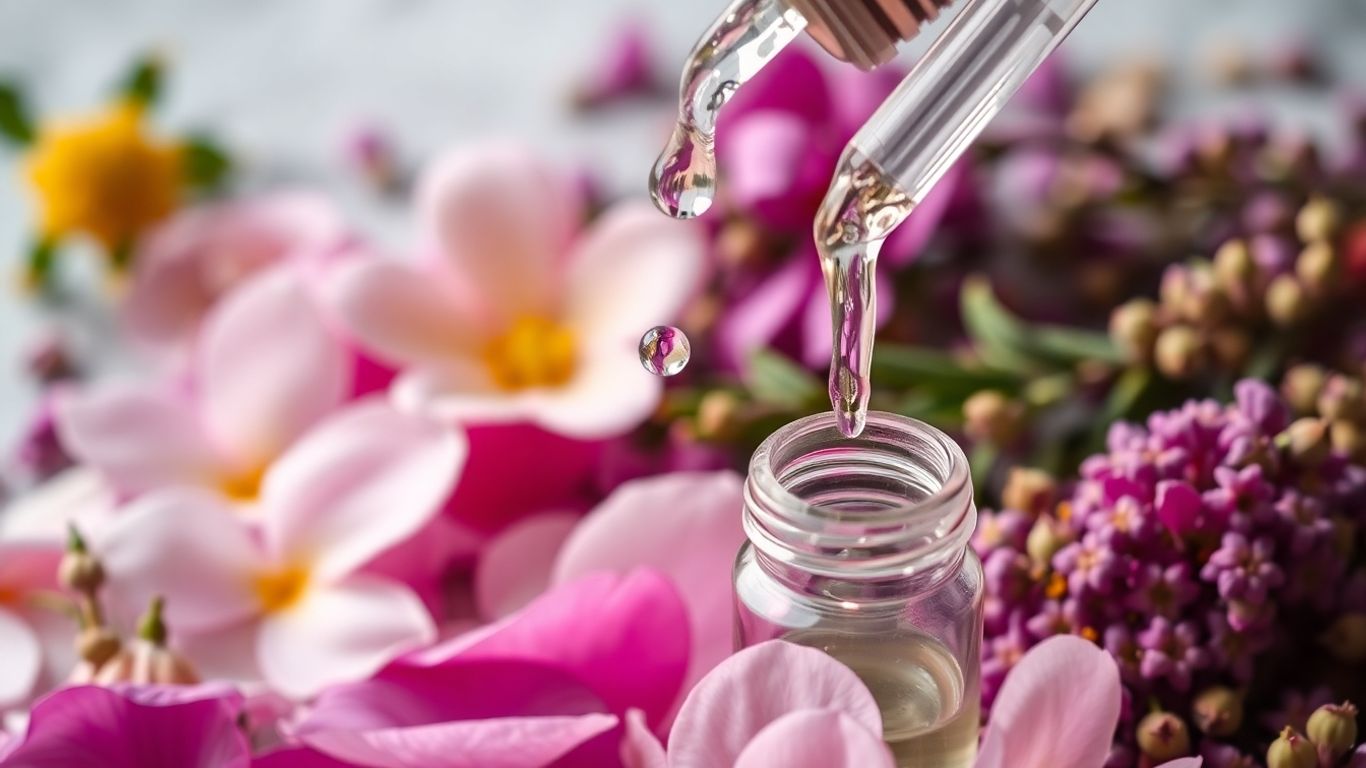
Right, so we've got all our lovely ingredients, and we've started blending, but how do we make sure what we're making smells the same every time and is actually any good? It's not just about chucking things together and hoping for the best, you know. We've got a few tricks up our sleeves to keep things on track.
The science of gas chromatography
This might sound a bit technical, but it's basically a way for us to get a really close look at what's actually in our fragrance. Think of it like a super-powered detective for smells. We use a machine called a Gas Chromatograph, often with a Mass Spectrometer attached (GC-MS, if you're feeling fancy). It breaks down the complex mixture of our perfume into its individual chemical components and tells us exactly what they are and how much of each is there. This is how we can be sure that the jasmine absolute we're using today has the same aromatic fingerprint as the one we used last month. It helps us spot any variations in our raw materials or if something's gone a bit off during the process. It’s all about precision, really.
Evaluating ingredient potency
Before anything even gets near a mixing bottle, we give our ingredients a good once-over. We need to know how strong each one is. Some oils, like certain absolutes, are incredibly potent and can easily take over a whole blend if you're not careful. We do little tests to gauge their strength and character. It’s a bit like tasting different spices when you’re cooking – you need to know which ones pack a punch and how much to use. We'll often make tiny test dilutions, maybe trying one drop of a strong oil in five millilitres of a carrier, then three drops, then five, just to see the difference it makes. This helps us figure out the perfect ratio for each component.
Testing blends on blotter strips and skin
Once we've got a blend that we think is pretty good, the real testing begins. We don't just spray it on a piece of paper and call it a day. We use what are called 'blotter strips' – little cardboard sticks – to get an initial impression. But that's just the start. The true test is how it smells on actual skin. Our skin chemistry is unique, and a fragrance can smell quite different from person to person. So, we'll wear the test blends ourselves for a few days, sometimes longer. We're looking at how the scent develops over time, how long it lasts, and if it changes in unexpected ways. It’s a bit of an iterative process; we might tweak things based on these wear tests before we're happy.
We've found that sometimes a blend that smells amazing straight away can change quite a bit after a few hours. Patience is key here. We need to let the fragrance settle and see how it truly behaves on the skin, not just in the bottle or on paper. It’s this careful observation that stops us from releasing something that might smell great initially but then fades or turns odd later on.
Maturation and the final fragrance
Allowing ingredients to marry
So, we've blended all our carefully selected ingredients, right? It might smell pretty good already, but we're not quite done. The next step is letting everything settle down and get to know each other. This is what we call maturation, or sometimes maceration. Think of it like letting a stew simmer for a good long while; all those flavours need time to meld together properly. If we bottled it straight away, it might smell a bit… disjointed. Some notes might be too loud, others too quiet. This resting period is where the real magic happens, transforming a promising mix into a truly harmonious scent.
The importance of resting periods
How long does this resting business take? Well, it varies. Lighter, fresher scents might only need a few weeks, maybe four to six. But if we've gone for something richer, with lots of woody or oriental notes, we might be looking at three or even four months. It really depends on the complexity of the blend. We store these concoctions in a cool, dark place, keeping the temperature steady. It’s a bit like looking after a fine wine. During this time, the molecules in the perfume start to bond and settle. The sharp edges soften, and the top, middle, and base notes begin to work together rather than competing. It’s a patient game, but it’s absolutely vital for the final quality.
From raw materials to bottled perfume
This whole process, from picking the initial ingredients to the final bottled perfume, is a journey. We start with individual notes, whether they're natural oils or synthetic compounds. Then we blend them, carefully balancing them to create our desired profile. After that comes the extraction of those aromatic essences, using methods like steam distillation or cold pressing. We check the quality rigorously, making sure everything is just right. And then, the crucial maturation phase. It’s during this time that the fragrance truly comes alive. What started as a collection of raw materials slowly evolves into the sophisticated scent you’ll eventually wear. It’s a testament to the fact that good things really do take time.
So, What's the Takeaway?
Right then, after all that, we've seen how making perfume is a bit like being a chef, a scientist, and an artist all rolled into one. It’s not just chucking some nice-smelling bits together; there’s a whole lot of thought, testing, and fiddling that goes into it. From picking the right flowers or chemicals to making sure the scent lasts on your skin, it’s a proper process. So next time you put on your favourite fragrance, maybe give a little nod to the work that went into it – it’s pretty cool, really.
Frequently Asked Questions
What's the first step in making a perfume?
It all starts with an idea, like a memory or a feeling we want to capture. We then think about the kind of smell we want to create – is it fresh, woody, or floral? This helps us imagine the overall scent profile before we even pick up any ingredients.
Where do the smells in perfume come from?
We get our smells from two main places. Some come from nature, like flowers, fruits, and spices, which we extract as essential oils. Others are made in a lab, which are called synthetic aroma compounds. These can either copy natural smells or create entirely new ones.
How do you mix all the different smells together?
It's a bit like composing music! We use top, middle, and base notes. The top notes are what you smell first, the middle notes are the heart of the perfume, and the base notes give it depth and make it last longer. We carefully blend these in different amounts to get the perfect balance.
Are there special ways to get the smells out of plants?
Yes, there are! We use methods like steam distillation, where steam helps release the fragrant oils. For delicate flowers, we might use something called enfleurage, which is an old technique using fat to soak up the scent. For citrus fruits, we often use cold pressing to get their oils.
How do we know if the perfume smells right?
We use science to check our ingredients and the final mix. Tools like gas chromatography help us see exactly what's in our ingredients and make sure they're consistent. We also smell the blends on paper strips and, of course, on skin to see how they develop over time.
Why does perfume need to 'rest' after it's made?
After we mix everything, we let the perfume sit for a while. This is called maturation or resting. It gives all the different ingredients time to get to know each other and blend together properly. This makes the final scent smoother and more complex, like letting a good stew simmer.