We've all been there, standing in front of a wall of perfume bottles, wondering what's really going on. You've got your usual suspects, the ones you see everywhere, and then there are these other ones, a bit more hidden away. It got us thinking, what's the actual difference between those big-name designer scents and the more 'boutique' niche perfumes? We decided to dig in and figure out what makes them tick, from the juice inside to how they end up in our hands. It turns out, there's quite a bit more to it than just the price tag.
Key Takeaways
- Designer perfumes are usually made for lots of people, using a mix of ingredients to smell nice and be easy to get, often backed by big marketing campaigns and celebrity faces.
- Niche perfumes focus on being unique and artistic, often using rarer, higher-quality ingredients and made in smaller batches, which can make them more expensive and harder to find.
- The ingredients in both types matter a lot; designer scents balance quality with cost for mass appeal, while niche ones often go all out for a special smell, impacting how long they last and how strong they are.
- Marketing for designer scents uses big ads and known names, aiming for broad appeal, whereas niche brands tend to rely on word-of-mouth and a sense of exclusivity, highlighting the scent's story.
- Choosing between them comes down to what you want – a reliable, everyday scent (designer) or something truly different and personal (niche), and your budget plays a big part too.
Understanding the core differences between designer and niche perfumes
When we start looking into the world of perfumes, it’s easy to get a bit lost. There are so many options out there, and they often fall into two main camps: designer and niche. While both give us lovely smells, they come from pretty different places and have different ideas behind them. It’s not just about the price tag, though that’s often a clue. We’re talking about the whole philosophy, how they’re made, and who they’re trying to reach.
The philosophy behind designer perfumery
Designer fragrances are usually tied to big fashion houses – think of the names you see on clothes and accessories. Their perfume lines are often an extension of that brand’s image. The main goal here is usually mass appeal. They want to create scents that lots of people will like and feel good wearing, whether that’s for a day at the office or a night out. It’s about making something accessible and recognisable, a bit like wearing a designer handbag.
The philosophy behind niche perfumery
Niche perfumery, on the other hand, is a bit more like an artist’s studio. These brands are often smaller, and the focus is really on creativity and uniqueness. They’re not necessarily trying to please everyone. Instead, they’re often driven by a perfumer’s vision, wanting to explore unusual ingredients or create a scent that tells a specific story. It’s about offering something a bit more special, something that stands out from the crowd.
What is the difference between designer and niche perfumes?
So, what’s the actual difference we can point to? Well, it boils down to a few key things:
- Target Audience: Designer scents aim for broad appeal, while niche fragrances often target a more specific, discerning audience looking for something different.
- Ingredients: Niche brands might use rarer, more expensive ingredients and focus on natural components, whereas designer brands often balance cost and consistency with a mix of natural and synthetic materials.
- Production: Designer perfumes are made in huge quantities, while niche fragrances are typically produced in smaller batches, allowing for more careful control.
- Marketing: Designer brands often use celebrity endorsements and big advertising campaigns. Niche houses tend to rely more on word-of-mouth, the quality of the scent itself, and the story behind it.
Ultimately, designer perfumes are about bringing a piece of a fashion brand's world to a wider audience, focusing on wearability and familiarity. Niche perfumes, however, are often about the art of scent itself, pushing boundaries and offering a more personal, unique olfactory experience.
Here’s a quick look at how they generally stack up:
| Feature | Designer Perfumes | Niche Perfumes |
|---|---|---|
| Philosophy | Mass appeal, brand extension, accessibility | Artistic expression, uniqueness, exclusivity |
| Ingredients | Mix of natural & synthetic, cost-conscious | Often rare, high-quality naturals, experimental |
| Production | Large-scale, mass-produced | Small-batch, limited quantities |
| Marketing | Celebrity endorsements, broad advertising | Word-of-mouth, brand story, quality focus |
| Price Point | Generally more accessible | Typically higher |
Exploring the ingredients and artistry
Comparing ingredients: designer versus niche
When we look at the actual stuff that goes into perfumes, there's a pretty big difference between what you'll find in a designer bottle and a niche one. Designer brands, because they're aiming for such a wide audience and need to keep costs down, often rely more on synthetic ingredients. These can be great, don't get me wrong, and perfumers are incredibly clever at making them smell amazing. But they tend to be more common, and sometimes they don't have the same depth or complexity as natural materials.
Niche houses, on the other hand, often have the freedom to be a bit more adventurous. They might use rarer, more expensive natural ingredients, or they might experiment with really unique synthetic compounds that you just don't find everywhere. This focus on quality and uniqueness in ingredients is a big part of what makes niche fragrances so special. It's like the difference between a mass-produced t-shirt and a hand-knitted jumper – both keep you warm, but one has a certain something extra.
The role of natural and synthetic components
So, let's break down what we mean by natural and synthetic. Natural ingredients come straight from plants and animals – think floral absolutes, essential oils from woods and spices, or even animal-derived materials like ambergris (though these are rare and often ethically sourced or synthetically recreated now). These can give a fragrance a really rich, nuanced, and evolving scent. They're complex and can smell different depending on the harvest and where they came from.
Synthetics, which are created in a lab, offer perfumers a massive palette to play with. They can mimic natural scents, create entirely new ones, or provide the backbone for a fragrance. Some synthetics are incredibly sophisticated and can add sparkle, longevity, or specific effects that naturals can't achieve alone. The real magic often happens when perfumers blend the two, using synthetics to boost or modify naturals, or to create a scent profile that's completely original. Niche perfumers often have more leeway to use a higher percentage of expensive naturals or to really push the boundaries with innovative synthetics.
How ingredients impact longevity and sillage
The ingredients we've just talked about have a direct impact on how long a perfume lasts on your skin (longevity) and how far its scent projects (sillage). Generally speaking, heavier, oilier ingredients like resins, woods, and certain musks tend to stick around longer, giving you that lovely lasting scent. Lighter, more volatile ingredients, like citrus or delicate florals, often evaporate more quickly.
Niche fragrances, with their potential use of higher concentrations of quality ingredients and sometimes more complex structures, can often offer impressive longevity and sillage. However, it's not always a straightforward rule. A cleverly constructed designer fragrance can also perform brilliantly. It really comes down to the perfumer's skill in balancing the different components. Some niche scents are intentionally designed to be more intimate, with a softer sillage, focusing on a personal, skin-close experience rather than filling a room. It's all part of the artistry and the story the perfumer wants to tell.
Production and exclusivity
Mass production versus small-batch creation
When we think about how perfumes are made, there's a pretty big split between designer and niche. Designer fragrances, the ones you see everywhere in big department stores, are made on a massive scale. Think huge factories, huge vats, and a focus on getting the same scent out to millions of people consistently. It’s all about efficiency and making sure that if you buy a bottle in London, it smells exactly like the one someone else bought in Tokyo.
Niche perfumes, on the other hand, are often made in much smaller quantities. We're talking about artisanal workshops where the perfumer might be hands-on with every single batch. This small-batch approach means they can really focus on the quality of each ingredient and the finer details of the scent. It’s less about mass appeal and more about creating something special, something that feels a bit more personal. This dedication to craft is why we often find niche scents have a more complex and unique character.
The allure of rare and limited editions
This difference in production naturally leads to exclusivity. Designer brands, by their very nature, want their scents to be accessible. They're part of a larger fashion house, and the perfume is often an extension of that brand's image, meant to be enjoyed by a wide audience. They might release flankers or seasonal variations, but the core scent remains widely available.
Niche perfumery thrives on rarity. Many niche houses will release limited editions – perhaps a special concentration, a seasonal scent, or a fragrance made with a particularly rare ingredient that's only available for a short time. These limited runs create a sense of urgency and desirability. It’s like finding a hidden gem; you know it won't be around forever, which makes owning it feel even more special. For us, this scarcity is a big part of the appeal – it means we're wearing something that not everyone else has.
Quality control in fragrance manufacturing
When it comes to quality control, both types of fragrance houses have their methods, but they differ in focus. For designer brands, the main goal is consistency. They have rigorous testing to ensure that every bottle meets the exact same standard. This means that the scent you loved last year will smell identical this year, no matter where you bought it. It’s a testament to their industrial processes.
With niche perfumes, quality control often centres on the integrity of the scent itself. Because they use smaller batches and sometimes more delicate, natural ingredients, the focus is on preserving the intended aroma and character. While they also aim for consistency within a batch, there might be subtle variations that enthusiasts actually appreciate, seeing them as signs of the handmade nature. It’s a different kind of quality assurance, one that prioritises the artistic vision over industrial uniformity. We've found that this attention to detail, even in the small things, really makes a difference to the final product.
Marketing and accessibility
When we're thinking about how perfumes get to us, the marketing and how easy they are to get hold of makes a big difference. It’s fascinating to see how designer and niche brands go about it.
Designer fragrance marketing strategies
Designer brands really know how to get their name out there. They often splash out on big advertising campaigns. Think glossy magazine ads, TV commercials, and, of course, those big celebrity endorsements. They want you to connect with the idea of the brand, the lifestyle it represents. It’s all about creating a bit of aspirational magic, making you feel like you’re buying into a whole world, not just a scent. They’re aiming for mass appeal, so you’ll see them everywhere, from big department stores to online shops, making them pretty easy to pick up.
Niche fragrance marketing approaches
Niche houses tend to do things a bit differently. Their marketing is often much quieter, more subtle. They rely a lot on word-of-mouth from people who really know their stuff, like perfume bloggers or enthusiasts. The focus is less on a famous face and more on the actual scent itself – its uniqueness, the quality of the ingredients, and the story behind it. It feels more like being let in on a secret. You won't usually find them in every high street shop; they're often in specialist boutiques or high-end stores where the staff can actually tell you about the fragrance. This makes them feel more exclusive, and honestly, that’s part of the appeal for many of us.
The role of brand recognition and endorsements
Brand recognition is huge for designer scents. When you buy a perfume from a well-known fashion label, you’re not just getting a smell; you’re getting a piece of that brand’s history and prestige. It’s why people often stick to the same designer scents year after year. Niche brands, on the other hand, build their reputation on the scent itself and the artistry involved. Their endorsements come from the quality and the unique story they tell, rather than a famous name. It’s a different kind of trust they build with us.
For niche brands, the marketing isn't just about selling a bottle; it's about sharing a piece of art and a unique perspective. They often create a sense of community around their scents, inviting us to be part of something special and less mainstream.
Here’s a quick look at how they differ:
- Designer:
- Mass advertising (TV, magazines)
- Celebrity endorsements
- Wide availability in department stores and online
- Focus on lifestyle and aspirational image
- Niche:
- Word-of-mouth and enthusiast reviews
- Focus on scent quality and uniqueness
- Limited availability in specialist boutiques
- Emphasis on storytelling and exclusivity
Scent profiles and wearer experience
Designer scents for mass appeal and versatility
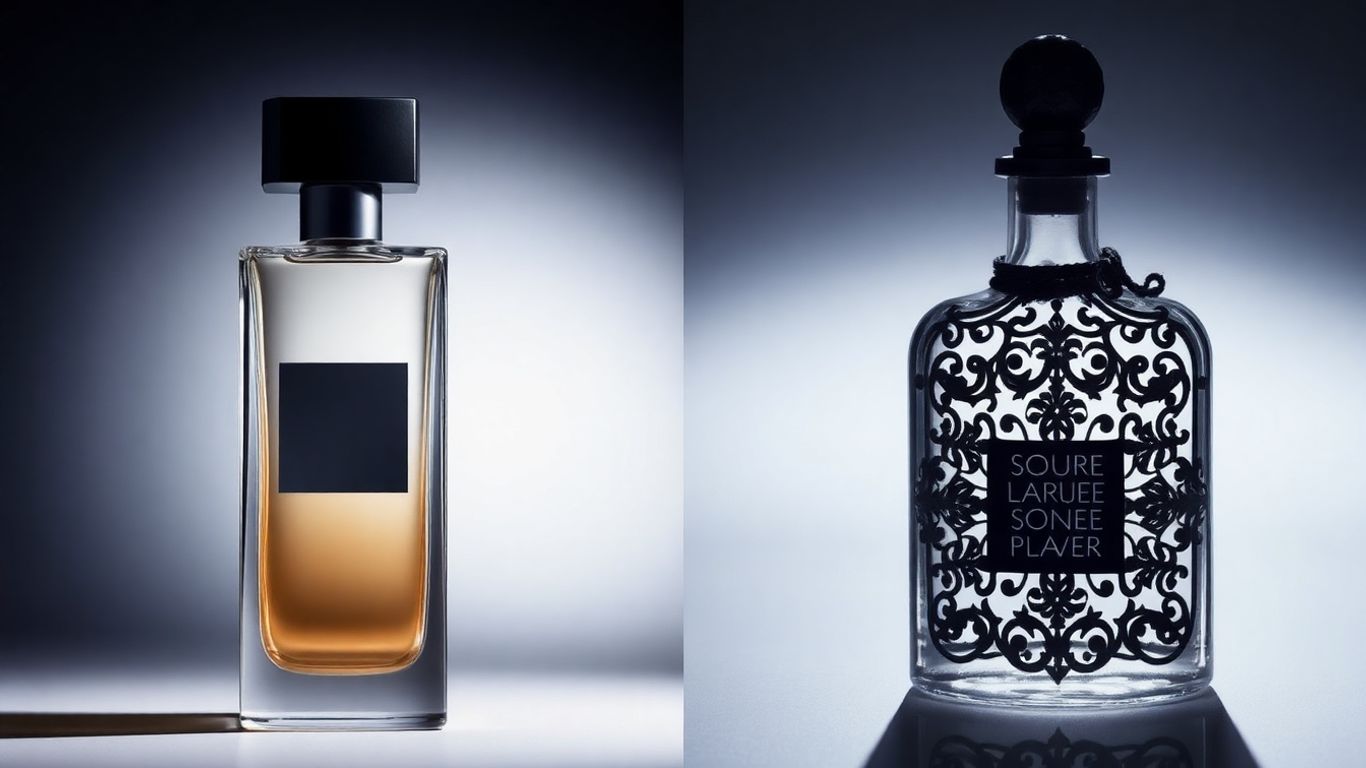
When we think about designer perfumes, they're often crafted with a broad audience in mind. The aim is usually to create something pleasant and widely liked, making them super versatile. You know, the kind of scent you can spritz on for work, a casual weekend outing, or even a nice dinner without feeling out of place. They tend to follow popular trends, so you'll often find familiar notes that are generally considered crowd-pleasers. Think of them as the reliable friends in your fragrance collection – always there, always appropriate. They're designed to be easy to wear and understand, fitting into most aspects of our daily lives without demanding too much attention.
Niche scents for unique and unconventional profiles
Now, niche perfumes are a whole different ballgame. These are the ones that really let the perfumer's artistic vision shine. They're not trying to please everyone; instead, they're often created to explore more unusual, daring, or complex scent profiles. We're talking about fragrances that might use rare ingredients, unexpected combinations, or tell a very specific story. Wearing a niche scent often feels like wearing a piece of art. It's a way to express a more individualistic side, to stand out from the crowd, and to wear something that feels truly personal and perhaps a bit unconventional. It’s less about fitting in and more about making a statement that’s uniquely yours.
The story and concept behind the fragrance
What really fascinates us is how both designer and niche fragrances come with their own narrative, though they differ significantly. Designer scents often tie into the brand's overall image – think glamour, sophistication, or a particular lifestyle associated with the fashion house. They might be marketed with a celebrity endorsement or a cinematic advert that evokes a certain feeling or aspiration. Niche fragrances, on the other hand, usually have a more deeply embedded concept. The story might be inspired by a place, a memory, a historical event, or even a specific emotion. It’s this narrative that adds another layer to the experience, making the scent more than just a smell; it becomes a wearable piece of storytelling. We find that understanding this concept can really help us connect with a fragrance on a deeper level, guiding our choice based on the mood or persona we want to embody.
Navigating your fragrance choice
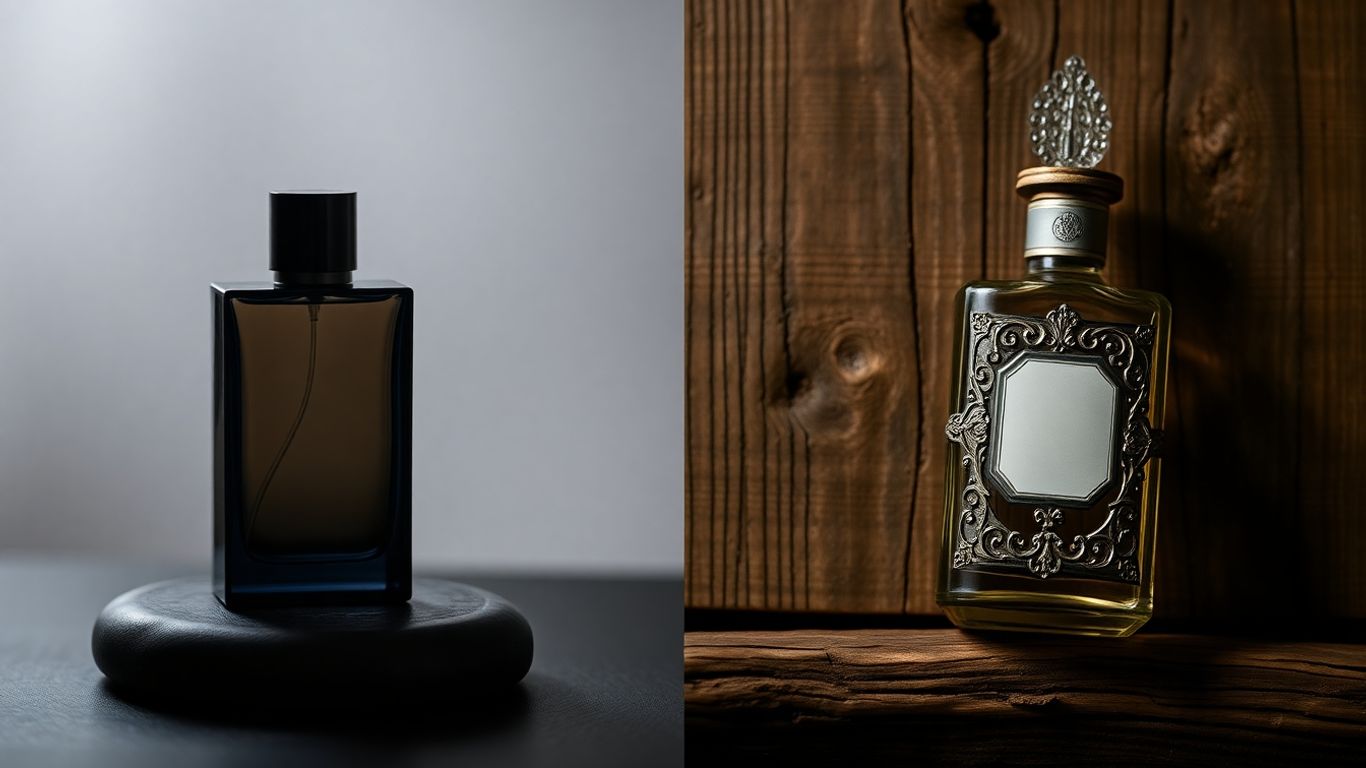
So, we've chatted about what makes designer and niche perfumes tick, looked at the bits and bobs that go into them, and even peeked behind the curtain at how they're made and marketed. Now, the big question: how do we actually pick the one that's right for us? It can feel a bit overwhelming, can't it? But honestly, it's a bit like choosing an outfit for the day – it should make you feel good and say something about you without you having to say a word.
Considering Your Personal Fragrance Goals
First off, let's think about what you actually want from a perfume. Are you after something that's your everyday go-to, something you can spritz on without a second thought whether you're heading to the office or meeting friends for coffee? Or are you looking for a real showstopper, a scent that turns heads and sparks conversations when you're out for a special evening? Maybe you love the idea of a fragrance that changes and evolves on your skin throughout the day, revealing different facets of its personality. Knowing what you're looking for is half the battle. It helps us narrow down the options considerably.
- Everyday Versatility: Do you need a scent that works for almost any situation?
- Unique Statement: Are you hunting for something distinctive that stands out?
- Olfactory Journey: Do you enjoy fragrances that develop and change over time?
- Brand Connection: Is the story or reputation of the brand important to you?
Aligning Your Choice with Your Lifestyle
Think about your daily routine. If you spend most of your time in a professional setting, you might want something a bit more subtle, something that doesn't overpower. A light floral or a clean, woody scent could be perfect. But if your life is more about evenings out, social gatherings, or expressing a bolder side of yourself, then perhaps a richer, more complex fragrance would be a better fit. It’s about finding a scent that complements, rather than competes with, your lifestyle. We’ve found that a scent can really influence how we feel, so picking one that matches our mood and activities makes a big difference.
Your fragrance is an extension of your personal style, a silent introduction before you even speak. It should feel authentic to you and suit the moments you'll be wearing it.
Evaluating Budget and Perceived Value
Let's be real, price is a factor for most of us. Designer fragrances often come with a more accessible price tag, and you know what you're getting – a familiar, often crowd-pleasing scent. Niche perfumes, on the other hand, can be pricier. This is often down to the quality of ingredients, the smaller production runs, and the artistic vision behind them. But 'value' isn't just about the price tag. It's about how much you enjoy the scent, how long it lasts, and how it makes you feel. Sometimes, a smaller bottle of a niche perfume that you absolutely adore and wear sparingly can feel more valuable than a large bottle of something you only half-like.
| Fragrance Type | Typical Price Range (GBP) | Common Characteristics |
|---|---|---|
| Designer | £40 - £120 | Mass appeal, recognisable notes, widely available |
| Niche | £80 - £300+ | Unique profiles, high-quality ingredients, limited availability |
So, What's the Verdict?
Right then, we've had a good look at what makes designer and niche perfumes tick. It's pretty clear that neither is 'better' than the other, they're just different beasts entirely. Designer scents give us that familiar comfort, that touch of everyday luxury from brands we know and trust, and they're easy enough to get our hands on. Niche perfumes, though? They're the adventurers, the artists. They offer something a bit more unusual, a bit more personal, often with incredible ingredients and a story to tell. For us, the best approach is often to just enjoy both. Maybe a trusty designer scent for work, and a special niche find for when we want to feel a bit more unique. Ultimately, it's all about what smells good to you and how it makes you feel. Happy sniffing!
Frequently Asked Questions
What's the main difference between designer and niche perfumes?
Basically, designer perfumes are made by big fashion brands, like the ones that make clothes and bags. They aim for scents that lots of people will like and can be found everywhere. Niche perfumes, on the other hand, are made by smaller, more specialised perfume houses. They focus on unique smells, often using rarer ingredients, and aren't as easy to find. Think of designer as popular hits and niche as indie music gems.
Are niche perfumes always better quality than designer ones?
Niche perfumes often use really special, sometimes rare, natural ingredients and are made in smaller batches. This can mean they smell more complex and last longer. Designer perfumes usually use a mix of natural and synthetic stuff to make sure they smell the same every time and are more affordable. So, while niche can offer a different kind of quality, designer scents can still be really well-made and smell amazing!
Why are niche perfumes usually more expensive?
It often comes down to the ingredients and how they're made. Niche brands might use costly natural oils, extracts from exotic places, or even create brand-new scent molecules. Plus, they're usually made in smaller amounts, which means they don't get the same cost savings as big brands that produce millions of bottles. It's like comparing a handmade designer dress to one made in a huge factory.
How do designer and niche perfumes get advertised differently?
Designer brands often use big ad campaigns with famous actors or singers, showing off a glamorous lifestyle. You'll see them in magazines and on TV. Niche brands tend to be more low-key. They rely more on word-of-mouth, reviews from perfume fans, and maybe having their scents in special boutiques. The focus is more on the unique smell and the story behind it, rather than a celebrity face.
Can I wear niche perfumes every day, or are they just for special occasions?
You absolutely can wear niche perfumes every day if you love them! While some niche scents are quite bold and might feel more 'special occasion', many are designed to be unique everyday fragrances. It really depends on the specific perfume and your personal preference. If a niche scent makes you feel great, wear it whenever you like!
How do I even start trying out niche perfumes if they're hard to find?
It can feel a bit daunting, but there are ways! Lots of niche brands sell sample sets or discovery kits on their websites, so you can try a few before buying a full bottle. You can also look for specialised online perfume shops that carry niche brands, or visit high-end department stores that might have a curated selection. Reading reviews from other perfume lovers online can also point you towards exciting new scents to explore.