Ever wondered why your favourite scent seems to vanish on your skin after a couple of hours, but then you catch a whiff of it hours later wafting from your jumper? It’s a common puzzle, and we’ve been trying to figure it out too. It turns out there’s a bit of science and a lot of fabric involved in this fragrant mystery. Let's get into why do perfumes smell stronger on clothes than on skin?
Key Takeaways
- Fabrics, especially natural ones like wool, silk, and cashmere, have a knack for holding onto fragrance molecules much better than skin does.
- The fibres in clothing act like tiny sponges, absorbing the perfume and releasing it slowly over time.
- Unlike skin, clothes don't have natural oils or body heat that can cause the fragrance to evaporate quickly.
- Applying perfume to clothes can be a great option for those with sensitive skin, as it creates a barrier.
- Different fabric textures affect how a scent is held and released, with some, like satin and cashmere, being particularly good at scent retention.
Understanding the fabric's role in scent longevity
Natural affinity of certain textiles for fragrance
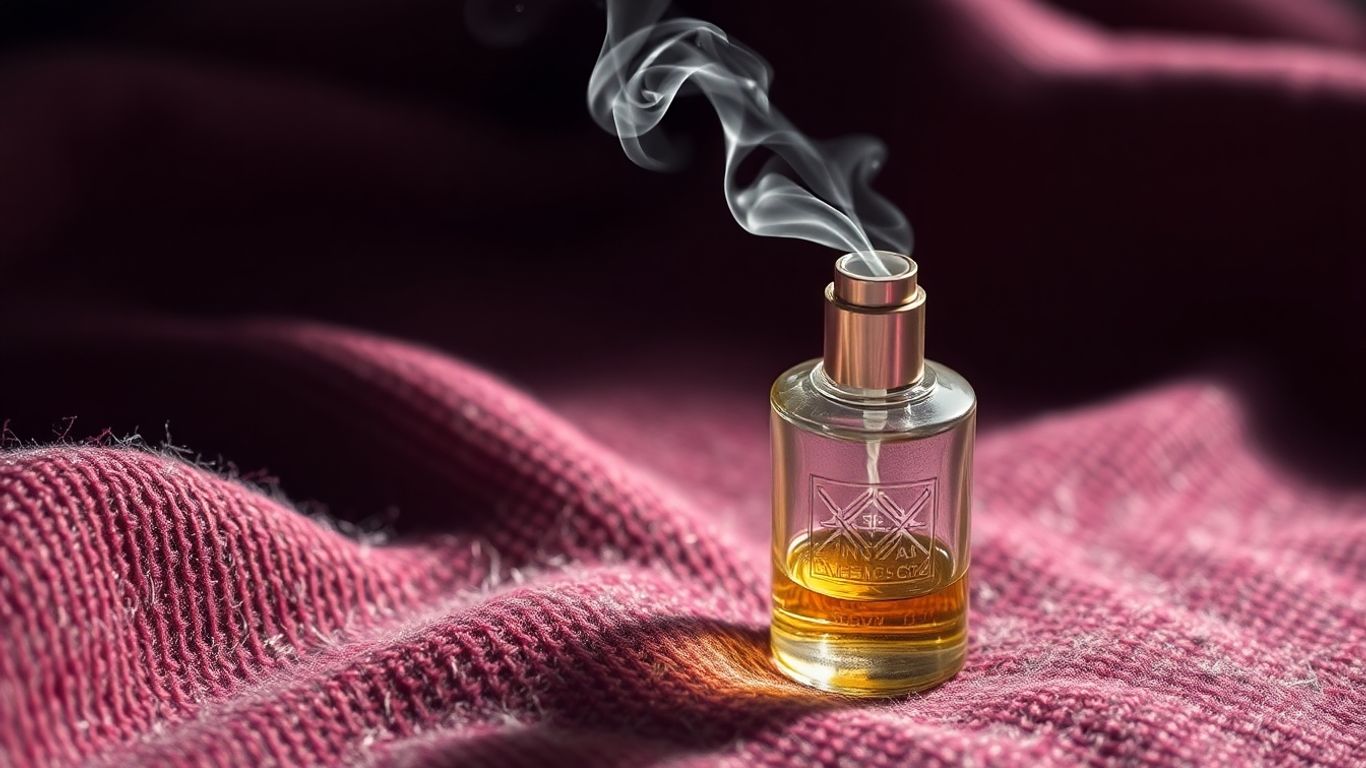
We've all noticed it, haven't we? That favourite jumper seems to hold onto a scent for ages, while the same perfume sprayed on our skin fades much faster. It turns out, some fabrics are just naturally better at holding onto fragrance than others. Think about materials like wool, cashmere, or even thick cotton. These fibres have a sort of porous structure, almost like tiny sponges. This means they can soak up and cling onto those lovely scent molecules from your perfume. It's not magic, it's just the way these materials are built.
How fabric fibres absorb and retain scent
So, how does this absorption actually work? Well, the individual fibres that make up a piece of clothing have a surface area that's much larger than you might think. When perfume lands on them, the alcohol evaporates, but the heavier fragrance oils and aroma compounds get trapped within these fibres. It’s like they’re being held captive, slowly releasing their scent over time. This is why a scarf or a coat can carry a fragrance for days, sometimes even weeks, after you've worn it. It’s a much more gradual release compared to skin, where heat and body chemistry can speed things up.
The impact of texture on scent diffusion
The texture of the fabric plays a big part too. Rougher, more textured materials, like a chunky knit or even denim, tend to trap scent molecules more effectively than smooth, tightly woven fabrics like satin. Imagine trying to catch water with a sieve versus a net – the net catches more. Similarly, a fabric with more nooks and crannies will hold onto more scent. This means that while smooth silks might offer a delicate whisper of fragrance, a more textured fabric can provide a richer, longer-lasting scent experience. It’s all about how the scent molecules interact with the physical structure of the material.
The science behind scent interaction with materials
Why do perfumes smell stronger on clothes than on skin?
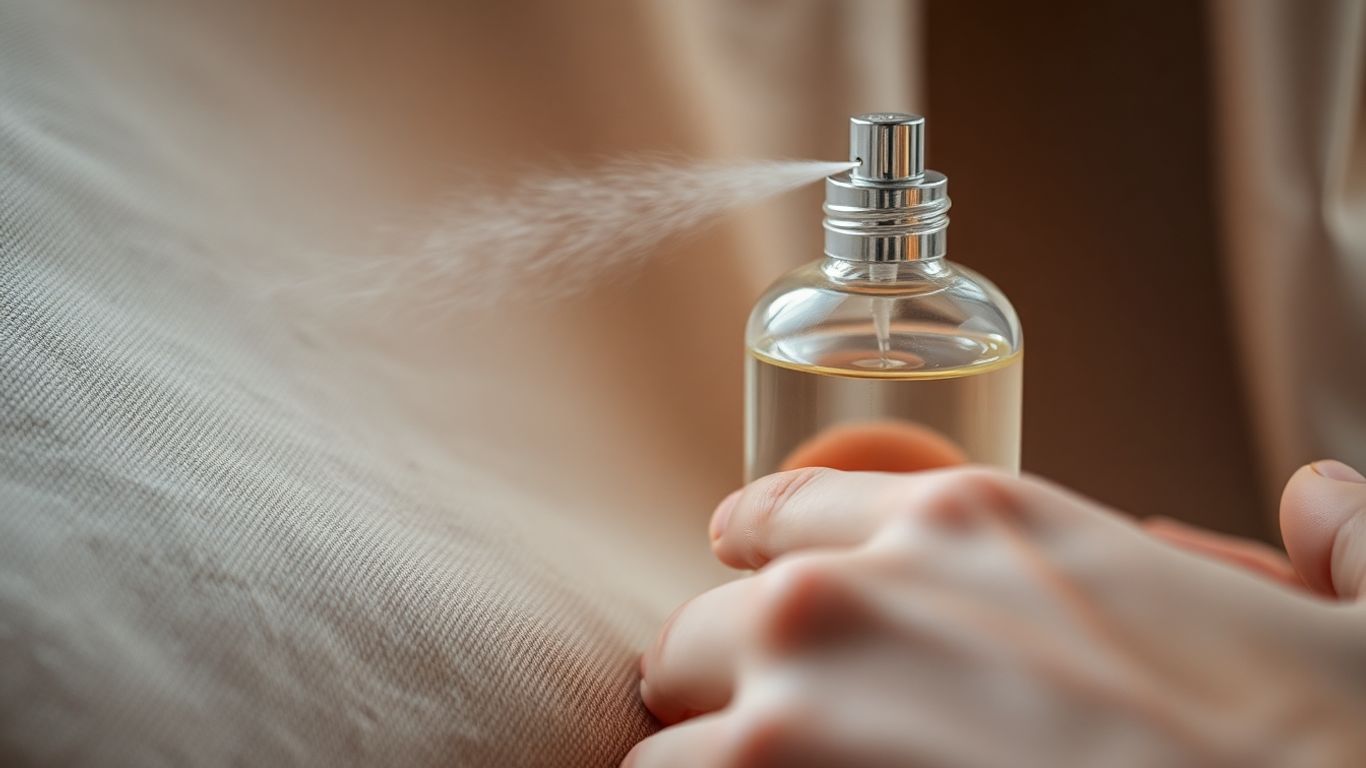
Ever wondered why that lovely scent you sprayed on your jumper seems to linger for days, while the same perfume on your skin fades much faster? It all comes down to the materials involved. Our skin is a living, breathing surface, constantly interacting with the perfume. Things like our skin's pH, how oily it is, and even our body temperature play a big part in how a fragrance develops and how long it lasts. It's a bit like a chemical reaction, unique to each of us.
Molecular structure and fabric adhesion
Perfumes are made up of tiny aromatic molecules. When you spray perfume on fabric, these molecules have a different kind of surface to cling to compared to skin. Fabrics, especially natural fibres, have a structure that can trap these scent molecules. Think of it like a tiny sponge. Alcohol-based perfumes, which are common, evaporate quickly from skin. But on clothes, the scent molecules can bind more effectively to the fibres. This means they don't evaporate as rapidly, leading to a stronger and longer-lasting smell.
The role of sebum and fabric fibres
Our skin naturally produces an oil called sebum. This sebum interacts with the perfume, helping it to blend with our body chemistry. While this creates a unique scent on our skin, it can also cause the fragrance to break down or change over time. Fabrics, on the other hand, don't have sebum. Instead, they have fibres. These fibres, whether they're cotton, wool, or synthetics, can absorb the perfume's oils and aromatic compounds. This absorption means the scent is held within the fabric structure, releasing slowly over time. It’s this difference in how scent molecules interact with skin versus fabric fibres that makes perfumes often smell more potent and last longer on our clothes.
Exploring the advantages of clothing application
We've all been there, right? You want to wear your favourite scent, but your skin is a bit sensitive, or maybe you just want that fragrance to last all day without reapplying. Well, applying perfume to our clothes can be a bit of a game-changer. It's like giving your scent a cosy little home where it can relax and hang around for longer.
A safe haven for sensitive skin
For those of us who sometimes get a bit of a reaction from perfumes directly on our skin, this is a lifesaver. Instead of worrying about irritation, we can just spritz our clothes. It means we don't have to miss out on smelling lovely, even if our skin is a bit fussy. Think of it as wearing a beautiful, scented shield that lets you enjoy the aroma without any of the drama.
Creating a subtle and captivating sillage
Forget those overpowering clouds of fragrance that announce your arrival from a mile off. When we put perfume on our clothes, it creates a much more delicate trail, a sort of whisper of scent that follows us. It’s more intriguing, isn't it? People get to discover the fragrance as they get closer, rather than being hit by it straight away. It’s a lovely way to leave a subtle impression.
Convenience and extended fragrance wear
Honestly, who has the time to keep reapplying perfume throughout the day? Applying it to our clothes means we can set it and forget it, for the most part. Our outfits become these wonderful scent carriers, keeping us smelling great for hours. It’s particularly handy when we’re out and about, busy with life, and don't want to fuss with a perfume bottle. It just makes life a little bit easier and a lot more fragrant.
Layering fragrances for a unique olfactory experience
Combining body and clothing application
So, we've talked about how clothes hold onto scent differently than our skin. Now, let's get creative and really play with that. It’s like painting with scent, using both your skin and your clothes as the canvas. This is where we can really make a fragrance our own. Think about it: your skin warms up the scent, making it bloom, while your clothes act like a slow-release diffuser, giving you that lasting impression.
We can start by applying a lighter, perhaps more fleeting scent directly to our pulse points – think wrists, behind the ears, or the crook of the elbow. Then, we can spritz a complementary, maybe richer or more robust fragrance onto our clothes. This way, as we move, our body heat releases the initial burst of scent, and then the fabric gently unfurls the deeper notes throughout the day. It creates a really dynamic and evolving fragrance journey, rather than just a single note.
Subtle harmony through complementary scents
For a really smooth, almost seamless scent experience, we want our chosen fragrances to play nicely together. This means picking scents that share common notes or belong to the same fragrance family. For example, if you're wearing a woody scent on your clothes, you might choose a sandalwood or cedarwood-based fragrance for your skin. It’s about building layers that feel cohesive, like a well-composed piece of music. We're not trying to create a clash; we're aiming for a beautiful blend where each element supports the other.
Here’s a little idea to get you started:
- Base Layer (Clothes): A warm, musky scent like amber or patchouli sprayed onto a scarf or jacket.
- Mid Layer (Skin): A complementary floral or spicy note applied to pulse points, like rose or cinnamon.
- Top Note (Subtle Touch): A hint of citrus or fresh green notes on your hair or the inside of your collar for a fleeting, uplifting lift.
Contrasting notes for intriguing layers
Now, if subtle harmony isn't quite your style, we can go for something a bit more daring: contrast. This is where we pair scents that are quite different but somehow just work. Imagine a bright, zesty citrus scent on your clothes, perhaps a lemon or bergamot spray on your coat, and then a deep, dark vanilla or oud on your skin. The initial bright hit from the fabric will be followed by the richer, more sensual aroma from your skin. It’s unexpected, it’s intriguing, and it definitely makes a statement. It’s all about creating a bit of a scent dialogue, a playful push and pull that keeps people guessing.
Playing with contrasts can be really fun. It’s like wearing a sharp blazer with a soft, flowing dress – the unexpected combination is what makes it interesting. With fragrance, we can achieve that same effect by pairing, say, a fresh aquatic scent on our shirt with a warm, gourmand scent on our wrists. The key is to ensure there's a connection, even if it's just a shared intensity or a similar base note, so it doesn't become chaotic.
Fabric types and their fragrance-holding capabilities
We've all got our favourite fabrics, right? Some feel amazing, some look great, but did you know they can also totally change how your perfume smells and lasts? It's pretty wild how different materials interact with fragrance. We're going to look at a few common ones and see how they do.
Satin and cashmere's absorbent qualities
Satin, with its super smooth surface, is like a little magnet for perfume oils. It just drinks them up, holding onto the scent and letting it out slowly throughout the day. Imagine a soft floral scent clinging to a satin dress – it’s subtle but definitely there. Cashmere is a bit different. Its fine, fuzzy fibres trap fragrance really well. When you move, it releases a gentle waft of scent. It’s perfect for those comforting, warmer fragrances, like a cosy musk, making you feel all snug and inviting.
Denim's unexpected scent enhancement
Now, denim might seem like an odd choice, but it's actually quite good at holding onto certain scents. The rougher texture of denim can add a bit of grit and character to a fragrance, especially something like a citrusy oil. It gives it a more casual, yet still vibrant, vibe. Denim can really bring out a different side of your perfume.
Silk's delicate fragrance diffusion
Silk is all about elegance and lightness. When you put perfume on silk, it doesn't get absorbed as much as, say, satin or cashmere. Instead, it sits on the surface and diffuses more gently. This means you get a lighter, more airy scent trail, which is lovely for delicate floral or fruity perfumes. It’s like a whisper of fragrance that follows you around, not an overpowering cloud.
Different fabrics have different structures, and this affects how they hold onto scent molecules. Natural fibres tend to absorb more than synthetic ones, but even within natural fibres, there's a lot of variation.
So, What's the Verdict?
Right then, after all that, it seems pretty clear why our favourite scents can behave so differently. It’s not just us being odd, or the perfume being faulty! Our skin, with its own unique oils and temperature, really does change how a fragrance behaves. Then you’ve got clothes, which are like little scent sponges, holding onto those lovely notes for ages. It’s a bit of a science, isn’t it? So next time your perfume smells amazing on your jumper but a bit meh on your wrist, you’ll know exactly why. It’s all part of the fun of finding what works for you, and maybe even trying a bit on your scarf!
Frequently Asked Questions
Why does my perfume smell different on my clothes compared to my skin?
It's a bit like magic, isn't it? When we put perfume on our skin, it mixes with our natural body oils and heat, which changes the smell a little. Clothes, though, are like a blank canvas! They don't have those oils, so the perfume often stays closer to its original scent, sometimes smelling even stronger because the fabric holds onto the scent molecules really well.
Can wearing perfume on clothes cause damage?
Generally, most modern perfumes are formulated to be safe on skin, and usually, they're fine on clothes too. However, some fabrics are more delicate than others. Really fine silks or certain dyed materials might get stained or discoloured by the oils in the perfume. It's always a good idea to test on a small, hidden spot first, especially with richer, darker scents or on precious fabrics.
Which types of fabrics are best for holding perfume scents?
We've found that natural fibres tend to be scent superheroes! Think wool, cashmere, and even denim. These materials have a sort of natural texture that grabs onto perfume molecules and holds them tight, releasing the scent slowly over time. Smooth fabrics like satin can also hold scent well, but they might not diffuse it quite as much as a more textured material.
Is it better to spray perfume on my skin or my clothes?
Honestly, it's a bit of both! Spraying on your skin lets the perfume interact with your body chemistry, creating a scent that's uniquely yours – it’s often subtler. Applying to clothes means the scent usually lasts longer and can smell closer to how it does straight from the bottle. Lots of people like to do both for a layered effect!
How can I make my perfume last even longer on my clothes?
To really make your scent stick around, try spraying it on before you get dressed. This gives the perfume a chance to really soak into the fabric fibres. You can also try layering – maybe a tiny bit on your skin and then a more generous application on your clothes. Some people even find that applying a bit to scarves or coat collars works wonders because they're often closer to you.
Will perfume smell the same on different types of clothes?
Not quite! Just like skin, different fabrics behave differently. A thick wool jumper will hold onto a scent for ages, giving it a deep, lasting aroma. A light cotton t-shirt might release the scent more quickly, while something like silk might offer a more delicate, airy diffusion. It really depends on how the fibres interact with the perfume.