We've all been there, right? Standing in front of a perfume counter, or maybe just scrolling online, and you see all these terms thrown around. 'Sillage', 'projection' – what do they actually mean? We often hear them used when talking about perfumes, but it can feel a bit like a secret language. We thought it was high time we broke down these common fragrance words so we can all feel a bit more in the know when picking out our next scent. It's not as complicated as it sounds, promise!
Key Takeaways
- Sillage is about the scent trail you leave behind, like a fragrant whisper following you. Projection, on the other hand, is how far your scent can be detected from your skin – basically, how much it 'projects' outwards.
- Lots of things can change how your perfume behaves. Your skin type is a big one; dry skin might make a scent fade faster than oily skin. How you put it on matters too – spraying on pulse points helps.
- The concentration of the perfume is key. Eau de Cologne is light and doesn't last long, while Eau de Parfum and Extrait de Parfum are stronger and stick around for ages.
- Perfumers use different ingredients and techniques to make scents last. Natural ingredients can sometimes behave differently on the skin compared to synthetics, and things called 'fixatives' help to slow down evaporation.
- To get the most out of your fragrance, think about where you spray it, maybe layering with scented lotions, and importantly, store your bottles properly away from heat and light.
Understanding the core of fragrance terminology
What does “sillage” and “projection” mean?
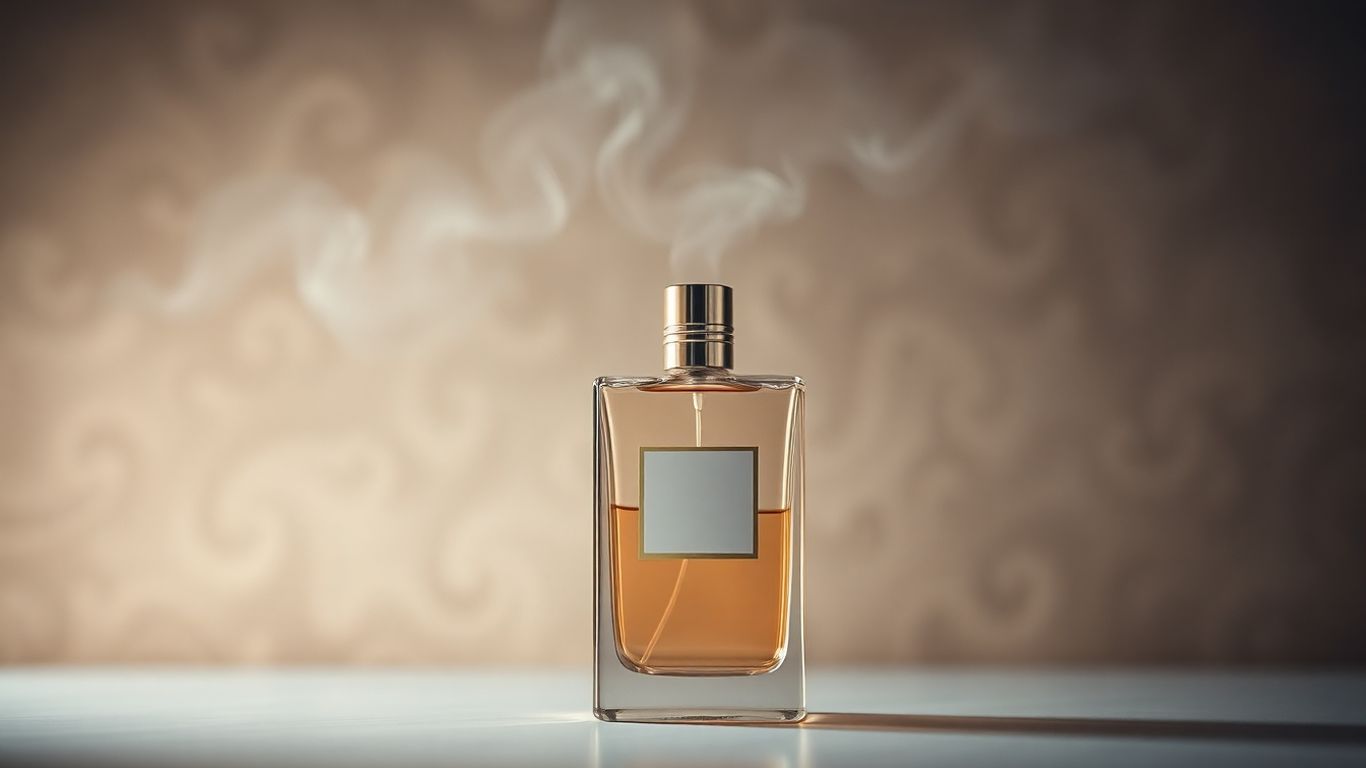
When we talk about perfumes, we often hear terms like 'sillage' and 'projection'. It can be a bit confusing, right? We've all been there, trying to figure out if a scent will just sit on our skin or if it'll leave a trail wherever we go. Basically, these terms help us understand how a fragrance behaves once it's on you.
Defining the scent's reach and presence
Think of projection as how far the scent radiates from your skin. Is it a subtle whisper that only someone very close can detect, or is it a noticeable aura that others can pick up on from a few feet away? It’s about the immediate presence of the scent in the air around you. It’s the initial announcement of your perfume.
Sillage, on the other hand, is more about the scent trail you leave behind as you move. It’s that lingering scent that follows you, like a beautiful memory. A good sillage means people can smell your perfume even after you've walked past. It’s the invisible signature you leave in a room.
The difference between sillage and projection
So, what’s the real difference? Projection is about the scent bubble immediately around you, while sillage is the scent that lingers behind you as you move. You can have a perfume that projects strongly but has weak sillage, meaning it's noticeable when someone is near but doesn't leave much of a trail. Conversely, some scents might have a softer projection but a beautiful, lingering sillage. It really depends on the perfume's composition and how it interacts with your skin. We've found that understanding this distinction helps us pick scents that do exactly what we want them to do, whether that's a subtle personal enjoyment or a more noticeable statement.
Factors influencing scent longevity and diffusion
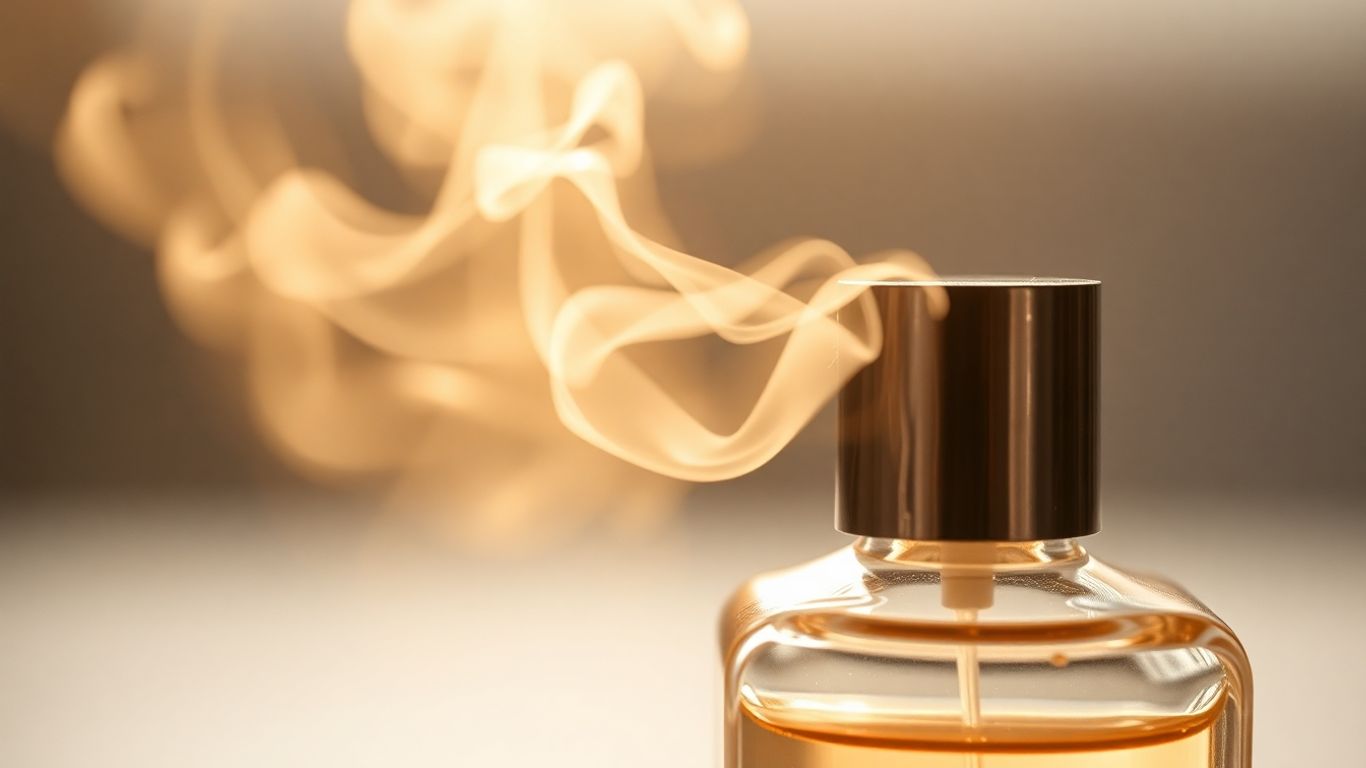
So, we've chatted about what sillage and projection actually are, but what makes one scent stick around and waft beautifully, while another seems to vanish before we've even left the house? It turns out, quite a few things play a part. It's not just about the perfume itself; our own bodies and how we treat the scent matter a lot.
How skin type affects fragrance performance
Our skin is like a unique canvas for fragrance, and it really does behave differently depending on its type. If you've got drier skin, you might find that your favourite scent fades away a bit quicker. This is because dry skin tends to absorb the oils in the perfume more readily. On the flip side, if your skin is on the oilier side, those oils can actually help to hold onto the fragrance molecules for longer, giving you a more enduring scent experience. It's not just about being dry or oily, though; the natural pH level of our skin can also subtly alter how the different notes of a fragrance develop and interact. It's a bit like how different fabrics take dye differently – each skin type is unique.
The role of application technique
How we apply our perfume can make a surprising difference to how long it lasts and how far it travels. We've all heard about spraying on pulse points, right? That's because the blood flow near the surface of the skin at places like your wrists, neck, and behind your ears generates a bit of warmth, which helps to diffuse the scent. But here's a tip we often forget: don't rub your wrists together after spraying! It might feel natural, but doing so can actually break down the delicate top notes of the fragrance, making the scent fade faster and altering its intended development.
Here are a few pointers to keep in mind:
- Pulse Points: Apply to areas where your body heat is naturally higher, like your neck, wrists, and behind your ears.
- Don't Rub: Gently let the fragrance dry on your skin without friction.
- Layering: Using a matching scented lotion or body oil before your perfume can create a fantastic base, helping the scent to last much longer.
Applying fragrance correctly is key to getting the most out of it. Think of it as setting the stage for the scent to perform at its best, rather than just a quick spritz and go.
Quality and concentration of ingredients
This is a big one. The actual stuff that goes into the perfume makes a huge difference. Higher quality ingredients, especially natural oils, tend to be more complex and can evolve beautifully on the skin, lasting longer. Cheaper or synthetic ingredients might not have the same staying power or can sometimes smell a bit flat as they dry down. The concentration of these perfume oils is also super important. A higher concentration means more of the good stuff, which usually translates to a stronger, longer-lasting scent. It's why an Eau de Parfum generally lasts longer than an Eau de Toilette, for example.
| Ingredient Type | Impact on Longevity & Diffusion |
|---|---|
| High-Quality Naturals | Often better longevity, richer diffusion |
| Synthetic Compounds | Varies greatly; some fade fast |
| Higher Oil Concentration | Stronger projection, longer wear |
| Lower Oil Concentration | Lighter presence, shorter wear |
Exploring different fragrance concentrations
Eau de Cologne: Light and fleeting
When we talk about fragrance concentrations, we're really talking about how much of the actual scent stuff – the perfume oils – is mixed with the alcohol and water base. Eau de Cologne, or EdC, is at the lighter end of the spectrum. Think of it as a gentle whisper of scent rather than a loud declaration. It typically contains about 2-4% perfume oils. This means it won't hang around for ages, usually lasting just a couple of hours. It's perfect for those days when you just want a subtle hint of freshness, maybe after a shower or on a really warm afternoon when you don't want anything too heavy.
Eau de Toilette: Moderate and versatile
Moving up a notch, we have Eau de Toilette, or EdT. This is probably the most common type you'll find. It has a bit more oomph than an EdC, usually sitting between 5-15% perfume oil concentration. An EdT is a great all-rounder. It’s noticeable but not overwhelming, making it suitable for everyday wear, whether you're heading to the office or meeting friends for lunch. You can expect it to last for a good few hours, maybe three to five, before it starts to fade. It’s a solid choice if you like to reapply a little during the day or if you prefer your scent to be present but not the main event.
Eau de Parfum: Rich and enduring
Now we're getting into the richer territory with Eau de Parfum, or EdP. This concentration steps up the game significantly, typically containing 15-20% perfume oils. Because there's more of the good stuff in there, an EdP will last much longer on your skin, often for six hours or more, and its scent profile can develop and change over time. It’s a more substantial fragrance, offering a deeper and more complex aroma. EdPs are fantastic for when you want your scent to make a statement and last through an evening out or a long day. They feel more luxurious and are a popular choice for those who want their fragrance to be a noticeable part of their presence.
Extrait de Parfum: Intense and potent
At the very top of the concentration pyramid is Extrait de Parfum, sometimes just called Parfum or Pure Perfume. This is the heavyweight champion, boasting the highest percentage of perfume oils, usually between 20-30%, sometimes even more. This concentration means it's incredibly potent and long-lasting, often staying on the skin for eight hours or even longer. A little goes a very, very long way with Extrait de Parfum. It’s usually reserved for special occasions or for those who truly want an intense, immersive scent experience. Because it's so concentrated, it often comes in smaller, more precious bottles and can be quite an investment, but the longevity and depth of scent are unparalleled.
Here's a quick look at how they stack up:
| Fragrance Type | Perfume Oil Concentration | Typical Longevity |
|---|---|---|
| Eau de Cologne (EdC) | 2-4% | 1-2 hours |
| Eau de Toilette (EdT) | 5-15% | 3-5 hours |
| Eau de Parfum (EdP) | 15-20% | 6+ hours |
| Extrait de Parfum | 20-30%+ | 8+ hours |
The art of scent composition and its impact
When we talk about perfumes, it's not just about smelling nice; it's about how they're put together. The way a scent is crafted by a perfumer has a massive effect on how it behaves on our skin – how long it lasts and how far it travels. It’s a bit like cooking, really. You can have the best ingredients, but if you don't know how to combine them, you won't get a great dish. The same applies to fragrance.
How perfumers craft a lasting impression
Perfumers, often called 'noses', are essentially artists who work with scent. They select and blend a huge variety of aromatic compounds, both natural and synthetic, to create a specific olfactory experience. They think about the journey a scent will take, from the first spritz to the lingering dry-down. This involves understanding how different notes interact and evolve over time. They might use top notes that are bright and fleeting, middle notes that form the heart of the fragrance, and base notes that are richer and stick around for hours. The careful layering and balancing of these notes are what give a perfume its character and longevity. It’s a complex process that requires a deep knowledge of chemistry and a good nose, obviously!
Natural versus synthetic ingredients
We often hear about natural versus synthetic ingredients, and it’s a big deal in perfumery. Natural ingredients, like essential oils from flowers, woods, and spices, offer a beautiful complexity and a certain 'realness'. However, they can be inconsistent, expensive, and sometimes cause allergic reactions. Synthetics, on the other hand, are created in a lab. They can mimic natural scents, create entirely new aromas that don't exist in nature, and are often more stable and affordable. Many modern perfumes use a blend of both. For instance, a synthetic musk might be used to make a scent last longer, while a natural rose absolute provides a richer, more nuanced floral heart. It’s all about finding the right combination to achieve the desired effect.
The influence of fixatives on scent longevity
Ever wondered why some perfumes seem to vanish after an hour, while others are still noticeable the next day? A lot of that comes down to fixatives. These are special ingredients, often heavier molecules, that are added to a fragrance to slow down the evaporation of the lighter, more volatile scent compounds. Think of them as anchors for the scent. Traditionally, animal-derived ingredients like ambergris or civet were used, but nowadays, many synthetic fixatives are common. They help to make the fragrance last longer on the skin and also help to round out the overall scent profile, making it smoother and more cohesive. Without good fixatives, even the most beautiful scent would just disappear too quickly.
The magic of a perfume isn't just in its initial smell, but in its entire lifecycle on your skin. Perfumers are like alchemists, blending science and art to create scents that tell stories and linger in our memories.
Maximising your fragrance experience
So, we've talked about what sillage and projection actually are, and how different concentrations play a role. Now, let's get practical. How can we make sure our favourite scents work their best for us, day in and day out? It's not just about spraying and walking away; there are a few tricks we can use to get more out of our perfumes.
Tips for enhancing scent projection
Want your fragrance to be noticed, but not in an overwhelming way? It's all about smart application. Think of it like seasoning food – a little goes a long way if you do it right. We want people to catch a pleasant whiff as you pass, not be hit by a wall of scent.
- Target pulse points: These are areas where your blood vessels are closer to the skin, generating heat. Think wrists, the base of your throat, behind your ears, and the inner elbows. The warmth helps diffuse the scent.
- Apply to moisturised skin: Dry skin can absorb fragrance quickly. Applying to skin that's been moisturised (ideally with an unscented lotion) gives the scent something to cling to, helping it last longer and project better.
- Consider your clothing: Spraying on fabric can sometimes help a scent last longer, as it doesn't interact with skin chemistry. However, be cautious with delicate materials, as some fragrances can stain.
Strategies for longer-lasting fragrance
Getting a scent to stick around is a common goal. It means you can enjoy your chosen aroma for longer without needing to reapply constantly. It’s about building a subtle scent profile that evolves throughout the day.
- Layering is key: If you have a scented body lotion or shower gel from the same fragrance line, use them! This creates a base layer that helps the main perfume last much longer. It’s like building a scent foundation.
- Avoid rubbing: After spraying your wrists, resist the urge to rub them together. This can break down the delicate top notes of the fragrance, altering the scent and making it fade faster.
- Reapply strategically: For a midday boost, a light spritz on your scarf or the inside of your jacket can refresh the scent without being too much.
The importance of proper storage
How we store our perfumes can make a big difference to their lifespan and how they smell over time. Exposure to the wrong conditions can really mess with the delicate balance of fragrance oils.
- Keep them cool: Heat is the enemy of perfume. Store your bottles in a cool, consistent temperature, away from radiators or direct sunlight.
- Avoid humidity: That lovely bathroom cabinet might seem like a good idea, but the humidity can degrade the fragrance oils. A dresser or a dedicated shelf in a cooler room is a better bet.
- Store in the dark: Light can also break down perfume. Keeping bottles in their original boxes or in a dark cupboard helps preserve their integrity.
Taking a little care with how and where we apply our fragrances, and how we store them, can really make a difference. It’s about getting the most enjoyment from our scents, ensuring they perform as we hope, and keeping them smelling their best for as long as possible. It’s not complicated, just a few mindful steps.
Choosing the right scent for you
Matching fragrance to occasion and season
Picking a scent can feel a bit like choosing an outfit, can't it? It's personal, and it says something about you. We've found that thinking about where you're going and what time of year it is can really help narrow things down. For those warmer months, we tend to reach for something a bit fresher – think citrusy or aquatic notes. They just feel right when the sun's out. Then, as things cool down, we might swap those for something warmer, maybe with woody or spicy undertones. It’s not a hard and fast rule, of course, but it’s a good starting point.
When it comes to occasions, it’s similar. A light, breezy scent might be perfect for a casual weekend brunch, but for an evening out, you might want something a bit more substantial, something that lasts and makes a statement. It’s all about finding that balance.
Considering personal preferences and skin chemistry
This is where it gets really interesting, and honestly, a bit scientific. We all have unique skin chemistry, and what smells one way on one person can smell completely different on another. It’s why we always suggest trying a scent on your skin before you commit. That little spray on your wrist can tell you a lot about how it will develop throughout the day. Some people find that certain notes just don't sit right with their skin, or perhaps they fade away too quickly. Others discover that a particular scent becomes richer and more complex as it interacts with their natural oils. Don't be afraid to experiment; your skin is the ultimate test.
We also find that our personal tastes evolve. What we loved five years ago might not be our go-to now. It’s worth revisiting scents you might have dismissed before, or even trying out entirely new fragrance families. Are you someone who prefers a subtle whisper of scent, or do you like something that announces your arrival? There’s no right or wrong answer, just what feels right for you at this moment.
Decoding marketing and ingredient transparency
It can be a bit of a minefield out there with all the marketing speak, can't it? We’ve noticed that sometimes the way a fragrance is presented doesn't always tell the whole story. That’s why we try to look beyond the fancy bottles and evocative descriptions. Understanding the basic concentrations, like Eau de Toilette versus Eau de Parfum, can be really helpful. Generally, the higher the concentration, the longer the scent will last and the more potent it will be.
Here’s a quick rundown we find useful:
- Eau de Cologne (EDC): Usually around 2-5% fragrance oil. It’s light and refreshing, great for a quick pick-me-up.
- Eau de Toilette (EDT): Typically 5-15% fragrance oil. A good all-rounder, suitable for daily wear.
- Eau de Parfum (EDP): Generally 15-20% fragrance oil. This one lasts longer and has more presence.
- Extrait de Parfum (Parfum): The strongest, often 20-30% or more fragrance oil. Best for special occasions when you want a scent that truly endures.
We’ve also found that knowing a bit about the ingredients can make a difference. While not always readily available, transparency about whether a scent leans more towards natural or synthetic components can guide choices, especially for those with sensitivities or specific preferences. It’s about making an informed decision that feels good for you.
So, What's the Takeaway?
Right then, we've had a good old natter about sillage and projection, and hopefully, it all makes a bit more sense now. It's not just about smelling nice, is it? It's about how that scent hangs around and how far it travels. We've seen that things like how much oil is in the bottle, what ingredients are used, and even our own skin can play a part. So next time you're picking out a scent, you'll know a bit more about what you're getting into, whether you want something that whispers or something that makes a bit more of a statement. Happy spritzing!
Frequently Asked Questions
What's the real difference between 'sillage' and 'projection' when we talk about perfume?
Think of 'projection' as how far your scent travels from your skin – like a little cloud around you. 'Sillage', on the other hand, is the trail your scent leaves behind as you move, like a whisper of fragrance following you. So, projection is about presence, and sillage is about the lingering effect.
Does how we put perfume on actually make a difference?
Absolutely! Applying perfume to pulse points, like your wrists or neck, where your body heat is higher, helps the scent bloom and project more. Also, avoid rubbing your wrists together after spraying – it can break down the scent molecules and make it fade faster. Gently patting is better!
Why does perfume sometimes smell different on me compared to my friend?
It's all down to our unique skin chemistry! Our skin's natural oils and its pH level can change how a fragrance smells and how long it lasts. Dry skin tends to make scents fade quicker, while oilier skin can hold onto them for longer. It’s like your skin is a personal interpreter for the perfume.
What does it mean when a perfume is called an 'Eau de Parfum' or 'Eau de Toilette'?
These terms refer to how much concentrated perfume oil is in the bottle. 'Eau de Parfum' (EDP) has more oil, so it's stronger and lasts longer. 'Eau de Toilette' (EDT) has less oil, making it lighter and often better for everyday wear. Think of it as different levels of scent intensity.
How can we make our favourite scents last longer throughout the day?
To make your scent stick around, try layering! Use a matching scented lotion or body wash before applying your perfume. You can also reapply a little bit during the day, focusing on pulse points. And always store your perfume in a cool, dark place, away from heat and light, to keep it fresh.
Are natural ingredients always better for making a scent last?
Not necessarily. While high-quality natural ingredients can definitely contribute to a beautiful, long-lasting scent, synthetic ingredients are also expertly crafted by perfumers to be stable and enduring. The key is the quality and how well the ingredients are blended together by the perfumer, rather than just whether they're natural or synthetic.