We all have that one smell, don't we? The one that just feels like 'us'. Maybe it's the scent of old books, fresh rain, or a specific flower. Well, it turns out that feeling can be bottled! Finding what is a signature scent is all about discovering a fragrance that doesn't just smell nice, but actually feels like an extension of who you are. It’s a bit like finding your favourite jumper or the perfect pair of jeans – it just fits. We're going to explore how to find that special something, that olfactive calling card that makes people think of you.
Key Takeaways
- A signature scent is more than just a perfume; it's a personal aroma that becomes part of your identity, like an olfactive calling card.
- Understanding fragrance families (floral, oriental, woody, fresh) helps you identify scents that align with your personality and preferences.
- Perfume concentrations vary, affecting how long a scent lasts – from intense parfum to lighter eau de toilette.
- Testing fragrances on your skin is vital, as body chemistry changes how a scent develops over time.
- Consider your lifestyle, the seasons, and your personal style when choosing a scent that feels authentic to you.
What is a signature scent?
The personal connection to fragrance
We all have things that just feel like us, don't we? Maybe it's a certain style of clothing, a favourite mug, or even the way we arrange our bookshelves. A signature scent is a bit like that, but for our smell. It’s a fragrance that we choose, and that, in turn, starts to feel like an extension of ourselves. It’s not just about smelling nice; it’s about finding a scent that genuinely connects with who we are on the inside and how we want to present ourselves to the world. It’s a deeply personal choice, and when you find the right one, it just clicks.
More than just a pleasant aroma
Think about it – a scent can bring back a memory from years ago in an instant, or completely change how you feel about a situation. A signature scent does this too, but on a more consistent basis. It’s more than just a pleasant aroma; it’s a mood setter, a confidence booster, and a way to communicate without saying a word. It’s the invisible accessory that completes your look and leaves a lasting impression long after you’ve left a room. It becomes part of your personal story.
An olfactive calling card
Imagine walking into a room and people subtly noticing your presence, not just because you're there, but because they recognise your scent. That's the power of an olfactive calling card. It’s a fragrance that becomes so associated with you that people might even think of you when they smell it elsewhere. It’s a unique identifier, a way to be remembered. It’s not about being overpowering, but about having a distinct and pleasant aroma that people come to associate with you. It’s like your personal scent-stamp on the world.
Understanding the language of fragrance families
So, how do we even begin to talk about what a perfume smells like? It's not just a random mix, you know. Perfumes are built using different scent categories, kind of like how music has genres. Knowing these main families can really help us figure out what we're drawn to. It stops it from being a total guessing game and makes finding something special a bit more straightforward.
Floral notes for romance
This is probably the most classic family out there. Think of walking through a garden bursting with flowers – that's the vibe. These scents are often seen as romantic and feminine, and they can range from smelling like just one flower to a whole bouquet. You'll often find notes like rose, jasmine, lily, and gardenia in this group. They're lovely for when you want to feel a bit elegant or just enjoy something pretty.
Oriental scents for warmth
These are the ones that feel cosy and a bit exotic. Oriental, or sometimes called Amber, fragrances are usually richer and warmer. They often use notes like vanilla, spices (think cinnamon or cardamom), and resins. They're great for evenings or when you want something that feels a bit more sensual and comforting. They have a real depth to them.
Woody aromas for grounding
If you like scents that feel earthy and solid, you'll probably lean towards woody fragrances. These use notes like sandalwood, cedarwood, and vetiver. They give off a feeling of being grounded and can be quite sophisticated. They're not just for men, either; many women enjoy the comforting and stable feel of woody notes.
Fresh fragrances for invigoration
These are the pick-me-ups of the perfume world. Fresh scents are all about feeling clean, bright, and energised. They often include citrus notes like lemon or bergamot, green notes, or even aquatic smells. They're perfect for daytime wear, especially in warmer weather, and give you that feeling of a clean slate.
Understanding these families is like learning a new language. Once you know the basic words, you can start to understand the stories perfumes are trying to tell. It’s not about memorising every single note, but about recognising the general feeling or character a scent family evokes.
Decoding perfume concentrations
The lasting power of parfum
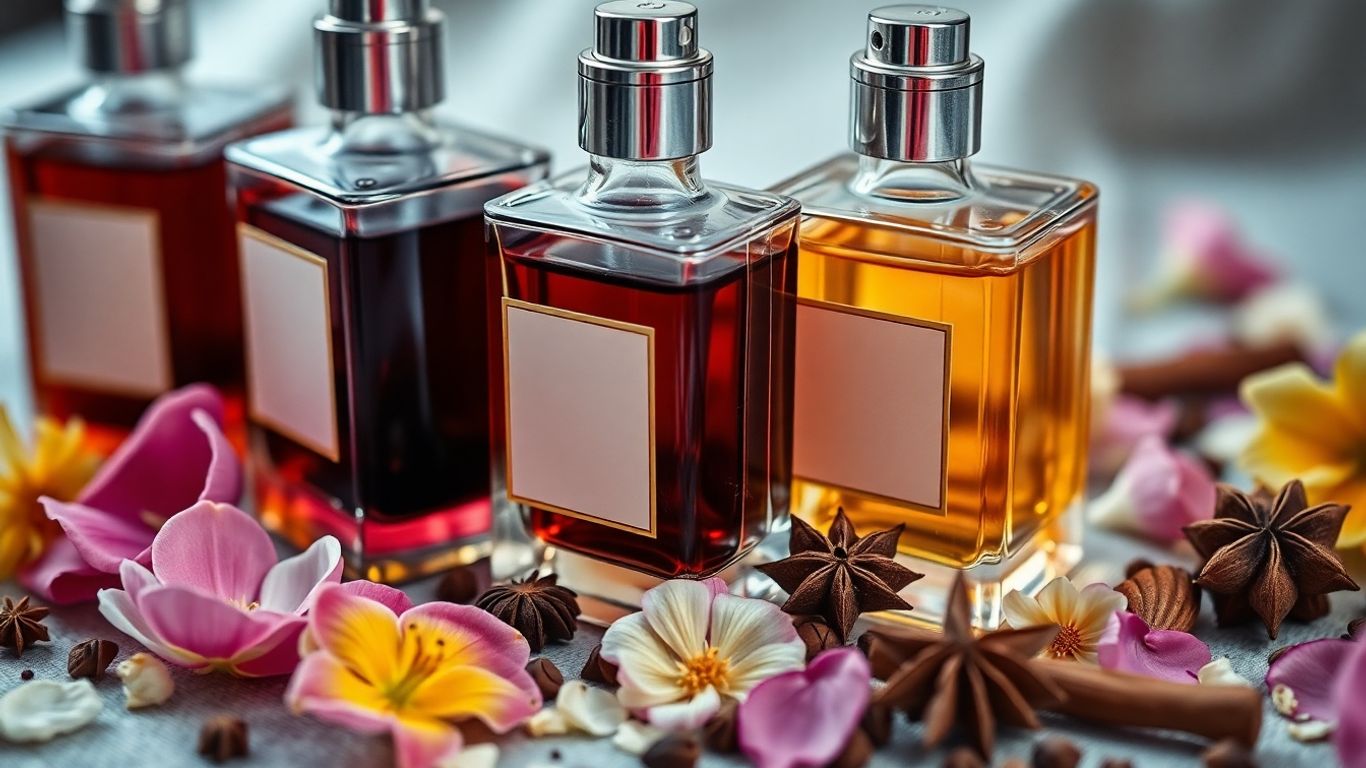
Ever wondered why some perfumes seem to vanish before your first cuppa, while others stick around all day? It’s all down to the concentration of fragrance oils. Think of it like making a strong coffee versus a weaker one; the intensity and how long it lasts are completely different. These aren't just fancy French words on a bottle; they're clues to how potent and long-lasting your scent will be.
The higher the concentration of perfume oil, the stronger and more enduring the fragrance. This is the key thing to remember when you're trying to figure out which scent is right for you.
Here's a quick rundown of what those terms usually mean:
- Parfum (or Extrait de Parfum): This is the top tier, the richest of the rich. It packs a serious punch with about 20-30% perfume oil. A single spritz can genuinely last you all day, making it perfect for those really special moments. Because it's so concentrated, it's usually the priciest option, but a little goes a very long way.
- Eau de Parfum (EDP): This is probably what you'll see most often, and for good reason. It hits a sweet spot with 15-20% perfume oil. It offers a great balance, usually giving you a good six to eight hours of scent. It’s a solid choice for everyday wear if you want your fragrance to be noticeable without being overpowering.
- Eau de Toilette (EDT): This is a lighter option, typically containing 5-15% perfume oil. It's great for a more subtle presence and usually lasts around three to four hours. If you prefer to reapply throughout the day or just want a gentle hint of fragrance, an EDT is a good bet.
- Eau de Cologne (EDC): The lightest of the bunch, with only 2-5% perfume oil. It's designed for a quick, refreshing burst and usually fades within about two hours. Think of it as a pick-me-up rather than a long-lasting statement.
Understanding these concentrations helps you choose a fragrance that fits your day. Do you need something that lasts through a long workday, or just a light spritz for a quick outing? Knowing the concentration gives you a good idea of what to expect.
Lighter options for subtle notes
Sometimes, you don't want your perfume to announce your arrival from across the room. That's where the lighter concentrations, like Eau de Toilette and Eau de Cologne, come into their own. They offer a more delicate scent experience, perfect for those days when you want to feel subtly perfumed rather than making a bold statement. They're also fantastic for warmer weather when heavier scents can feel a bit much, or if you work in an environment where strong smells aren't ideal. Plus, they're often more budget-friendly, making it easier to experiment with different scents without breaking the bank. You might find yourself reaching for these lighter options more often than you think, especially for casual daytime wear or when you just want a gentle, refreshing aura.
The art of testing and selection
Finding that perfect scent isn't just about sniffing a few bottles in a shop. It's a bit more involved, really. We need to give fragrances a proper chance to show us what they're made of, and that means letting them mingle with our own unique skin chemistry. It’s the only way to know if a scent is truly going to be ours.
Why Skin Chemistry Matters
Ever wondered why a perfume smells amazing on your friend but just… okay on you? That's your skin chemistry at play. Our bodies are warm, and everyone's skin is a little different – it can change how a fragrance smells. So, what smells like a dream on one person might be a bit of a let-down on another. The most important rule is to always test a fragrance on your own skin. Paper strips are fine for a first impression, but they don't tell the whole story.
Experiencing the Full Fragrance Journey
When you're trying out a new scent, don't just give it a quick sniff and walk away. Perfumes are like little stories that unfold over time. They have top notes that you smell right away, then middle notes that come out a bit later, and finally, base notes that linger for hours. To really get to know a fragrance, you need to stick around and experience all these stages. It’s a bit like watching a film – you wouldn't judge it after just the opening credits, would you?
Here’s a good way to go about it:
- Spray the scent onto your pulse points – think your wrists or the crook of your elbow. These areas are warmer and help the fragrance develop.
- Resist the urge to rub your wrists together! This actually breaks down the scent molecules and can make the fragrance smell different than intended.
- Give it time. Let the scent settle for at least 20 minutes, ideally longer, before deciding if you like it.
- Try not to test too many scents at once. Your nose can get overwhelmed, and you won't be able to tell them apart.
Allowing Scents to Develop
That initial spray you get from a perfume bottle? It's often a burst of alcohol and the very first, fleeting notes. These are called the top notes, and they disappear pretty quickly. What you really want to pay attention to are the heart notes and the base notes. The heart notes usually appear after about 15-20 minutes, and the base notes can take an hour or more to really come through. They're the deeper, longer-lasting part of the fragrance that will stick with you throughout the day. So, be patient! Let the perfume do its thing on your skin. It’s the only way to truly understand its character and see if it’s a good fit for you.
Trying out a new perfume is an adventure. It’s about patience and paying attention to how the scent changes and interacts with you over several hours. Don't rush the process; let the fragrance reveal itself layer by layer.
Considering your lifestyle and preferences
Our daily lives are a tapestry of routines, activities, and personal style. The scent we choose should feel like a natural extension of that, not something that clashes with our rhythm. Think about your typical week. Are you always on the go, dashing from one appointment to the next? Or do you prefer a more relaxed pace, with plenty of time for quiet reflection? Your lifestyle can really influence what kind of fragrance feels right.
Matching scent to your daily rhythm
For those of us with busy schedules, a lighter, fresher scent might be the perfect companion. Something that invigorates without being too heavy, perhaps a citrus or a clean, green note. It’s like a subtle pick-me-up throughout the day. On the other hand, if your days are more about comfort and calm, a warmer, softer fragrance could be more fitting. Imagine a scent that wraps around you like a cosy blanket – think vanilla, tonka bean, or gentle musks. It’s about finding a fragrance that supports your energy levels, rather than competing with them.
Seasonal scent considerations
Just like our wardrobes, our fragrance choices can change with the seasons. Summer might call for bright, zesty notes that evoke sunshine and long days. Think grapefruit, bergamot, or even a hint of coconut. As autumn rolls in, we might gravitate towards richer, spicier scents. Warm amber, cinnamon, or woody notes can feel wonderfully comforting when the weather turns cooler. Winter often suits deeper, more opulent fragrances, while spring can bring a return to lighter florals and fresh, green aromas. It’s a lovely way to mark the passage of time and keep our scent choices feeling current and appropriate.
Reflecting your personal style
Ultimately, your signature scent is a form of self-expression. It’s a way to communicate who you are without saying a word. Consider your general aesthetic. Do you lean towards minimalist, classic looks? Perhaps a clean, understated fragrance would be your best bet. If your style is more bohemian and free-spirited, you might be drawn to more exotic, complex scents with floral or woody undertones. Your perfume should feel like the final, perfect accessory to your personal style. It’s not just about smelling good; it’s about feeling authentically yourself.
Here’s a little guide to help you think about it:
- Active & Outdoorsy: Look for fresh, clean notes like aquatic accords, green tea, or light citrus. These scents are invigorating and won't feel heavy during physical activity.
- Classic & Elegant: Consider sophisticated florals, subtle woods, or powdery notes. These offer a refined aroma that complements a polished look.
- Creative & Expressive: Don't shy away from unique combinations. Think gourmand notes, unusual spices, or bold floral bouquets. These scents make a statement.
- Cosy & Comfort-Seeking: Warm vanilla, soft amber, creamy sandalwood, and gentle musks create a comforting and inviting aura.
Choosing a fragrance that aligns with your lifestyle and personal style is key. It’s about finding a scent that feels like a natural extension of you, enhancing your everyday experiences and making you feel confident and true to yourself.
The emotional power of scent
Fragrance as a memory trigger
We all have those smells that just instantly take us back, don't we? Maybe it's the scent of freshly cut grass that reminds you of summer holidays at your grandparents', or perhaps a certain perfume brings to mind a specific person or a memorable night out. It's pretty wild how powerful our sense of smell is. It's directly linked to the part of our brain that handles emotions and memories, which is why a whiff of something familiar can transport us back in time in a heartbeat. It’s like having a personal time machine, all bottled up.
How scent influences mood
Beyond just triggering memories, scents can actually change how we feel. Think about it: a bright, citrusy smell might make you feel more awake and cheerful, perfect for a sluggish Monday morning. On the other hand, something warm and spicy, like cinnamon or vanilla, can feel incredibly comforting and cosy, ideal for a quiet evening in. We often pick scents without even realising it because they align with how we want to feel, or how we want others to perceive us. It’s a subtle but effective way to set the tone for our day or a particular occasion.
Using fragrance to express yourself
Ultimately, the fragrance we choose becomes a part of our identity. It’s a way to communicate who we are, or who we aspire to be, without saying a word. It’s not just about smelling nice; it’s about wearing something that feels authentically you. Whether you’re drawn to something bold and attention-grabbing or prefer a more understated, gentle aroma, your signature scent is a personal statement. It’s a quiet declaration of your style, your mood, and your inner self. It’s about finding that one scent that just clicks, making you feel confident and complete.
Evolving your scent journey
So, you've found a scent that feels like you. Brilliant! But here's the thing about fragrance – it's not a static decision. Our lives change, our moods shift, and what felt perfect last year might not quite hit the mark today. Think of your scent journey as an ongoing conversation, not a final destination.
Layering for Unique Combinations
Ever thought about mixing scents? It might sound a bit wild, but done right, it can create something truly special and personal. Start simple. Maybe layer a scented body lotion from your favourite fragrance line with its matching eau de parfum. Or, try pairing a lighter, fresher body mist over a more complex base scent for a subtle twist. It’s all about experimenting to see what works for your nose and your skin. You could even try layering a subtle vanilla body oil under a floral perfume to add a touch of warmth and depth. The possibilities are pretty much endless, and it’s a great way to get more mileage out of the bottles you already own.
Revisiting Preferences Over Time
It’s completely normal for your tastes to change. What you loved in your twenties might feel a bit too much, or not quite right, in your thirties. Our experiences, the places we go, and even the people we spend time with can influence what we’re drawn to. Try revisiting scents you dismissed before. Your nose might have matured, or your personal style might have evolved, making that 'almost' scent a perfect fit now. It’s worth checking in with yourself every few months – maybe seasonally – to see if your current favourites still feel like a true reflection of who you are.
Embracing Fragrance as a Fluid Expression
Ultimately, fragrance should be a joyful part of your life, not a rigid rulebook. Don't be afraid to have a few different scents for different moods or occasions. Perhaps a bright, zesty one for busy weekdays, a warm, comforting scent for cosy evenings, and something a bit more dramatic for nights out. Your signature scent isn't about being locked into one aroma forever; it's about having a collection that speaks to different facets of your personality. It’s about using scent to express how you feel, right here, right now. It’s a fluid, personal language that grows and changes with you.
So, What's Next?
Right then, we've chatted about what a signature scent actually is and how to go about finding yours. It's not just about smelling nice, is it? It's about finding that one fragrance that just feels like you. Remember to take your time, try things out on your skin, and don't be afraid to experiment. Think about what makes you feel good and what you want to say without even speaking. It’s a bit of a personal quest, but honestly, finding that perfect scent that becomes your little aroma-calling card is pretty rewarding. Go on, have a sniff around and see what you discover!
Frequently Asked Questions
What exactly is a signature scent?
Think of a signature scent as your personal perfume anthem! It's a fragrance that really clicks with you, becoming like your olfactive calling card. It's more than just smelling nice; it's a scent that feels like a part of you, something people might even start to associate with you.
How do I know which scent family is right for me?
It's all about what vibe you're going for! Floral scents are often romantic, while Oriental ones bring warmth. Woody aromas can make you feel grounded, and fresh fragrances are super invigorating. We suggest trying a few from each family to see which ones make you feel your best.
Does it matter how strong the perfume is?
Definitely! Perfumes come in different strengths, called concentrations. 'Parfum' is the strongest and lasts ages, while 'Eau de Parfum' is great for daily wear. 'Eau de Toilette' and 'Eau de Cologne' are lighter and fresher, perfect for a subtle hint of scent.
Why do perfumes smell different on everyone?
It's down to your unique skin chemistry! The oils in a perfume mix with your skin's natural scent, making it smell a bit different on you than on someone else. That's why it's super important to test a scent on your skin before you buy it.
Should I pick a scent based on the season?
You totally can! Lighter, fresher scents like citrus or aquatic notes often feel great in warmer weather, while richer, spicier, or warmer scents like vanilla or amber are lovely for cooler months. But really, wear what makes you happy all year round!
Can I wear more than one perfume?
Absolutely! While a signature scent is wonderful, having a few favourites for different moods or occasions is also great. You can even try 'layering' – wearing a scented lotion or body wash with your perfume to create a more complex and personal aroma.