We've all been there, wandering through the perfume aisles, completely overwhelmed by the sheer number of bottles. It's like trying to pick a favourite song when there are thousands playing at once! But what if we told you there's a simpler way to figure out what you like? It all comes down to understanding the main scent families. Today, we're going to break down what are woody, floral, citrus, and oriental perfumes, so you can start finding scents that really speak to you.
Key Takeaways
- Perfumes are generally grouped into four main families: woody, floral, citrus, and oriental.
- Woody scents are earthy and warm, often using notes like sandalwood and cedarwood.
- Floral perfumes are classic, featuring notes from various flowers like rose and jasmine.
- Citrus fragrances are bright and fresh, with zesty notes from fruits like lemon and bergamot.
- Oriental (or amber) scents are rich and warm, typically using spices, vanilla, and resins.
Understanding the fragrance families
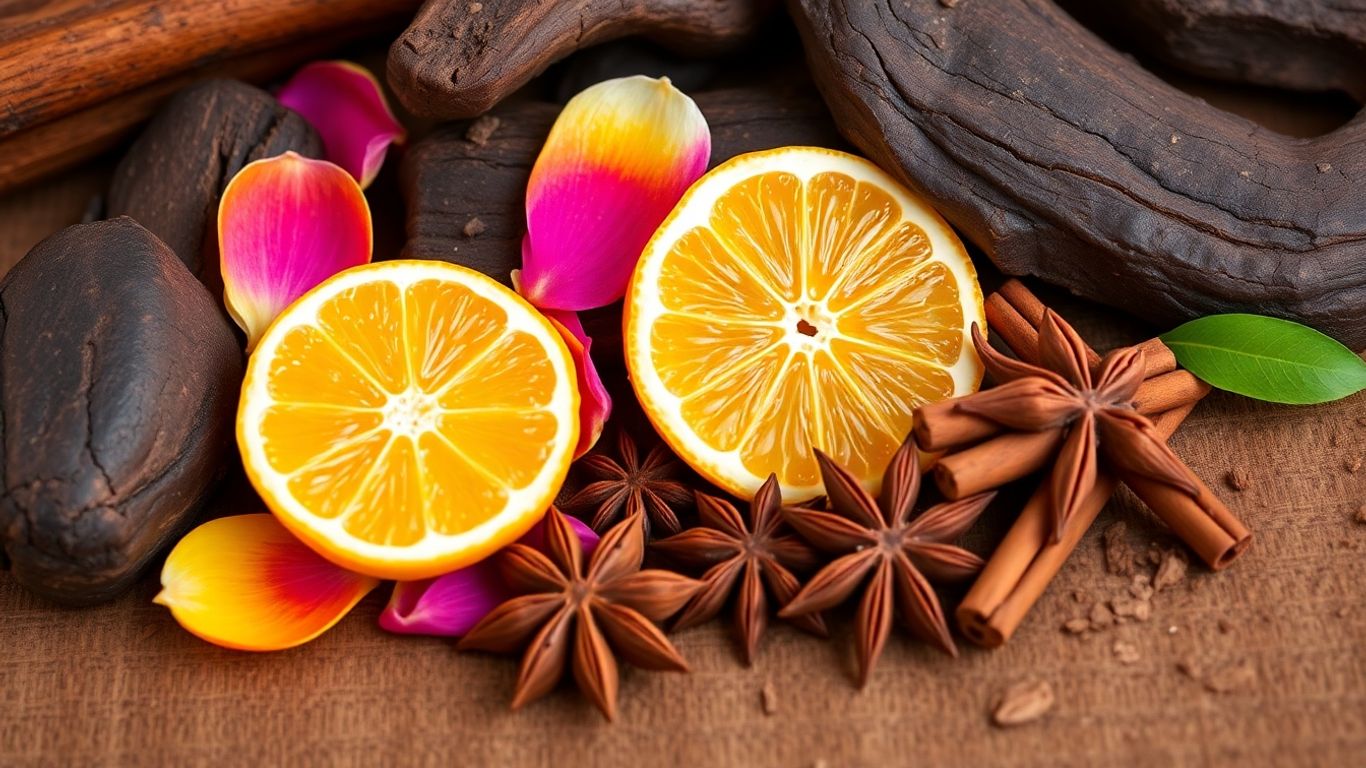
Right then, let's talk about perfume. It can feel a bit overwhelming sometimes, can't it? With so many different smells out there, figuring out what you actually like can be a bit of a puzzle. That's where knowing about the main fragrance families comes in handy. Think of them as your map to finding scents you'll love.
The Perfumer's Fragrance Wheel
So, how do people who make perfumes sort all these smells? They often use something called a 'fragrance wheel'. It's basically a chart that organises different scent types and shows how they relate to each other. It helps everyone, from the pros to us regular folk, to understand the big picture of smells. It's divided into the main groups, and then there are smaller sections within those for more specific notes. It’s a neat way to see how one scent might blend into another, or how they contrast.
Navigating Scent Categories
Knowing these families makes it much easier to talk about what you like. Instead of just saying 'I like flowery smells', you can get more specific. Do you prefer something light and zesty, or rich and warm? This wheel helps us pinpoint those preferences. It's like learning a new language, but for your nose!
Here are the main categories we'll be exploring:
- Floral: Think of all the beautiful flowers – roses, jasmine, lilies. This is a huge family, with scents ranging from light and fresh to deep and heady.
- Woody: This group brings to mind forests and natural materials. Notes like cedarwood, sandalwood, and patchouli give a grounding, earthy feel.
- Citrus: These are your bright, zesty scents. Lemon, bergamot, grapefruit – they're all about freshness and energy.
- Oriental (or Amber): These are the warm, spicy, and often sweet perfumes. Vanilla, cinnamon, and resins are common here, creating a rich, enveloping aroma.
A Visual Guide to Aromas
Imagine a pie chart, but for smells. That's kind of what the fragrance wheel is like. It shows the main slices – Floral, Woody, Citrus, and Oriental – and then smaller wedges within those for things like 'Fruity Floral' or 'Spicy Oriental'. It’s a really useful tool for visualising the whole scent spectrum. Understanding these basic categories is the first step to finding your perfect perfume.
Perfume isn't just about smelling nice; it's about evoking feelings and memories. Each scent family taps into different emotions and experiences, from the calm of a forest to the vibrancy of a summer garden.
The woody fragrance family
When we think about woody scents, we're immediately transported to the great outdoors, aren't we? It’s like taking a walk through a dense forest or a quiet garden filled with the scent of aged timber. These fragrances are all about grounding us, bringing a sense of calm and sophistication with notes that feel earthy and natural.
Evoking forests and natural materials
This family really leans into the smells of the earth. Think about the rich aroma of sandalwood, the dry, clean scent of cedarwood, or the deep, slightly sweet smell of patchouli. Vetiver, with its smoky, root-like character, also plays a big part. These aren't just random smells; they're carefully chosen to create a feeling of being connected to nature. It’s the scent of ancient trees and fertile soil, bottled up for us to enjoy.
Key notes and characteristics
The core of woody perfumes usually comes from these natural materials. They often form the base notes, giving the fragrance its lasting power and depth. You might also find hints of spice, like cardamom or pepper, which add a bit of warmth and complexity without overpowering the woodsy feel. Sometimes, a touch of moss or leather can be introduced, adding even more texture and richness.
Here are some of the most common woody notes we encounter:
- Sandalwood: Creamy, smooth, and slightly sweet.
- Cedarwood: Dry, pencil-shaving-like, with a clean finish.
- Patchouli: Earthy, dark, and sometimes a bit camphoraceous.
- Vetiver: Smoky, green, and deeply grounding.
- Oakmoss: Damp, forest-floor aroma.
Timeless and versatile scents
What's great about woody fragrances is how adaptable they are. They work for pretty much any occasion, whether it's a casual day out or a more formal evening event. They have a certain gravitas, a timeless quality that makes them feel both classic and modern. We find that these scents often appeal to people who appreciate subtlety and a connection to the natural world. They’re the kind of perfumes that feel comforting and reliable, like a favourite old jumper or a well-loved book.
The floral fragrance family
We're diving into the heart of perfumery now, the floral family. Honestly, it's probably the one most people think of first when they hear 'perfume'. It’s a massive category, covering everything from the softest, most delicate petals to the really bold, almost intoxicating blooms. Think of it as a whole garden in a bottle.
The heart of perfumery
Florals are the backbone of so many scents we love. They’re incredibly versatile, forming the basis of countless perfumes. We're talking about notes that can be light and airy, like lily of the valley, or deep and velvety, like a rich rose. It’s this sheer variety that makes them so enduringly popular. They can be romantic, cheerful, sophisticated – you name it.
Iconic floral notes
When we talk about iconic floral notes, a few really stand out. Rose is a classic, of course, but then there's jasmine, with its heady, almost narcotic sweetness, especially potent at night. Tuberose is another big one; it's creamy, opulent, and can be quite powerful. And let's not forget iris, which often brings a powdery, sophisticated, almost root-like quality. These aren't just pretty smells; they have real depth and character.
Here are some of the stars of the floral show:
- Rose: The queen of flowers, offering countless facets from fresh and dewy to jammy and dark.
- Jasmine: Known for its intense, sweet, and sometimes indolic (animalic) aroma, often used in luxurious blends.
- Tuberose: A creamy, powerful white floral with a distinctive, almost spicy sweetness.
- Lily of the Valley: Delicate, fresh, and green, evoking springtime purity.
- Violet: Can be powdery and sweet, or green and leafy, depending on the interpretation.
- Gardenia: Rich, creamy, and intoxicating, a truly decadent floral.
Romantic and elegant appeals
There's just something inherently romantic and elegant about floral scents. They often evoke feelings of beauty, grace, and femininity. Whether it's a simple bouquet of fresh blooms or a complex arrangement of exotic flowers, these fragrances have a way of making us feel special. They're perfect for those moments when you want to feel a bit more polished, a bit more put-together, or just want to carry a little bit of natural beauty with you throughout the day. They really do have a timeless appeal, don't they?
We find that floral fragrances often have a way of connecting us back to nature, even when we're miles away from the nearest park. It's like carrying a little piece of a blooming garden with you, a constant reminder of beauty and freshness.
The citrus fragrance family
When we think about feeling instantly refreshed, our minds often go straight to citrus. This family is all about those bright, zesty aromas that just lift your mood. Think of the peel of a lemon, the tang of grapefruit, or the sweet burst of an orange – that's the heart of citrus scents. They're like a splash of cool water on a warm day, really invigorating and clean.
Zesty notes and vibrant character
These perfumes are built around notes like bergamot, which has a slightly floral, spicy edge, alongside the sharper notes of lemon and lime. You'll also find mandarins, with their sweeter, softer profile, and sometimes even grapefruit for that extra bit of tartness. What's great about these scents is how they can really change the atmosphere around you. They're not heavy or overpowering; instead, they bring a sense of clarity and energy. It's the perfect family for when you want to feel awake and ready to take on the day.
Energy and clarity in scent
Citrus fragrances are fantastic for daytime wear, especially when the weather's warmer. They just feel right when you're out and about, whether you're heading to work, meeting friends for lunch, or just enjoying a stroll. They don't tend to linger as heavily as some other fragrance families, which makes them ideal for reapplying throughout the day if you need a little pick-me-up. They're often described as being very uplifting, and we definitely agree. It’s like wearing bottled sunshine, really.
Here are some common citrus notes we often encounter:
- Bergamot
- Lemon
- Lime
- Orange
- Grapefruit
- Mandarin
We find that citrus notes can sometimes be a bit fleeting on their own, so perfumers often blend them with other elements. This might include light florals, subtle woods, or even a touch of green notes to give them more structure and longevity, creating a more complex and interesting scent profile while still keeping that signature brightness.
The oriental fragrance family
Rich, warm, and enveloping scents
When we think about the oriental fragrance family, we're talking about scents that feel like a warm hug. They're rich, often a bit spicy, and they just wrap around you. It’s like stepping into a cosy room filled with exotic spices and sweet incense. These are the kinds of perfumes that make you feel a bit mysterious and definitely luxurious. They tend to be quite long-lasting, too, which is always a bonus.
Vanilla, resins, and spices
So, what actually makes up these scents? Well, you'll often find notes like vanilla, which gives that lovely sweet, creamy feel. Then there are resins – think of things like amber, frankincense, or myrrh. They add a deep, almost smoky or balsamic quality. And of course, spices! Cinnamon, clove, cardamom, nutmeg – these are the stars that give oriental fragrances their signature warmth and kick. Sometimes you'll even find animalic notes or heavy florals mixed in, adding another layer of complexity.
Sensual and luxurious experiences
These fragrances are perfect for when you want to feel a bit special. They’re often favoured for evening wear or for those cooler months when you crave something comforting and deep. Wearing an oriental scent can feel like putting on your most elegant outfit; it’s an instant mood booster and confidence builder. They’re not usually the go-to for a quick spritz on a hot summer day, but for a night out or a special occasion, they really can't be beaten. They create an aura of sophistication and indulgence that’s hard to ignore.
We find that oriental perfumes often have a certain depth that draws you in. It’s not just a fleeting smell; it’s an experience that unfolds over time, revealing different facets of its character as it settles on your skin. It’s this evolving nature that makes them so captivating for many people.
Here are some common notes you might find in this family:
- Vanilla
- Amber
- Cinnamon
- Cardamom
- Sandalwood
- Patchouli
- Musk
- Incense
- Myrrh
Finding your signature scent
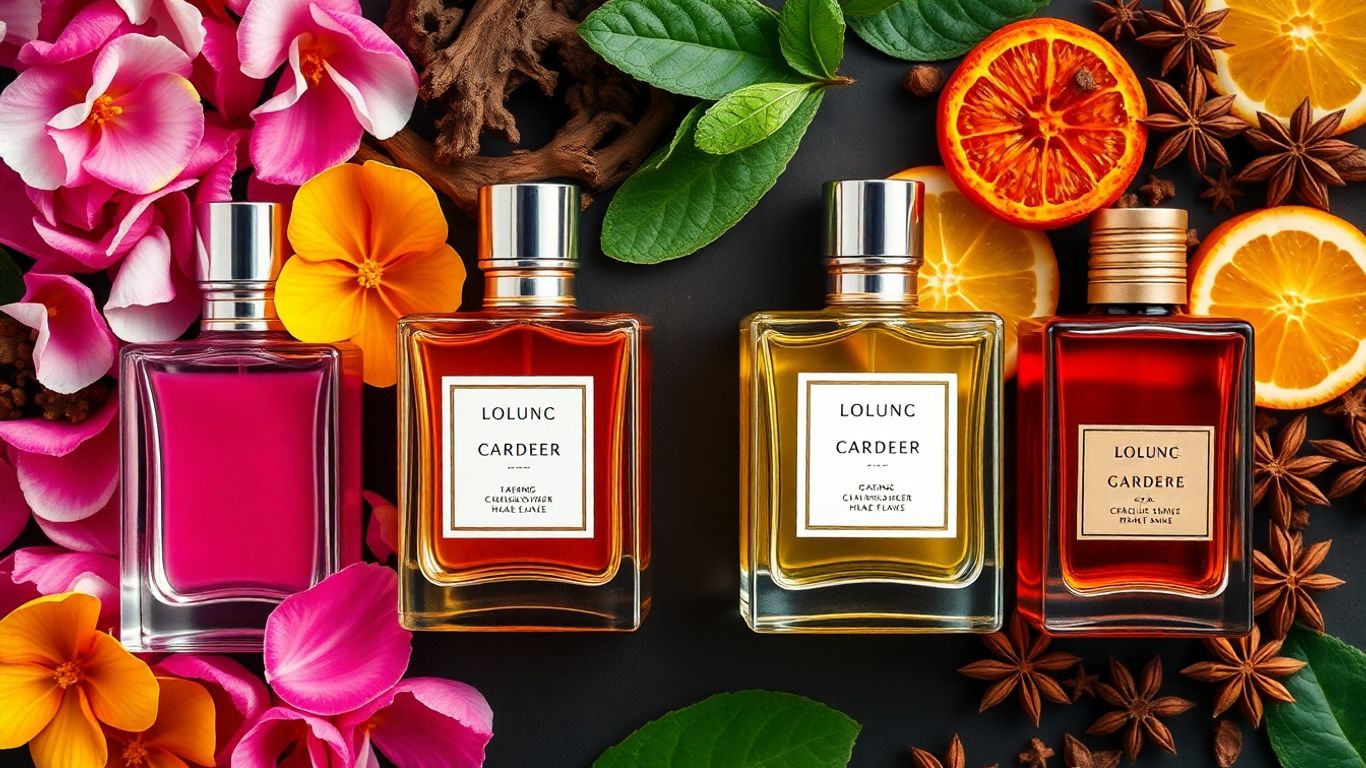
So, we've chatted about woody, floral, citrus, and oriental scents. Now comes the fun part: figuring out which one, or maybe even a mix, is your scent. It’s a bit like finding your favourite jumper or the perfect pair of jeans – it just feels right. We all have different skin chemistry, you see. What smells amazing on your mate might smell a bit… off on you. It’s all down to the natural oils on your skin and even its pH level. Oily skin tends to hold onto scents longer, so richer, warmer notes might stick around beautifully. Drier skin might need a lighter touch, perhaps a zesty citrus that you can reapply if you fancy. It’s worth experimenting, honestly. Don't be afraid to try things out.
Here’s a little guide to help you on your way:
- Consider your daily routine: Are you always on the go, needing something fresh and energising? Or do you prefer something calming and comforting for evenings in?
- Think about your personality: Are you bold and outgoing, or more reserved and thoughtful? Your scent can be a subtle way to express yourself.
- Don't be afraid to mix it up: Sometimes, a blend of families works wonders. Maybe a woody scent with a hint of floral, or a citrus with a warm oriental base.
- Test, test, test: Spritz it on your wrist, not just a paper strip. Walk around for a bit. See how it changes over a few hours. What you smell initially isn't always what you'll smell later.
Finding a perfume that truly suits you is a personal journey. It's about discovering what makes you feel good, confident, and authentically yourself. Don't rush it; enjoy the process of exploration and let your senses lead the way.
So, What's Next?
Right then, we've had a good look at the main scent families – the woody, the floral, the citrus, and the oriental ones. It's pretty interesting how these categories help us make sense of all the different smells out there, isn't it? Knowing a bit about them can really help when you're trying to pick out a new perfume, or even just understand why you like certain smells more than others. It’s not just about smelling nice; it’s about finding something that feels right for you, whether that’s something grounding and woody, bright and zesty, soft and floral, or warm and spicy. Hopefully, this gives you a bit more confidence next time you're browsing the perfume counter or just sniffing around.
Frequently Asked Questions
What exactly are these 'fragrance families' we keep hearing about?
Think of fragrance families as big groups that perfumes are sorted into, based on their main smells. It's like sorting music into genres like rock, pop, or classical. We've got the main ones: woody, floral, citrus, and oriental. Each one smells totally different and gives off a unique vibe.
How do I know if I'm a 'woody' person?
If you love the smell of forests, damp earth, or a cosy fireplace, you might be drawn to woody scents. They often use smells like sandalwood or cedarwood, which feel grounding and sophisticated. They're great for feeling a bit more grown-up and put-together.
What's the deal with floral perfumes? Are they just for grannies?
Definitely not! Floral perfumes are super popular because they smell like flowers, obviously! We're talking roses, jasmine, or even lighter ones like lily of the valley. They can be really romantic and elegant, perfect for feeling pretty and special, whether you're going out or just want a nice everyday scent.
I like things that smell zesty and fresh. What family is that?
That's the citrus family for you! These perfumes are all about bright, zingy smells like lemons, oranges, and grapefruits. They're incredibly refreshing and uplifting, making you feel energised and clear-headed. Perfect for a sunny day or when you need a little boost.
What makes an oriental perfume 'oriental'?
Oriental perfumes are known for being rich, warm, and a bit mysterious. They often have cosy smells like vanilla, spices (think cinnamon or cloves), and resins. These scents feel luxurious and sensual, like a warm hug on a cold evening. They're really good for making a statement.
How do I actually find *my* perfect scent?
The best way is to just try them! Don't be afraid to sniff around. Think about what smells you naturally like – do you prefer the outdoors, sweet flowers, fresh fruit, or warm spices? Your personal style and what makes you feel good are key. It's all about exploring and seeing what speaks to you!