We all love a good scent, right? But sometimes, when we're out shopping for that perfect perfume, we end up with a fake. It's a real bummer, and honestly, it's quite common. So, how can we tell if a perfume is fake? We've put together a guide, specifically for us here in the UK, to help you spot those dodgy bottles and make sure you're getting the real deal every time. Let's get savvy about our scents!
Key Takeaways
- Always check the packaging first. Look for high-quality materials, crisp printing, and a neat cellophane wrap. Sloppy boxes are a big giveaway.
- Examine the bottle closely. Real bottles feel heavy, have smooth glass, and the cap should fit perfectly. Fakes often feel cheap and look a bit off.
- Trust your nose! Genuine perfumes have a complex scent that changes over time. If it smells harsh, fades too quickly, or just isn't right, it's probably not authentic.
- Look for authenticity markers like serial numbers and batch codes. These should match on the box and bottle and can often be checked online.
- Be smart about where you buy. If a price seems too good to be true, it likely is. Stick to reputable stores and official brand websites to avoid fakes.
How can I tell if a perfume is fake? Essential UK guide to spotting counterfeits
We all love a good scent, don't we? That perfect fragrance can really make you feel a million pounds. But what happens when you think you've found a bargain, only to realise later that your lovely new perfume is actually a fake? It's a real bummer, and honestly, it happens more often than you'd think. Counterfeiters are getting pretty clever, making it harder to spot the fakes. So, we've put together a guide to help us all sniff out the real deal from the dodgy copies.
Why authentic perfumes matter
It’s not just about the smell, though that’s a big part of it. When we buy the genuine article, we're getting a product made with care, using quality ingredients that are often tested for safety. Fake perfumes, on the other hand, can be a bit of a gamble. They might smell okay for a minute, but they can also contain nasty chemicals that could irritate your skin or worse. Plus, buying fakes means you're not supporting the actual brands and the people who work hard to create those beautiful scents we love. It’s about quality, safety, and respecting the craft.
Common tricks used by counterfeiters
These guys are crafty. They'll try to make their fakes look as close to the real thing as possible. We're talking about packaging that looks almost identical, bottles that mimic the original design, and even scents that are a close, but not quite right, copy. They know what we're looking for, so they try to tick as many boxes as they can. The trick is to know what to look for, and that's where we come in.
- Packaging mimicry: They'll try to get the box and cellophane wrap looking spot on.
- Bottle design replication: The shape and style of the bottle are often copied.
- Scent approximation: They aim for a smell that's similar to the original, but often lacks depth and longevity.
The more we know about how fakes are made, the better we can protect ourselves from being duped. It’s all about paying attention to the little things that the counterfeiters often miss.
Examining the packaging: The first line of defence
Right, so before we even get to the actual scent, the box itself can tell us a fair bit. Think of it as the perfume's first handshake – it should feel solid and look the part. Counterfeiters often cut corners here, and it shows.
Quality of materials and construction
Genuine perfumes usually come in boxes made from good quality card. It shouldn't feel flimsy or like it's going to fall apart if you look at it funny. We've noticed that fakes sometimes use thinner, rougher card, and the printing might look a bit fuzzy or not quite sharp. It's all about that premium feel; if it feels cheap, it probably is.
Print and design accuracy
This is where we really need to put our glasses on. Look closely at the text on the box. Are there any spelling mistakes? Is the font consistent, or does it look like a jumble of different sizes and styles? The logos and any artwork should be crisp and clear, exactly as you'd expect from the brand. Sometimes, with fakes, the colours might be slightly off, or the spacing between letters looks a bit weird. It’s the little details that often give the game away.
Sealing and wrapping
Most high-end perfumes are wrapped in cellophane, and it's usually done really neatly. We're talking tight, smooth plastic with clean, precise folds. If the wrapping looks loose, crinkled, or has messy seams, that's a big warning sign. It should look like it's been professionally done, not just slapped on.
We've found that a poorly sealed box, especially one that looks like it's been opened and resealed, is a definite red flag. It suggests someone's tampered with it, or it's just not the genuine article from the start.
The devil is in the details: Scrutinising the perfume bottle
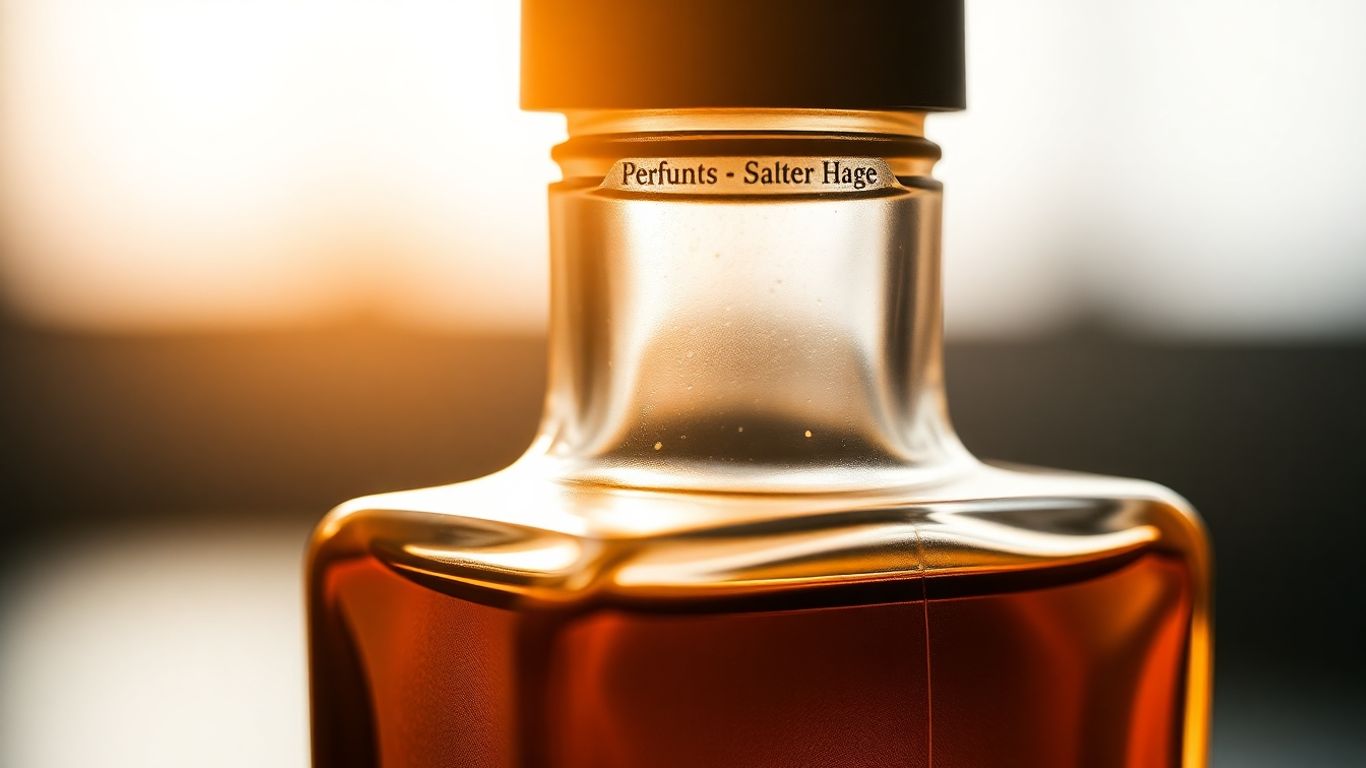
Right, so we've had a good look at the box, but the bottle itself can tell us a whole lot too. Honestly, sometimes it feels like a detective job, doesn't it? Counterfeiters might get the outer packaging almost right, but the bottle is often where they slip up.
Overall craftsmanship and design
Genuine perfume bottles are usually made with a lot of care. Think smooth lines, precise edges, and a general feeling of quality. If you pick up a bottle and it feels a bit rough, or the seams look a bit wonky, that's a bit of a warning sign. The cap should fit snugly, not wobble about or feel loose. We've seen some fakes where the logo looks a bit smudged or isn't quite straight – little things like that really give them away.
Glass quality and weight
This is a big one. Authentic perfume bottles are typically made from good quality glass. It should feel substantial, maybe even a bit heavy, and look clear and bright. If the glass looks a bit cloudy, has bubbles in it, or feels surprisingly light, it's probably not the real deal. Sometimes they use cheaper glass or even plastic, and you can usually tell the difference straight away. A genuine bottle should feel like a little piece of art in your hand.
Nozzle and cap fit
Don't forget to check the sprayer mechanism. On a real perfume, the nozzle should be well-fitted and spray evenly. If it feels loose, sprays erratically, or looks cheap, it’s another clue. The cap should also click into place or sit securely without being too tight or too loose. It’s these small details that really show the difference between a carefully crafted product and a cheap imitation.
Trusting your nose: Assessing the perfume’s fragrance
Right then, we've had a good look at the box and the bottle, but now it's time for the real test – what does it actually smell like? This is where your nose becomes your best friend, and honestly, it's often the most telling part. Counterfeiters can get pretty good at making things look the part, but replicating a complex scent profile? That's a whole different ball game.
Complex fragrance profile and evolution
Genuine perfumes are like a well-orchestrated symphony. They have layers, you know? You get the initial burst – the top notes – which are usually bright and zesty. Then, as it settles, the heart notes come through, often floral or spicy. Finally, the base notes emerge, the deep, lingering scents that give the perfume its character. This whole process, the evolution of the scent on your skin, is what makes a real perfume special. Fakes, on the other hand, often smell a bit one-dimensional. They might have a strong initial whiff that smells similar, but it doesn't really change or develop. It can smell a bit harsh, or just… flat. A true perfume should tell a story as it wears.
Longevity and sillage
This is a big one. How long does the scent actually last? And how far does it project? Authentic perfumes are made with quality ingredients, and that means they tend to stick around. You should get a good few hours out of a genuine scent, and it should leave a subtle trail, known as sillage, as you move. If you spray a perfume on and within an hour or two, it's practically vanished, or it smells completely different to how it did when you first put it on, that's a pretty strong clue it might not be the real deal. Fakes often use cheaper alcohol and less concentrated fragrance oils, so they just don't have the staying power.
Skin reaction and chemical presence
This is less about the smell and more about how your skin reacts. Genuine perfumes are formulated with skin safety in mind. While some people might have sensitivities to certain natural ingredients, a fake perfume could contain all sorts of nasty chemicals that aren't meant for your skin. If you notice any itching, redness, or a strange burning sensation after applying a perfume, especially if it's a new scent you've never tried before, be very wary. It's a definite red flag that you might have a dodgy product on your hands. Real perfumes, even if they're strong, shouldn't cause irritation.
We've all been tempted by a bargain, haven't we? But when it comes to perfume, that 'too good to be true' price tag often means you're getting something that's just not right. The quality just isn't there, and you might even be putting something harmful on your skin.
Checking for authenticity markers
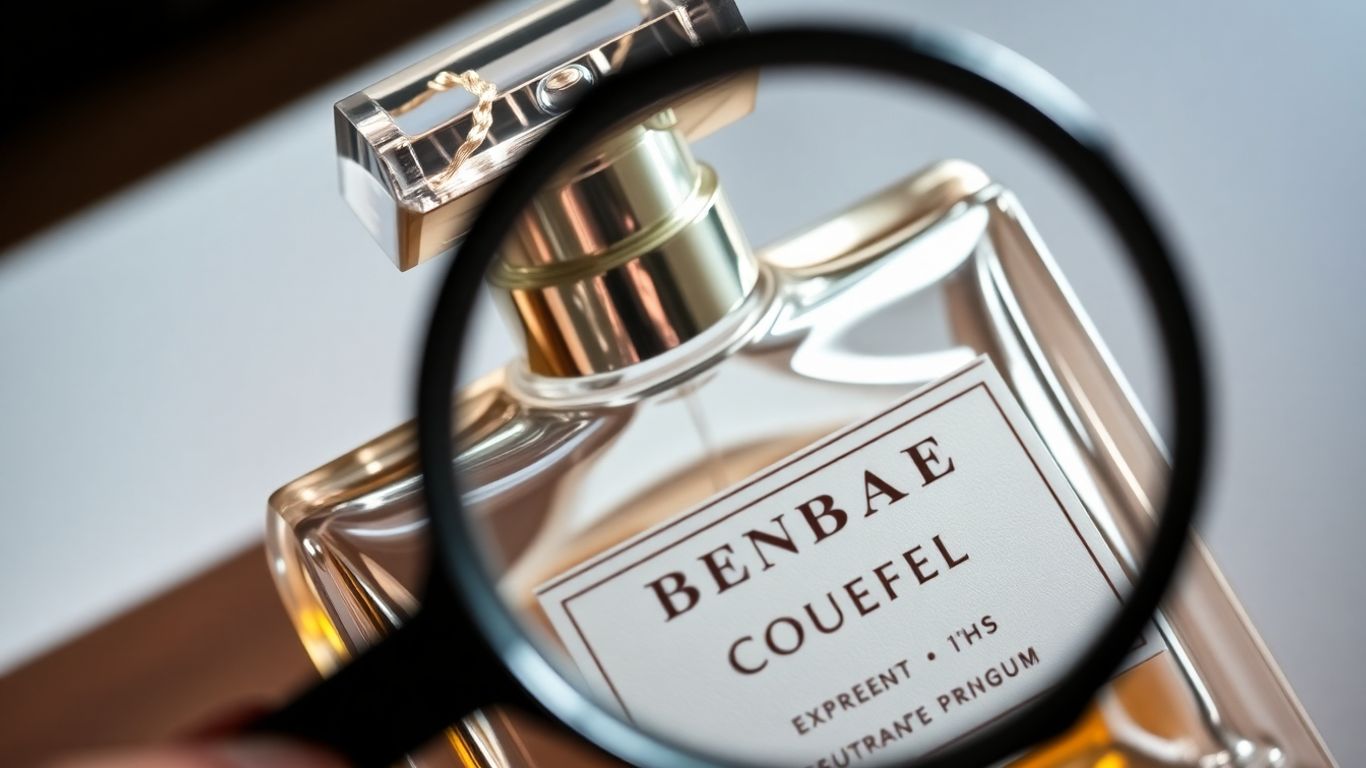
Labelling and engraving accuracy
Right then, let's get down to the nitty-gritty. After you've had a good look at the box and the bottle itself, it's time to really scrutinise the finer details. This is where counterfeiters often slip up. We're talking about the labels, any engravings, and those all-important codes.
First off, check the text. Are there any spelling mistakes? Does the font look a bit off, maybe too thin, too bold, or just not quite right compared to what you'd expect from the brand? Genuine perfumes usually have crisp, clear printing. If it looks smudged, uneven, or like it's been slapped on in a hurry, that's a big warning sign. We've seen some fakes where the brand name is slightly misspelled or the lettering is inconsistent across the bottle and the box. It’s the little things, isn't it?
Serial numbers and batch codes
This is a really important one. Most legitimate perfumes will have a serial number or a batch code printed or engraved somewhere on the bottle, often on the base, and it should match the one on the outer box. Sometimes these are printed directly onto the glass, other times they're on a sticker. If there's no code, or if the code on the bottle doesn't match the box, you've probably got a fake on your hands. Some brands even have ways to check these codes on their official websites, which is always worth a look if you're unsure. It’s a bit like a secret handshake for the real deal.
Colour consistency and sediment
Now, let's talk about the liquid itself. The colour of the perfume should be consistent and clear. If you see any weird sediment floating around in the bottle, or if the colour looks murky or just plain wrong – maybe too dark or too pale compared to what you know – then it's likely not the genuine article. High-quality perfumes are made with refined ingredients, and they shouldn't look like they've been sitting at the bottom of a pond. Give the bottle a gentle tilt and check for any cloudiness or particles. A clear, consistent liquid is a good sign of authenticity.
Sometimes, you might find that the colour of the liquid in a fake perfume is slightly different from the original. This can be due to the cheaper dyes or ingredients used by counterfeiters. It’s not always obvious, but if you have a genuine bottle to compare it to, you might notice the difference.
Here’s a quick checklist for these markers:
- Labels & Text: Crisp, clear, no spelling errors, correct font.
- Codes: Serial number/batch code present on bottle and box, matching.
- Liquid: Clear, consistent colour, no sediment or cloudiness.
- Engraving: If present, should be precise and well-defined.
Spotting fake perfume online and in stores
Right then, we've covered the packaging and the bottle, but what about actually buying the stuff? This is where things can get a bit tricky, especially with so much shopping happening online these days. We need to be smart about where we spend our hard-earned cash.
Price points: too good to be true?
Let's be honest, who doesn't love a bargain? But when it comes to designer or even niche perfumes, if a price seems ridiculously low, it's almost certainly a red flag. Genuine perfumes are made with quality ingredients and complex processes, and that costs money. Counterfeiters can afford to slash prices because they're cutting corners everywhere. If a deal looks too good to be true, it almost always is. We've seen prices that are a fraction of the RRP, and that's a massive warning sign.
Purchase from reputable sources
This is probably the most important tip we can give you. Stick to places you know and trust. Think official brand websites, well-known department stores (like John Lewis or Selfridges), or established fragrance retailers. These places have a reputation to uphold and are far less likely to knowingly sell fakes. Avoid dodgy market stalls, unknown websites with poor design, or sellers on social media who can't provide much detail. It's just not worth the risk.
Customer reviews and ratings
When you are shopping online, especially on platforms where multiple sellers operate, always, always check the reviews. Look for patterns – are lots of people mentioning the scent fading too quickly, or the packaging looking off? While one or two negative reviews can happen anywhere, a consistent stream of comments about authenticity issues is a big warning. Also, check the seller's overall rating. A seller with a low rating and lots of complaints is best avoided. It's like asking your mates for advice before buying something – you trust the people who've had good experiences.
We've heard stories of people buying what they thought was a bargain online, only to receive a bottle that smelled nothing like the real thing, or worse, caused a skin reaction. It's a real shame when that happens, and it's why we're so keen on you buying from places that have a solid track record.
So, What's the Takeaway?
Right then, we've gone through all the little details, haven't we? From the box it comes in to how it smells on your skin, there are loads of clues to help us spot a fake perfume. It's not always easy, mind you, especially with how good some fakes are these days. But if we keep our eyes peeled and remember to buy from places we trust, we should be able to avoid getting ripped off. It's all about enjoying the real thing, the proper scent that lasts and makes you feel good, rather than ending up with something that smells a bit off and disappears in an hour. Stay sharp out there, and happy spritzing!
Frequently Asked Questions
How can we tell if a perfume is the real deal?
We can check a few things! First, have a good look at the packaging – is it made of good quality stuff, are the words printed clearly without any mistakes, and is the plastic wrap neat and tight? Then, examine the bottle itself. Does the glass feel nice and heavy, or is it light and a bit cheap? Make sure the cap fits well. Lastly, give it a sniff! Real perfumes smell complex and change over time, while fakes often smell strong at first and then disappear or smell a bit off. Buying from shops we know and trust is also a big help.
Are fake perfumes bad for us?
Yeah, they can be. Because they're made with cheaper ingredients, fake perfumes might make our skin itchy or give us a rash. They also don't smell as good for as long as the real ones, so we end up wasting our money. Genuine perfumes are made more carefully to be nice to our skin.
What if the perfume is really cheap?
If the price seems way too low for a fancy perfume, we should be really careful. Most real perfumes have a set price, and you won't find them for a bargain basement price. If it looks like a super deal, it's probably a fake one trying to trick us.
Can we trust perfumes bought online?
We need to be extra cautious when buying perfume online. It's best to buy from the brand's official website or from big, well-known shops that we know sell genuine products. We should avoid random websites or sellers on social media, as that's where a lot of fakes are sold.
What's the deal with the scent of fake perfumes?
Fake perfumes might smell a bit like the real thing when we first spray them, but that's usually where the similarity ends. They often don't have that lovely layered smell that real perfumes do, and the scent fades away really quickly. Sometimes, they can even smell a bit chemical or unpleasant as they dry down.
How can we check if the bottle and box are authentic?
We should look closely at the box for any spelling mistakes or blurry printing. The plastic wrap should be smooth and tight. For the bottle, the glass should be clear and feel good in our hands, and the cap should fit perfectly. Sometimes, real perfumes have a special code on the box and bottle that we can check online to make sure it's real.