You know that feeling when you first uncap a new bottle of perfume and it smells… nice, but perhaps a little sharp, or not quite as long-lasting as you’d hoped? Then, a few weeks or months later, you discover it’s richer, deeper, and clings to your skin with stunning tenacity? That’s no accident. That’s the subtle, profound magic of maceration at play. This isn’t just industry jargon; it’s the quiet alchemy that transforms a good perfume into an extraordinary one. It’s about giving your fragrance a private retreat, a chance to truly become its most refined self. Understanding this process can utterly transform your appreciation for the perfumes you already own and influence your next cherished purchase. Ready to dive into the aromatic artistry? Let’s decode this delightful mystery and learn precisely how to macerate perfume.
Key Takeaways
- Does perfume age or improve over time? Yes, it does, thanks to a process called maceration, which allows scent molecules to bond and stabilise.
- Maceration is like letting a fine wine mature; it helps the alcohol notes fade and the fragrance notes blend together more smoothly.
- To help your perfume mature properly, store it in a dark, cool, and still place, away from light and heat, which can damage the scent.
- You'll know your perfume is ready when the sharp alcohol smell is gone, the scent notes transition nicely, and the overall aroma feels richer and lasts longer on your skin.
- While some changes happen quickly, many perfumes really hit their stride after a few weeks to a few months of proper maceration.
Does perfume age or improve over time?
We've all wondered, haven't we? You get a new perfume, and it smells good, but maybe not quite as amazing as you'd hoped. Or perhaps you've found an old bottle tucked away and wondered if it's still any good. The truth is, most perfumes don't just sit there; they actually change. Think of it a bit like a fine wine or a good cheese – time can do interesting things.
The science behind scent maturation
When a perfume is first made, all the ingredients – the oils, the alcohol, the water – are mixed together. It’s a bit like throwing a bunch of ingredients into a bowl for a cake. They’re all there, but they haven't quite melded into something harmonious yet. The alcohol, in particular, can be quite sharp and noticeable at first. Maturation, or maceration as it's often called in the industry, is the period after this initial mixing where the different scent molecules get to know each other. They interact, bond, and settle down. This process allows the sharper edges to soften and the different notes to blend more smoothly.
Understanding the maceration process
So, what exactly happens during maceration? It's essentially a resting period. The perfume is left undisturbed, usually in its final bottle, for a set amount of time. During this time, the alcohol and fragrance oils continue to interact. This isn't a dramatic chemical reaction, but rather a gentle settling. The molecules find their equilibrium, and the overall scent profile starts to become more rounded and cohesive. It’s this settling that makes a perfume smell less like a collection of individual smells and more like a unified fragrance.
How time transforms a fragrance
Over time, we often notice a few key changes. The most obvious is usually the reduction of that initial harsh alcohol smell. It mellows out, allowing the true character of the perfume to emerge. You might also find that the different layers of the scent – the top, middle, and base notes – transition more smoothly from one to the next. Instead of distinct stages, they might blend into a more continuous and complex aroma. Ultimately, a well-macerated perfume tends to smell richer, deeper, and more integrated than it did right after it was bottled. It's this transformation that makes waiting worthwhile for many fragrance enthusiasts.
The crucial role of maceration in perfumery
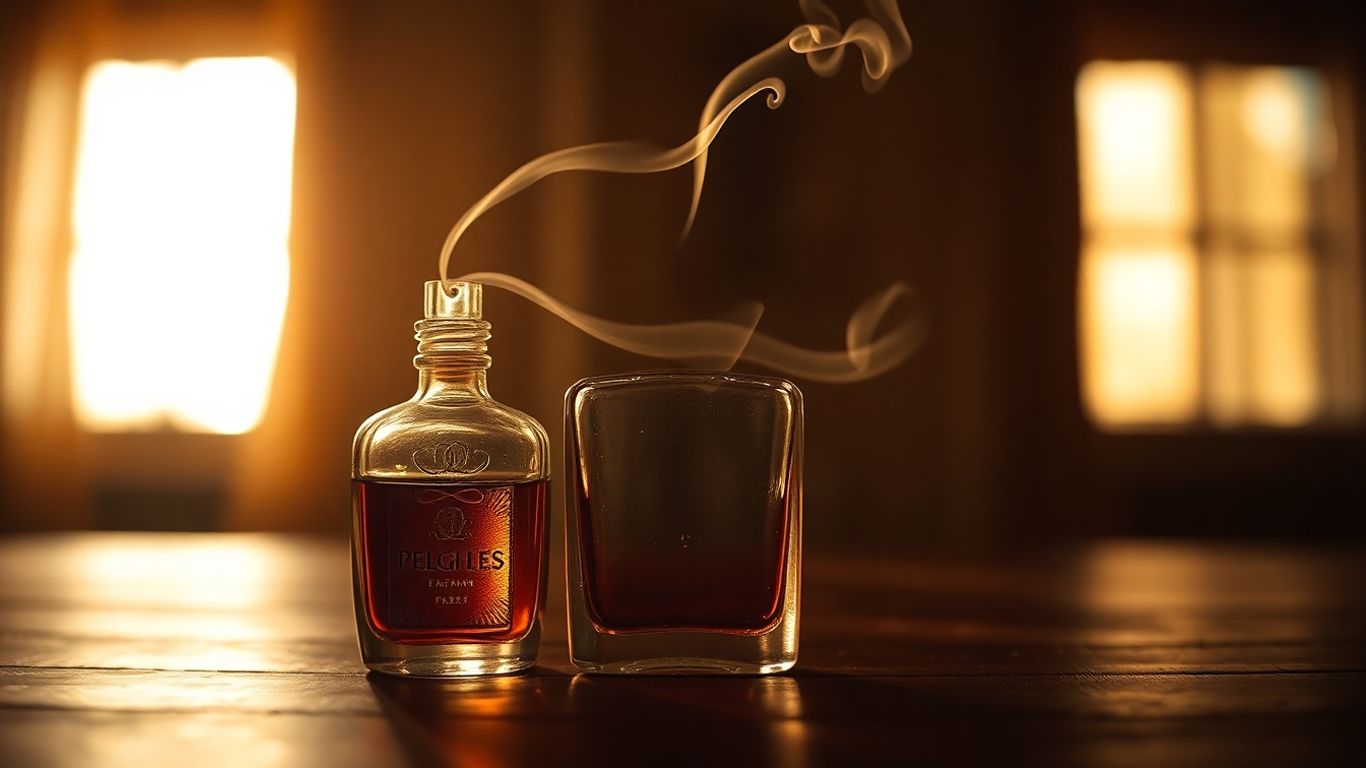
You know that feeling when you first uncap a new bottle of perfume and it smells… nice, but perhaps a little sharp, or not quite as long-lasting as you’d hoped? Then, a few weeks or months later, you discover it’s richer, deeper, and clings to your skin with stunning tenacity? That’s no accident, darling. That’s the subtle, profound magic of maceration at play.
This isn’t just industry jargon; it’s the quiet alchemy that transforms a good perfume into an extraordinary one. It’s about giving your fragrance a private retreat, a chance to truly become its most refined self. Understanding this process can utterly transform your appreciation for the perfumes you already own and influence your next cherished purchase.
Harmonising aroma compounds
When a perfume is first created, it’s a careful blend of concentrated fragrance oils (the “juice”) and high-grade perfumer’s alcohol. While these components are combined, they haven’t quite “married” yet. Maceration is the vital period where these diverse molecules bond, integrate, and stabilise. The alcohol, acting as a solvent, helps the myriad scent molecules to intertwine, solidify, and develop their full character, depth, and tenacity. Without proper maceration, a perfume might feature a harsh, overly alcoholic opening, or its various notes might feel disjointed—like individual instruments playing a tune rather than a symphony.
Enhancing fragrance intensity and longevity
So, why invest time in this silent ritual? The benefits are quite compelling. Maceration allows the top, heart, and base notes to fully integrate, creating a smooth, cohesive aroma rather than a chaotic burst. The subtle chemical reactions that unfold during this period can unveil alluring nuances in the fragrance that weren’t immediately present. Notes become more robust, and the overall scent profile gains intriguing layers. A well-macerated perfume tends to last longer on the skin (that’s its lasting power!) and project its scent more beautifully (that’s its reach!). The molecules become more stable, meaning the fragrance unfurls more gracefully and endures for hours.
The blend of art and science
Maceration combines the essence of art and the precision of science, transforming raw fragrance compounds into captivating scents that define personal style and memory. At the heart of this process is carefully blending fragrance oils in alcohol, a solvent that acts as a medium for the perfume's development. Over time, ranging from a few days to several months, these ingredients transform, allowing the perfume to evolve from a simple mixture to a complex, nuanced aroma. This rest period is crucial; it allows for harmonising various aroma compounds, enhancing the fragrance's intensity and ensuring a lasting scent on the skin.
Here's a quick look at what happens:
- Oxidation: The interaction between fragrance molecules and oxygen, leading to a richer scent profile.
- Evaporation: Alcohol gradually evaporates, concentrating the fragrance and reducing the initial alcohol scent.
- Formation of New Compounds: Reactions contribute to the scent's complexity.
If a newly blended perfume smells overwhelmingly of alcohol when first sprayed, it often just needs more maceration. This process helps the alcohol integrate, diminishing that pungent initial scent and allowing the fragrance to truly shine.
Factors influencing scent development
Ingredient quality and harmony
We've all had that experience where a perfume just doesn't smell quite right, maybe a bit sharp or unbalanced. Often, this comes down to the quality of the ingredients used. Think of it like baking a cake; if you use stale flour or poor-quality eggs, the final product just won't be as good. The same applies to our perfumes. High-quality natural extracts and well-synthesised aroma chemicals are the building blocks of a great scent. When these are carefully selected and blended, they create a more cohesive and pleasing aroma. It’s not just about having good ingredients, though; it’s about how they work together. A skilled perfumer knows how to balance the different notes – the bright top notes, the heart of the fragrance, and the deep base notes – so they transition smoothly and create a harmonious whole. If one ingredient is too dominant or clashes with others, it can throw the whole composition off, making it feel less refined and potentially affecting how it develops over time.
The impact of temperature and environment
Where we keep our perfumes really matters. Imagine leaving a delicate chocolate bar out in the sun – it’s going to melt and get all messy, right? Perfume is similar, though perhaps less dramatic. Extreme temperatures, both hot and cold, can mess with the delicate balance of the scent molecules. High heat can accelerate the evaporation of alcohol, which is a major component in most perfumes, and can also degrade some of the more fragile aromatic compounds. This can lead to a weaker scent or even alter its character over time. On the flip side, while extreme cold isn't usually as damaging, rapid temperature fluctuations can also be a problem. Consistency is key for our precious bottles. We try to store ours in a cool, dark place, away from direct sunlight and radiators. Even humidity can play a role; a damp bathroom isn't the best spot for long-term storage as moisture can potentially affect the perfume's integrity.
Concentration and solvent evaporation
This one's a bit more technical, but it's pretty interesting. The concentration of a perfume – whether it's an Eau de Toilette, Eau de Parfum, or Parfum – affects how it behaves over time. Higher concentrations generally have less alcohol and more aromatic oils. As the perfume sits, especially if the cap isn't perfectly sealed or if it's exposed to air, the alcohol and water content will slowly evaporate. This process can actually lead to a slight increase in the concentration of the aromatic oils. For some fragrances, this can be a good thing, making the scent richer and more potent. However, if the evaporation is too rapid or uneven, it can also lead to a loss of volatile top notes, making the fragrance smell different – perhaps less bright and more heavy – than when it was first purchased. It’s a delicate dance between the solvents helping the scent to project and their eventual departure, leaving the core aroma behind.
Optimal conditions for perfume maturation
The importance of darkness, coolness, and stillness
So, we've talked about how perfumes change over time, and now we're getting to the good bit: how to actually help that change happen in the best way possible. It's not about rushing things; it's about giving your fragrance the right environment to settle and develop. Think of it like letting a good cheese mature or a fine wine breathe. We want our perfumes to reach their peak, and that means being a bit mindful about where we keep them.
Avoiding harsh measures and rapid changes
When a new bottle of perfume arrives, it's tempting to just spray it and go, or maybe even try to 'speed things up' if you've heard about maceration. But honestly, some of the advice out there can be a bit much. Shaking a bottle vigorously or exposing it to sudden temperature swings isn't going to do it any favours. In fact, it can do the opposite and actually damage the delicate balance of the scent. We're aiming for a gentle evolution, not a shock to the system.
Gentle handling for even distribution
While we want to keep things still, there's a subtle art to ensuring everything mixes properly. Sometimes, a very gentle swirl can help. It’s not about shaking it like a cocktail; it’s more like a slow, deliberate rotation of the bottle. This helps the different scent molecules and oils mingle evenly within the alcohol base. It’s a small step, but it makes a difference in how smoothly the fragrance unfolds on your skin later on.
Here’s a quick rundown of what we’re aiming for:
- Darkness: Light, especially sunlight, is a perfume's worst enemy. It can break down the scent compounds, changing the smell and even the colour. So, a drawer or a cupboard is ideal.
- Coolness: We want a stable, moderate temperature. Think around 15-20°C. Avoid places with big temperature changes, like a bathroom that gets steamy.
- Stillness: Try not to move the bottle around too much. Constant jostling can introduce more air, which isn't great for the perfume's longevity.
We're essentially creating a quiet, stable retreat for the perfume. It's a patient process, allowing the alcohol to do its work of blending and mellowing the aromatic compounds without any external interference. This calm period is where the magic really happens, transforming a good scent into a truly captivating one.
Recognising when your perfume is ready
So, how do we know when our precious perfume has finished its quiet transformation and is ready to truly shine? It’s not always obvious at first sniff, but there are a few tell-tale signs we can look out for. Think of it like tasting a good stew – you know it’s ready when all the flavours have melded perfectly.
Diminished alcohol notes
When you first spray a new perfume, you might notice a rather sharp, almost stinging smell of alcohol. This is perfectly normal, as alcohol is the carrier for the fragrance oils. However, as the perfume matures, this initial alcohol blast should significantly fade. The scent should transition from being dominated by alcohol to revealing the intended fragrance notes more clearly. You'll notice the alcohol is still there, doing its job, but it’s no longer the first thing that hits you.
Seamless transition of scent notes
In a well-macerated perfume, the different layers of scent – the top, middle, and base notes – don't just appear one after another; they blend together. Instead of distinct stages, you get a smooth, flowing journey. The top notes might linger a little longer, and the base notes might emerge more gently, but the overall effect is harmonious. It feels like a complete story rather than separate chapters.
Enhanced richness and depth
This is where the magic really happens. A mature perfume often feels fuller, more complex, and simply more there. The individual notes seem to have married each other, creating a richer, more rounded aroma. It’s like the difference between a simple sketch and a fully painted masterpiece; there’s more substance and character.
Improved performance on the skin
Beyond just smelling better, a ready perfume usually performs better too. You might find it lasts longer on your skin throughout the day, and its sillage – the scent trail it leaves – is more noticeable and pleasant. It clings beautifully without being overpowering, offering a more consistent and enjoyable experience from the moment you apply it.
We’ve found that testing your perfume periodically, perhaps once a week, is the best way to track its progress. Spritz a little on a blotter or your wrist and just observe. You’ll start to notice these changes yourself, and it’s quite rewarding to witness your fragrance evolving.
Here’s a quick rundown of what to expect:
- Less alcohol sharpness: The initial spray is smoother.
- Smoother note transitions: Scents blend rather than jump.
- Deeper aroma: The fragrance feels richer and more complex.
- Better longevity: It lasts longer on your skin.
- More noticeable sillage: Your scent trail is more defined.
The impact of external elements on fragrance
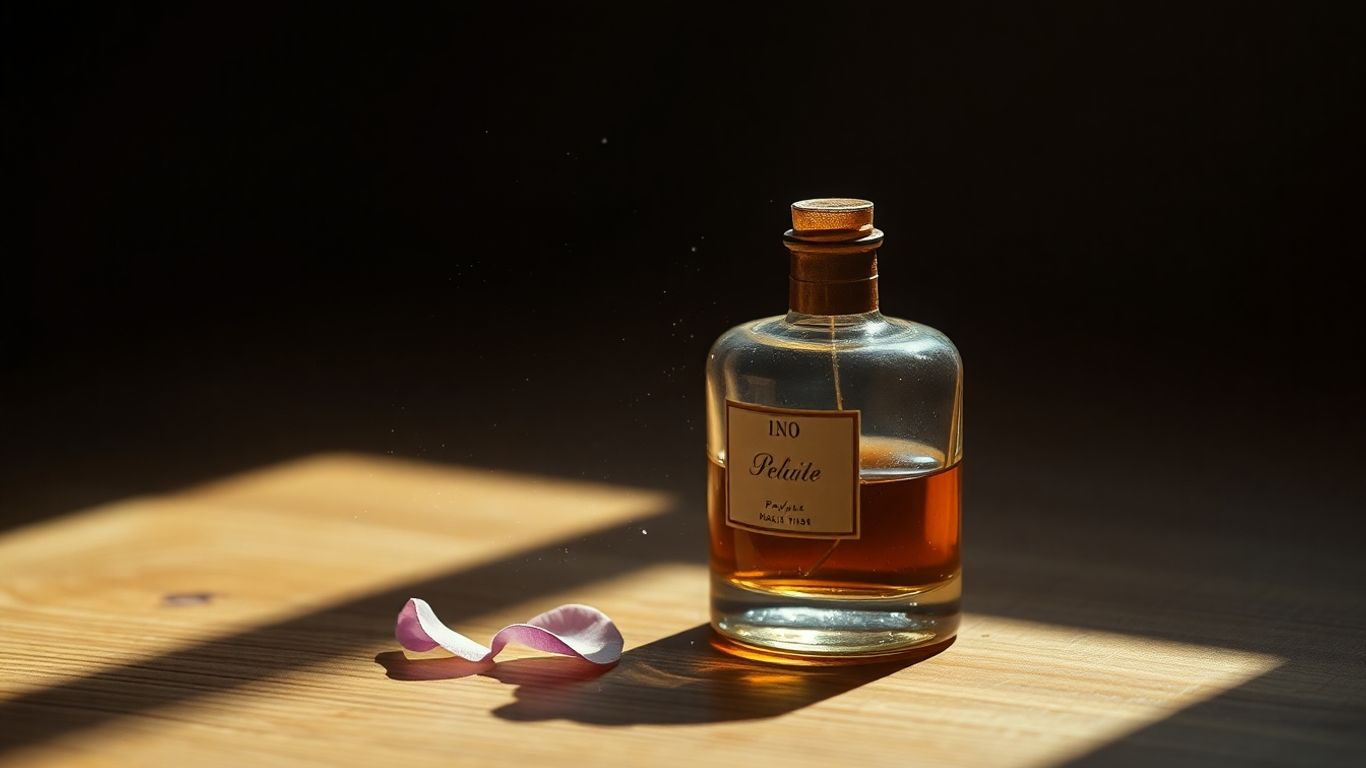
We all know that our favourite scents can change over time, but have you ever stopped to think about why? It turns out, the environment plays a surprisingly big role in how our perfumes behave. It's not just about how long they last; it's about how they actually evolve.
Oxidation and its effect on scent
Think of oxidation like rust for your perfume. When a fragrance is exposed to oxygen, the chemical structure of some of its scent molecules can start to change. This is especially true for those bright, zesty citrus notes like bergamot or lemon; they're quite sensitive and can break down pretty quickly. This chemical dance can lead to a noticeable shift in the fragrance, sometimes making it smell a bit 'off' or just different from how it started.
Light exposure and chemical breakdown
Sunlight, or even just strong artificial light, isn't a perfume's best friend. Those UV rays can actually break the chemical bonds within the fragrance. This doesn't just affect the smell; it can also cause the liquid itself to discolour. It’s why so many perfume bottles are made of dark or opaque glass – it’s a protective measure to keep the light out.
Heat acceleration of degradation
Heat is another major culprit. High temperatures speed up all sorts of chemical reactions, including oxidation and evaporation. What this means for your perfume is that it can degrade faster, and those lovely top notes, the first scents you notice, might disappear much sooner than they should. It’s like putting your perfume in a sauna – not ideal for preserving its delicate balance.
Moisture and its potential to spoil
Humidity can also cause problems. For certain ingredients in a perfume, moisture can lead to unwanted chemical reactions, like hydrolysis, or even encourage the growth of microbes. This can destabilise the fragrance and, in worst-case scenarios, spoil it entirely, leaving you with something that smells nothing like the original.
So, when we talk about keeping our perfumes in good condition, it's really about shielding them from these environmental aggressors. Storing them in a cool, dark place, away from direct light and fluctuating temperatures, is key to preserving their intended aroma for as long as possible. It’s a simple step, but it makes a world of difference.
Nurturing your fragrance collection
We all have those perfumes we adore, the ones that feel like a second skin. But have you ever noticed how some of them seem to get even better with a bit of time? That's not just in your head; it's the quiet magic of letting your fragrances mature. Think of it like letting a good cheese age or a fine wine breathe – it just gets richer and more complex. Giving your collection a little patient attention can really transform how you experience your favourite scents.
The Benefits of Patient Maturation
So, why bother with this whole 'waiting game' for your perfumes? Well, there are some pretty good reasons. For starters, it helps all those different scent notes – the top, middle, and base – to really get to know each other. Instead of smelling like separate ingredients, they start to blend into a smoother, more unified aroma. It's like a choir hitting all the right notes in harmony.
- Enhanced Unity: The notes meld together for a more cohesive smell.
- Deeper Complexity: New, subtle nuances can emerge over time.
- Improved Longevity: The scent often lasts longer on your skin.
- Less Alcohol Sharpness: That initial blast of alcohol fades, letting the real fragrance shine.
Giving Your Perfume Time to Bloom
When you get a new perfume, it's exciting, right? But sometimes, that initial spray can be a bit… much. Maybe it smells too strongly of alcohol, or the different notes don't quite feel settled. This is where a little bit of patience comes in. We can actually help our perfumes reach their full potential by giving them a quiet period to mature. It’s not complicated, just a matter of finding the right spot for them.
Here’s a simple way we can help our perfumes along:
- Initial Spritz: After opening a new bottle, give it a few good sprays into the air. This helps to get things moving inside.
- Find a Retreat: Store the bottle in a dark, cool place. A drawer or a closet shelf works perfectly. Avoid places with big temperature changes, like the bathroom.
- Let it Rest: Leave it undisturbed for at least a few weeks, or even a month. You might notice the colour deepen slightly – that’s a good sign!
- Gentle Swirl: Every so often, give the bottle a very gentle swirl. Don't shake it! This just helps everything mix evenly.
The key is consistency. Providing a stable, calm environment allows the fragrance molecules to settle and bond properly, creating a more rounded and pleasing scent profile.
Transforming Your Appreciation for Scent
Honestly, once you start paying attention to how perfumes change over time, it really shifts how you view them. You begin to appreciate the craft even more. That bottle you bought months ago might smell completely different now, in the best possible way. It’s a journey, and being part of that transformation is pretty rewarding. It’s about seeing perfume not just as a product, but as something that evolves. So next time you get a new scent, try giving it a little time to settle in. You might be surprised at the beautiful results.
So, Does Perfume Age or Improve?
Well, we've certainly learned that our favourite scents aren't just static creations. They're living things, in a way, evolving over time through a process called maceration. It’s not really about 'aging' like a fine wine, but more about letting all those lovely ingredients settle and properly get to know each other. Giving your new perfume a bit of quiet time in a cool, dark place for a few weeks, or even a couple of months, can make a real difference. You'll notice the sharp edges soften, the notes blend together more smoothly, and the whole fragrance just feels richer and lasts longer. So, next time you get a new bottle, resist the urge to wear it straight away. Let it have its little spa break – your nose will thank you for it, and you'll get to enjoy the perfume at its absolute best.
Frequently Asked Questions
So, does perfume actually get better with age?
Yep, it totally can! Think of it like a fine wine or a slow-cooked stew. When a perfume is first made, all the bits and pieces are there, but they haven't quite settled in and had a chance to mingle properly. Giving it some time, usually in a cool, dark place, lets everything blend together beautifully. This process, called maceration, helps the scent become smoother, richer, and often last longer on your skin.
How long should we leave our new perfume before we start using it properly?
It really depends on the perfume, but a good rule of thumb is at least a couple of weeks. Some people find a noticeable difference after just 2-4 weeks. For really complex scents, especially those with lots of natural ingredients, waiting a month or even up to three months can make a huge difference. You'll start to notice the sharp alcohol smell fade away, and the different notes will start to play nicely together.
Can we speed up this whole perfume aging thing?
Honestly, not really, and trying to rush it can be a bad idea! You might see tips online about shaking it a lot or putting it in extreme temperatures, but that can actually damage the delicate ingredients. The best way to 'speed it up' is simply to store it correctly – keep it somewhere dark, cool, and still. Patience is key here; the perfume needs time to do its thing naturally.
What are the signs that our perfume is ready to go?
You'll know when it's ready because the initial sharp, alcoholic smell when you first spray it will be much softer, or even gone. The different layers of scent – the top, middle, and base notes – will flow into each other smoothly, creating a really well-rounded aroma. It'll just smell deeper, richer, and usually, it'll stay on your skin for much longer than it did before.
What kind of things can actually ruin a perfume over time?
There are a few culprits! Direct sunlight and bright lights are a big no-no because they can break down the scent molecules. Heat is also bad, as it can make the alcohol evaporate too quickly and ruin the balance of the fragrance. Exposure to air over long periods can cause oxidation, which changes the smell, and even moisture can cause problems. That's why storing them in their original boxes in a dark cupboard is usually best.
So, it's better to just buy a perfume and let it sit for a while?
Absolutely! Think of it as giving your perfume a little spa treatment before you wear it out. By letting it macerate properly, you're allowing all those lovely ingredients to fully develop and harmonise. It means you get to experience the scent exactly as the perfumer intended, in its most beautiful and long-lasting form. It's a small bit of waiting that really pays off for a much richer fragrance experience.