We've all got those perfumes tucked away, maybe a gift we never quite got into, or a favourite we're saving for a special occasion. It makes you wonder, though, about their lifespan. Do perfumes expire if they stay sealed? It's a question that pops into our heads when we're tidying up or thinking about that bottle we haven't touched in ages. Let's sort out the mystery of unopened fragrances and see what's really going on.
Key Takeaways
- Unopened perfumes generally last much longer than opened ones, sometimes for years, but their quality can still be affected by storage.
- Light, heat, and air are the main enemies of perfume, even when sealed, as they can break down the delicate scent compounds over time.
- You'll know a perfume has changed when its scent notes fade, the overall fragrance profile seems muted or altered, or it develops an unpleasant, off-putting smell.
- Perfume samples have a shorter lifespan than full bottles, especially once opened, and need careful storage to maintain their true scent.
- Storing your perfumes in a cool, dark place, away from drastic temperature changes, is the best way to preserve their scent and extend their life.
Understanding perfume's composition and its lifespan
The science behind scent: essential oils, alcohol, and fixatives
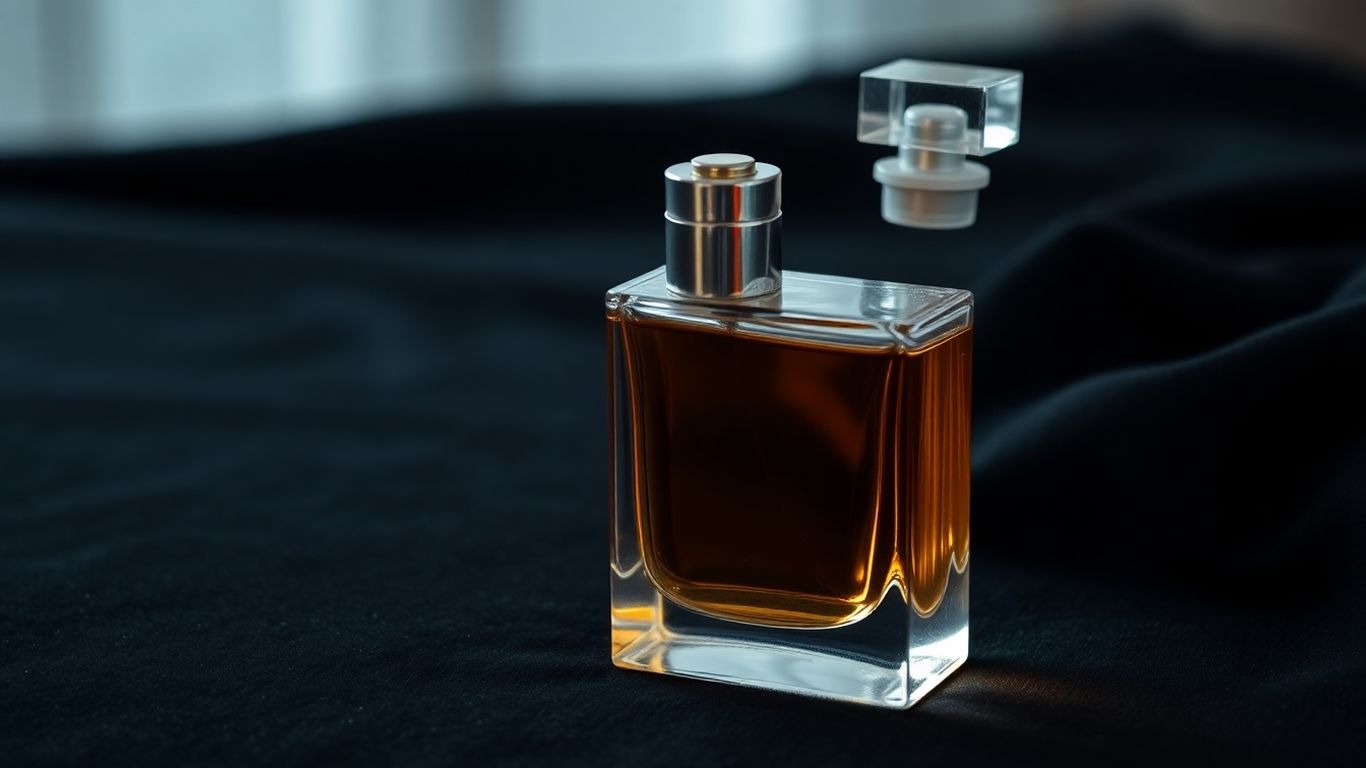
When we talk about perfume, we're really talking about a carefully crafted blend. At its core, a fragrance is usually made up of three main components. First, you have the aromatic ingredients – these are often essential oils, which are concentrated liquids extracted from plants, flowers, or even wood. These give the perfume its characteristic smell. Then there's the alcohol, usually ethanol. This acts as a carrier, helping to dilute the potent essential oils and allowing the scent to evaporate and project from your skin. Finally, there are fixatives. These are substances that help to slow down the evaporation rate of the alcohol and oils, making the fragrance last longer on your skin. Think of them as the anchors of the scent.
How ingredient quality influences longevity
The quality of these ingredients really does make a difference to how long a perfume will last. High-quality natural essential oils, for example, can be quite stable. However, some natural components can change over time, sometimes for the better, sometimes not. Synthetic aroma compounds, on the other hand, are often designed for stability, but their quality can vary wildly. Cheaper synthetics might break down more quickly or alter in scent profile. The better the quality of the raw materials, the more likely the perfume is to retain its intended scent for longer.
The delicate dance of time: factors affecting perfume expiration
Perfume doesn't really 'expire' like milk does, but it can definitely change. Several things can speed up this transformation. Light, especially direct sunlight, can break down the delicate molecules in the fragrance, altering the scent. Heat is another big one; storing perfume in a warm bathroom or near a radiator can cause the ingredients to degrade faster. And then there's air. Every time you open the bottle, a little bit of oxygen gets in, and over time, this can react with the perfume's components. It's a bit like leaving an apple out on the counter – it starts to change.
Here are the main culprits:
- Light: UV rays can break down scent molecules.
- Heat: High temperatures accelerate chemical reactions within the perfume.
- Air: Oxygen can cause oxidation, altering the fragrance.
It's a bit like a fine wine or an old book; the conditions under which it's kept play a huge role in its preservation. While we might not see a strict 'best before' date, the way we store our fragrances directly impacts their lifespan and how they smell over time.
Do perfumes expire if they stay sealed?
It's a question many of us ponder, staring at that beautiful bottle we've had for ages, still tucked away in its box. We all know food expires, but what about perfume? Does it just sit there, unchanging, forever? Well, the short answer is: it depends, but generally, unopened perfumes have a much longer life than we might think.
Unopened perfumes: a guide to their extended shelf life
Think of an unopened perfume bottle like a time capsule for scent. Because it's sealed, the delicate ingredients inside are protected from the main enemies of fragrance: air and light. This means that a perfume that's never been sprayed can often last for many years, sometimes even a decade or more. It's not uncommon for a well-stored, sealed bottle to remain perfectly good for a very long time. The quality of the ingredients used in the first place plays a big part here, too. Higher quality, natural ingredients tend to age more gracefully than some synthetic ones.
The impact of light, heat, and air on sealed fragrances
Even when sealed, a perfume isn't entirely immune to the passage of time. The biggest threats are still lurking, even if they can't get in easily. Light, especially direct sunlight, can break down the aromatic compounds over time, subtly changing the scent. Heat is another major factor; extreme temperatures can accelerate the degradation process. This is why keeping your perfumes in a cool, dark place, ideally in their original packaging, is so important. While the seal prevents direct air exposure, over many, many years, some very slow interaction might still occur, but it's far less significant than with an opened bottle.
Factors influencing the longevity of unopened scents
So, what makes one unopened perfume last longer than another? It really comes down to a few key things:
- Initial Quality: Was it made with high-quality essential oils and aroma compounds to begin with?
- Storage Conditions: Was it kept away from windows, radiators, or other heat sources? Was it stored in its box?
- The Formula Itself: Some fragrance families, like those heavy on woods or resins, tend to be more stable than lighter, citrus-based scents.
While perfumes don't typically 'expire' like milk does, they can certainly change. Think of it less as going bad and more as evolving. The scent might become less vibrant, or certain notes might fade faster than others. The key is that the change is usually gradual and often only noticeable if you compare it to a fresher bottle or have a very sensitive nose.
It's fascinating how these liquid memories can hold their integrity for so long when protected. It really highlights the importance of how we store them, even before we ever get to use them.
Recognising the signs of perfume transformation
Even if we keep our favourite scents tucked away from the sun and heat, time does have a way of changing things. Perfume isn't quite like milk that goes off, but it can definitely shift and change over the years. We've all probably noticed it at some point – that beloved bottle that just doesn't smell quite the same as it used to. It's not necessarily a bad thing, but it's certainly a transformation.
When scent notes begin to fade
The most common sign that a perfume is changing is when its initial burst of fragrance, the top notes, starts to disappear faster or becomes less vibrant. These are usually the lighter, zesty, or fresh elements like citrus or light florals. They're the first impression, and if they're fading quickly, it means the perfume's structure is starting to break down a bit. It's like the opening act of a play just isn't as energetic as it once was.
Identifying a muted or altered fragrance profile
Beyond just the top notes, the whole character of the perfume can become less distinct. What was once a complex blend of scents might start to smell simpler, or perhaps a bit 'flat'. Sometimes, the alcohol scent can become more noticeable, or the deeper, base notes might become muddled. It’s a subtle shift, but one that long-time users will often pick up on. The fragrance might lose some of its sparkle or its unique personality.
The development of off-odours
In more advanced stages of transformation, a perfume can develop unpleasant smells. This might manifest as a slightly sour, vinegary, or even metallic tang. It’s usually a sign that the oils within the fragrance have oxidised significantly. If you catch a whiff that just doesn't smell right – something acrid or stale – it's probably time to let that bottle go. It's a bit like finding an old tin of biscuits that has gone a bit rancid; you just know it's past its best.
Here's a quick rundown of what to look out for:
- Fading Top Notes: The initial bright, fresh scents disappear too quickly.
- Muted Overall Scent: The fragrance lacks its former vibrancy and complexity.
- Altered Balance: Certain notes might become too prominent, or the scent profile feels 'off'.
- Unpleasant Odours: Development of sour, metallic, or stale smells.
It's important to remember that these changes are gradual. Perfumes don't typically go from perfect to undrinkable overnight. It's a slow evolution, and paying attention to your scent collection can help you appreciate its journey, even as it changes.
The shelf life of fragrance samples
How long do perfume samples typically last?
So, you've got a little vial of something lovely, and you're wondering how long it'll stay good. It's a fair question! Unlike a big bottle that might sit on your dresser for ages, samples are a bit different. Generally, an unopened perfume sample can last anywhere from six months to a couple of years, sometimes even longer, if you keep it tucked away properly. But here's the thing: once you've popped that cap or sprayed it, the clock starts ticking a bit faster. It's not like food that goes off, but the scent can start to change.
The critical role of the container and its seal
Think about that tiny bottle. The glass itself is pretty good at protecting the liquid inside, but the seal is where the real magic happens. If the stopper or spray top isn't snug, air can sneak in. This isn't great because oxygen can mess with the delicate oils over time, and the scent might start to fade or even turn a bit funky. We've all had that one sample where the lid felt a bit loose – it's worth paying attention to.
Storage conditions for fragrance samples
This is probably the biggest factor you can control. Where you keep your samples makes a massive difference. We've learned that these little treasures really don't like:
- Direct sunlight: Those UV rays are the enemy of fragrance. They can break down the scent molecules and even change the colour of the liquid.
- Big temperature swings: Bathrooms are a no-go zone! The steam from showers and the constant heating and cooling cycles really speed up the aging process.
- Being left out in the open: Just like with full-sized bottles, keeping them sealed tight is key to minimising air exposure.
The best place for your samples is somewhere consistently cool, dark, and dry. Think a drawer, a cupboard, or even a dedicated box. This helps keep the scent profile true to what the perfumer intended, so you get the best idea of the full fragrance before you commit to a bigger bottle.
Preserving your precious drops: the art of storing fragrances
Right, so we've talked about how perfumes can change over time, even if they're sealed up tight. Now, let's get down to how we can actually keep our favourite scents in tip-top condition for as long as possible. It’s not rocket science, but a few simple habits can make a world of difference.
The golden rules for storing perfume
When it comes to keeping your perfumes smelling just as they should, there are a few key things to remember. Think of it like looking after a delicate plant – it needs the right environment to thrive.
- Keep them out of the light. Direct sunlight, or even strong artificial light, is a perfume's arch-nemesis. Those UV rays can really mess with the delicate chemical compounds, leading to colour changes and, more importantly, a shift in the scent itself. So, no displaying your precious bottles on a sunny windowsill, okay?
- Avoid temperature swings. Just like us, perfumes don't like being too hot or too cold, and they really don't like going from one extreme to the other. That means the bathroom, with its steamy showers and cool-downs, is generally a no-go zone. Fluctuating temperatures can speed up the degradation process.
- Seal them up properly. Every time you use a perfume, make sure the cap or atomiser is screwed on tightly. We want to minimise the amount of air that gets in, as oxygen can affect the fragrance over time.
Embracing the cool, dark place
So, where should we be keeping our perfumes? The classic advice is a cool, dark place, and honestly, it's good advice for a reason. A wardrobe, a drawer, or a dedicated shelf in a room that doesn't get too warm is ideal. The goal is consistency. We're aiming for a stable environment where the temperature doesn't jump around too much and light is kept to a minimum.
Think of your perfume bottles like little time capsules. The less they're disturbed by external factors like light and heat, the longer the magic inside will be preserved. It’s about creating a calm sanctuary for your scents.
Considering refrigeration for valuable scents
Now, for those really special, perhaps more expensive or natural-based fragrances, you might even consider popping them in the fridge. This is especially true if your perfume contains a lot of citrus oils or other ingredients known to be a bit more sensitive to oxidation. Just make sure the bottle is sealed really well. If you do decide to refrigerate, let the bottle come up to room temperature before you open it. This helps prevent condensation from forming inside, which isn't great for the perfume. Some natural oils might even solidify a bit when cold, but don't panic – just gently warm the bottle to bring them back to liquid form. It sounds a bit extreme, but for those truly treasured bottles, it can really help extend their life.
Extending the life of your perfume collection
We all have those special bottles, the ones we save for a treat or a particular mood. It’s a shame when they start to change, isn't it? Thankfully, there are a few simple things we can do to keep our favourite scents smelling just as they should for as long as possible. It’s not rocket science, just a bit of common sense really.
Minimising air exposure with careful application
Every time we open a perfume bottle, a little bit of air gets in. Over time, this can affect the fragrance. So, when we're applying our perfume, we should try to be quick about it. Don't leave the cap off while you're doing other things. A quick spritz and then pop the lid back on straight away is the best approach. It sounds small, but it makes a difference.
Travel-sized savvy for preserving main bottles
Taking your perfume on the go can be a bit of a gamble for the main bottle. All that jostling and potential temperature changes aren't ideal. A clever trick is to decant a small amount into a travel atomiser. This way, you get your scent fix when you're out and about, but the big, precious bottle stays safely at home, away from all the fuss. It’s a win-win, really.
The benefit of quality products for longevity
Honestly, we’ve found that investing in good quality perfumes just seems to pay off in the long run. The ingredients in higher-end fragrances are often more stable. This means they’re less likely to turn or lose their scent profile quickly. So, while they might cost a bit more upfront, you’re often getting a scent that will last and smell good for years, rather than months. It’s worth thinking about when you’re choosing your next signature scent.
Natural perfumes and their unique aging process
How aging can improve natural fragrance blends
We've all heard that some things get better with age, right? Well, with natural perfumes, it's often true. After we've mixed up our lovely blend of essential oils, absolutes, and alcohol, it's not quite ready for its debut. It needs a bit of time to settle, to let all those individual notes get to know each other. This process is called maceration, or simply, aging.
Think of it like making a really good stew. You can't just throw everything in and expect it to be perfect straight away. It needs to simmer, for the flavours to meld and deepen. Natural perfumes are much the same. When they're first mixed, they can sometimes smell a bit sharp, or maybe one note is a bit too loud. But give it a few weeks, stored in a cool, dark place, and something magical happens. The edges soften, the different scent components harmonise, and the fragrance becomes much more rounded and complex. It's this period of maturation that really allows the true character of the natural ingredients to shine through.
Here's a rough idea of how long different types might benefit from a rest:
- Simple Citrus Blends: Might be ready after a week or two.
- Complex Floral or Woody Blends: Often benefit from 4-6 weeks.
- Rich, Base-Note Heavy Fragrances: Can sometimes improve for several months.
It's not an exact science, but patience really does pay off. We usually give our blends at least 48 hours to start, but often leave them for much longer, shaking them gently every few days to help things along.
The impact of specific natural ingredients on shelf life
While aging generally improves natural perfumes, some ingredients are a bit more sensitive than others. Delicate floral notes, like jasmine or rose, and bright citrus oils, can sometimes start to fade or change if left for a very long time, perhaps years. Similarly, some less stable compounds might eventually spoil. However, this is usually only a concern with extremely prolonged storage, and if the perfume hasn't been stored correctly. On the flip side, many base notes actually get better with age. Think of rich, earthy scents like patchouli, vetiver, or sandalwood – they can become deeper and more complex over time, adding a wonderful richness to the fragrance.
Tincturing: extracting scent for unique perfumes
Tincturing is a really interesting technique we use in natural perfumery. It's basically a way of extracting scent from raw materials by soaking them in a high-proof alcohol. We do this for things that might not be readily available as essential oils, or when we want to create a really specific, unique aroma. For example, we might make a tincture from vanilla beans, tonka beans, or even certain resins like benzoin. These tinctures are often a bit softer in scent than a pure essential oil, but they add a beautiful, authentic nuance to a perfume that's hard to replicate. It’s a bit like making your own special flavouring for a recipe – you get exactly the scent profile you’re after.
When we're making a new natural perfume, we often mix all the ingredients together and then let the whole thing sit for a few weeks. This 'resting' period is super important. It lets all the different smells blend together properly, so you don't get any harsh notes. It's kind of like letting wine breathe, but for perfume. We keep the bottle sealed tight, but give it a little shake every now and then. It really makes a difference to the final scent.
So, Do They Really Last?
Right then, after all that chat, we've figured out that while a sealed perfume bottle isn't going to go off like milk, it's not exactly immortal either. Think of it more like a fine wine – it can sit around for ages, especially if you keep it tucked away somewhere cool and dark, and it'll probably still smell pretty good. But, if you're leaving it out in the sun or by the radiator? Yeah, it's going to change. The scent might not be as bright, or it could even go a bit weird. So, our advice? Treat your fragrances with a bit of respect, keep them stored properly, and you'll get to enjoy them for a good long while. It’s not a hard science, but a little care goes a long way in keeping those lovely smells around.
Frequently Asked Questions
So, can our unopened perfumes go bad?
We've found that even sealed perfumes can change over time. Think of it like a fine wine; while it lasts longer unopened, the conditions it's kept in really matter. Extreme heat or light can still affect the scent, even if the bottle's shut tight. So, while they last much longer than opened ones, they aren't totally immune to time's effects.
How can we tell if our perfume has changed?
It's usually pretty subtle at first. We notice the lighter, fresher top notes might fade away quicker, leaving the deeper scents more prominent. Sometimes, the whole fragrance just smells a bit 'off' or less vibrant than we remember. In rare, extreme cases, it might even smell a bit sour or just plain unpleasant, which is a sure sign it's time to let it go.
Are there any 'use by' dates on perfumes?
Unlike the milk in our fridge, perfumes don't usually have a clear expiry date printed on them. However, some bottles have a little code, called a batch code. We can sometimes use this to ask the brand directly about how old that specific batch is and get a better idea of its expected lifespan.
How long do those little perfume samples last?
Those tiny sample vials are a bit more delicate. Once we open them, the clock starts ticking faster because they're exposed to air. A new, unopened sample might be good for about six months to two years, but once opened, we'd suggest using it within a few weeks to a couple of months to enjoy its scent at its best.
What's the best way to keep our perfumes fresh?
The absolute best thing we can do is keep them in a cool, dark place, away from sunlight and sudden temperature changes. Think of a cupboard or a drawer, rather than a sunny windowsill or a steamy bathroom. Keeping the lids on tight is crucial too, to minimise air getting in.
Can we put our perfumes in the fridge?
For really special or expensive perfumes we don't use often, popping them in the fridge (not the freezer!) can be a great idea. The consistent cool temperature helps slow down any changes. Just remember to let the bottle warm up to room temperature before you open it to avoid any condensation.