We've all been there, standing in front of a wall of perfume bottles, wondering what the difference really is between that fancy bottle from a fashion house and the more obscure one tucked away on a higher shelf. It can feel a bit like choosing between a high-street chain and a small independent shop – both have their merits, but they offer pretty different experiences. We thought we’d break down the whole designer versus niche fragrance thing, so you can get a better idea of what suits you best.
Key Takeaways
- Designer fragrances are made by big fashion brands, are easy to find, and aim for broad appeal, often using synthetic ingredients.
- Niche fragrances come from smaller, specialist perfume houses, focusing on unique scents, rare ingredients, and exclusivity, which usually means a higher price tag.
- Niche perfumes typically have a higher concentration of oils, making them last longer and perform better than many designer scents.
- The choice between designer and niche depends on what you're looking for – whether it's accessibility and familiarity or a unique, artistic scent experience.
- Understanding scent families and trying out different fragrances is key to finding a signature scent that really expresses who you are.
Understanding the core differences in designer vs. niche comparisons
Right then, let's get down to brass tacks about designer versus niche fragrances. It's not just about fancy bottles, you know. We're talking about two pretty different worlds when it comes to what we spray on.
Designer fragrances: mass appeal and accessibility
Think of designer scents as the popular kids at school. They're made by big fashion houses – you know, the ones you see on the catwalks and in glossy magazines. Brands like Chanel, Dior, or Gucci are prime examples. Their main goal is to be liked by lots of people, which means they're usually pretty accessible. You can find them pretty much everywhere, from department stores to high street chemists. They're generally more affordable too, making them a go-to for many of us. The focus here is on creating something that most people will find pleasant and recognisable.
Niche fragrances: artistry and exclusivity
Now, niche fragrances are a bit more like the intriguing artists or the quiet, cool people in the corner. These are made by smaller, specialised perfume houses that are really passionate about scent itself, not just fashion trends. They often use rarer, higher-quality ingredients and are made in smaller batches. This means they're usually more expensive and harder to find – you might only see them in specialist boutiques or online. The whole point is to be unique, creative, and offer something a bit different. It’s about the artistry behind the scent.
Key distinctions in production and ingredients
So, what's really going on under the hood? Well, the way they're made and what goes into them is a big part of the story.
- Ingredients: Designer scents often rely on synthetic ingredients to keep costs down and ensure consistency. Niche perfumes, however, tend to favour natural, sometimes rare, ingredients. Think things like oud, ambrette seed, or specific floral absolutes. This can really change how a scent smells and how it develops on your skin.
- Production Scale: Designer fragrances are churned out in massive quantities. Niche perfumes are made in small batches, sometimes even by hand. This limited production is what gives them that exclusive feel.
- Focus: Designer brands are part of a larger fashion empire, so marketing and brand image play a huge role. Niche houses are usually all about the perfume itself – the perfumer's vision and the quality of the juice.
It's not really about one being 'better' than the other, but more about what you're looking for. Do you want something familiar and easy to get hold of, or are you after a unique scent experience that tells a story?
Exploring the unique qualities of niche perfumes
Right, so we've talked a bit about designer scents, but let's get into what makes niche perfumes so special. Honestly, they're a bit like the indie bands of the fragrance world – not everyone knows them, but those who do are usually really passionate about them. They’re made by people who are genuinely obsessed with scent, not just trying to sell you something that smells like everyone else.
The allure of small-batch, artisan creations
Think about it: these aren't churned out by the thousands. Niche perfumes are often made in really small batches, sometimes even by hand. This means you're getting something that's had a lot of individual attention poured into it. It’s this focus on artistry that really sets them apart. You're not just buying a smell; you're buying into a story, a vision from a perfumer who's probably spent years perfecting their craft. It feels more personal, you know?
Why niche fragrances command a higher price
Okay, so we all know they can be a bit pricier. But why? Well, it usually comes down to a few things. Firstly, the ingredients. Niche brands tend to go for the good stuff – rare, natural materials that are harder to source and more expensive. We're talking real rose oil, or unique resins, not just synthetic copies. Then there's the production itself. Small batches, artisan methods – it all adds to the cost. Plus, they don't spend millions on celebrity endorsements or massive advertising campaigns like the big designer names do. You're paying for the quality and the craft, not just the marketing.
Here’s a rough idea of what you might be paying for:
| Factor | Designer Fragrances | Niche Fragrances |
|---|---|---|
| Ingredient Quality | Often synthetic, cost-effective | High-quality, natural, rare |
| Production Scale | Mass-produced | Small-batch, artisan |
| Perfumer's Focus | Broad appeal, trends | Artistic expression, uniqueness |
| Marketing Spend | High | Low |
The sensory experience of rare and natural ingredients
This is where things get really interesting. Because niche perfumers often use more natural and sometimes quite unusual ingredients, the scents can be incredibly complex and nuanced. They might smell different on your skin than they do in the bottle, evolving over time. You might pick up on notes that are really hard to describe, things that feel earthy, or leathery, or even a bit smoky, all blended together in a way that feels completely new. It’s a much richer, more immersive experience for your nose. It’s about discovering something truly unique that you won’t smell on everyone else walking down the street.
It’s this dedication to using high-quality, often hard-to-find materials that gives niche perfumes their distinctive character and depth. They’re not afraid to be different, and that’s what makes them so captivating.
The appeal and characteristics of designer scents
When we think about fragrances, designer scents are often the first ones that spring to mind. They’re the ones you see everywhere, from high-street shops to glossy magazine ads. And there’s a good reason for that – they’re designed to be accessible and appealing to a really wide range of people.
Widely available and recognised brands
Honestly, who hasn’t heard of Chanel No. 5 or a Dior Sauvage? These brands have been around for ages, and their perfumes are practically household names. You can walk into almost any department store or even a large chemist and find a whole selection. This makes them super easy to try out and buy, which is a big plus when you’re not sure what you’re looking for.
Crafted for broad appeal and affordability
Because they’re made for such a large audience, designer fragrances tend to play it a bit safer. They often use popular scent notes that most people find pleasant. Think fresh, floral, or woody scents – nothing too challenging. Plus, they’re generally much more affordable than their niche counterparts. This means you can build up a collection without breaking the bank, maybe having a different scent for different moods or occasions.
The role of marketing in designer fragrance perception
Let’s be real, marketing plays a massive part in how we see designer perfumes. Think of the celebrity endorsements, the beautiful advertising campaigns – they all create a certain image and desirability. It’s not just about the smell; it’s about the lifestyle and the feeling the brand projects. This can make them feel very aspirational, even if the scent itself is quite common.
Here’s a quick look at what makes them stand out:
- Accessibility: Easy to find in most stores.
- Familiarity: Often feature popular and well-loved scent profiles.
- Price Point: Generally more budget-friendly.
- Brand Recognition: Associated with well-known fashion houses.
While designer scents are fantastic for everyday wear and introducing yourself to the world of perfume, they often rely on synthetic ingredients to keep costs down and achieve that broad appeal. This can sometimes mean they lack the complexity or unique character you might find elsewhere.
Making an informed choice: designer vs. niche comparisons
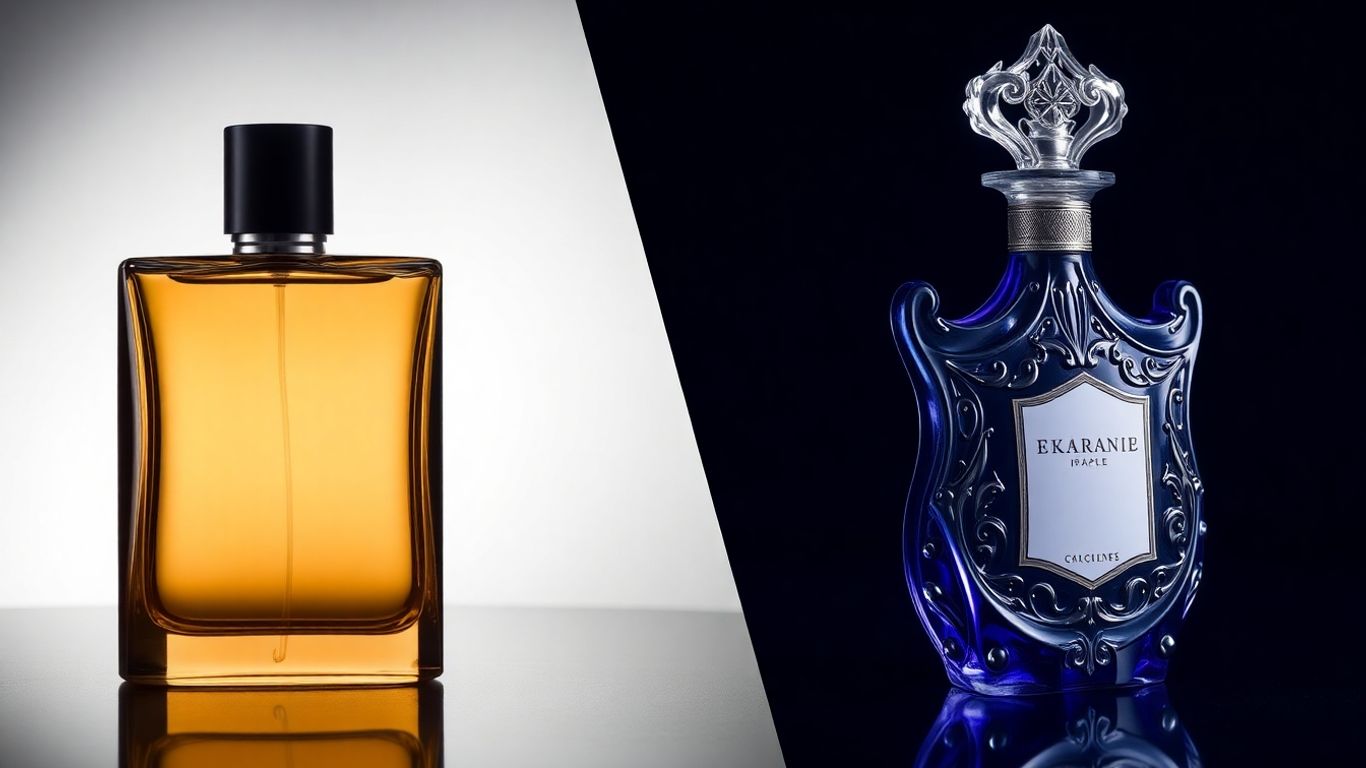
So, we’ve talked about what makes designer and niche fragrances tick. Now, how do we actually pick the right one for us? It’s not always a straightforward decision, is it? We often find ourselves drawn to the familiar names on the high street, but then there’s that whisper of something more unique from the niche world. Let’s break down when each might be the better pick.
When to opt for a designer fragrance
Honestly, designer scents are brilliant for a lot of reasons. They’re usually the ones you can easily find in department stores or even your local chemist, making them super accessible. Plus, they’re often priced in a way that means you can build up a bit of a collection without breaking the bank. If you’re looking for something that’s generally pleasing, widely recognised, and perhaps a bit of a crowd-pleaser, a designer fragrance is often a safe bet. They’re great for everyday wear, for when you want to smell nice but don’t necessarily need a statement. Think of them as the reliable friends of the fragrance world – always there, always pleasant.
- Accessibility: Easy to find in most high-street stores.
- Affordability: Generally more budget-friendly, allowing for variety.
- Familiarity: Often feature popular, well-liked scent profiles.
- Marketing: Strong brand recognition and advertising campaigns.
Sometimes, you just want a scent that’s easy to grab and smells good without a lot of fuss. Designer fragrances often fit that bill perfectly. They’re the go-to for many of us when we need a quick spritz before heading out the door, and there’s absolutely nothing wrong with that.
When a niche perfume might be the perfect fit
Now, if you’re after something a bit more special, something that tells a story or uses ingredients you won’t find everywhere, then niche is probably where you’ll want to look. These are the fragrances for when you want to stand out, to wear something that feels truly personal and perhaps a little bit luxurious. They’re often made in smaller batches by perfumers who are really passionate about their craft, using unique combinations of notes. If you’re a fragrance enthusiast, someone who loves exploring different scent families and appreciates the artistry behind a perfume, then a niche scent could be your next favourite thing. It’s about owning something a bit different, a scent that’s less likely to be worn by everyone else you meet.
- Uniqueness: Offers distinctive and often avant-garde scent profiles.
- Quality Ingredients: Frequently uses rare or high-quality natural components.
- Exclusivity: Small-batch production means a more limited and special feel.
- Artistry: Created by perfumers with a focus on creative expression.
Finding a scent that truly resonates with you
Ultimately, the best fragrance is the one that makes you feel good. It’s about how it smells on your skin and how it makes you feel. Don’t be afraid to try both designer and niche options. Go to a department store and test a few designer scents, then maybe visit a specialist perfumery or browse online for niche brands. Pay attention to how they develop over time on your skin. What notes do you pick up? Does it last? Does it make you happy? That’s the real test. It might be a well-known designer scent that just clicks, or it could be an obscure niche creation that becomes your signature. The journey is part of the fun, really.
Longevity and performance: a key factor in designer vs. niche comparisons
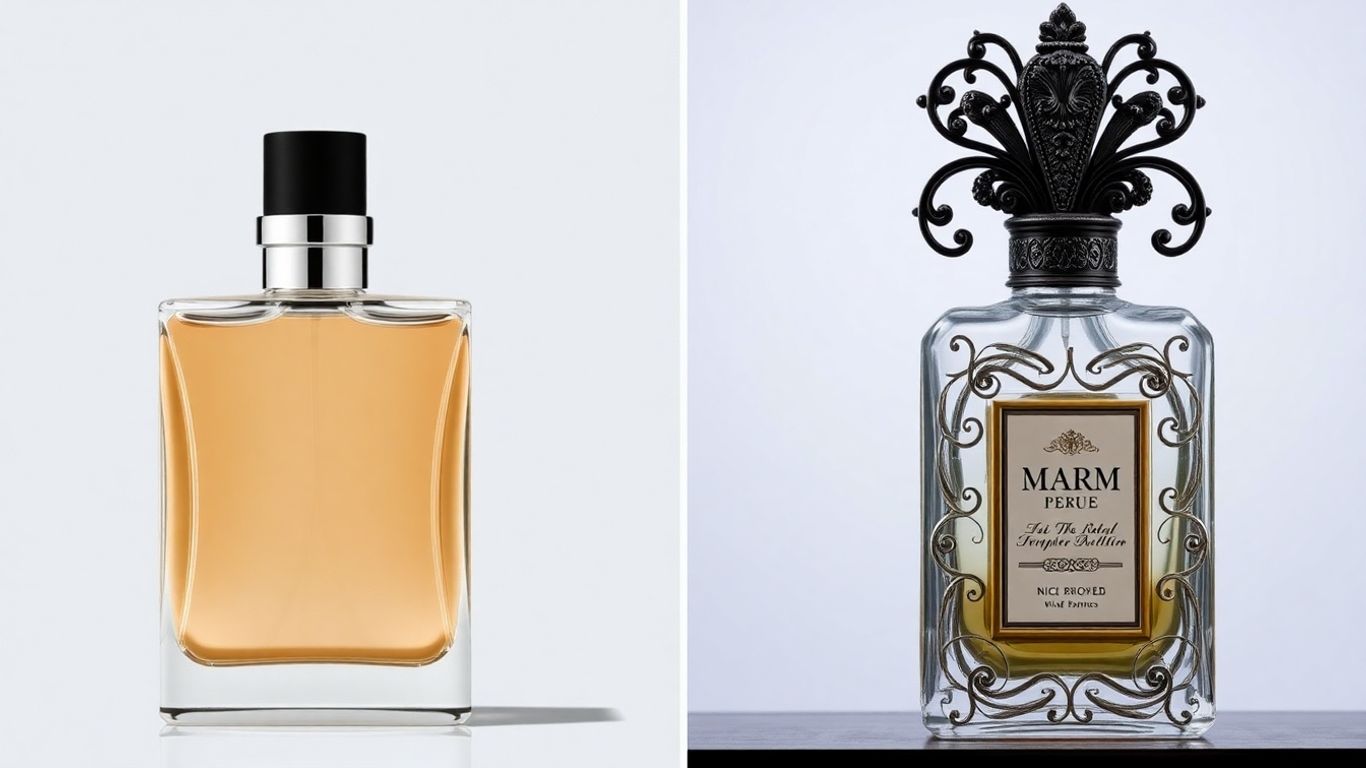
When we're picking out a new scent, how long it lasts on our skin and how strong it projects is a pretty big deal, right? It’s one of the main ways designer and niche fragrances can really differ.
Higher oil concentration in niche creations
Generally speaking, niche perfumes tend to pack more of a punch when it comes to longevity. This is often down to the concentration of perfume oil they use. While designer scents might sit around the 5-15% mark, niche creations often jump up to 15-30%. What does this mean for us? Well, a higher oil concentration usually translates to a scent that sticks around for much longer – we’re talking potentially 8 to 24 hours, compared to the 4 to 6 hours you might get from a designer option.
The impact of ingredients on scent duration
It’s not just about the percentage of oil, though. The quality of those ingredients plays a massive role too. Niche brands often favour natural, sometimes rare, ingredients. Think real rose oil, rich oud, or earthy ambrette. These natural components can have a deeper, more complex scent profile that also tends to linger beautifully on the skin. Designer fragrances, while still lovely, often rely more on synthetic compounds to keep costs down and achieve a certain mass appeal. These can sometimes evaporate a bit quicker.
Comparing sillage and overall strength
So, we’ve talked about how long they last, but what about how far they project? This is known as sillage. Niche perfumes, with their higher oil content and often bolder ingredient choices, typically have a stronger sillage. They create more of a scent bubble around you, making them more noticeable. Designer scents usually aim for a more moderate projection, something that’s pleasant but not overpowering for a wider audience. It’s a trade-off, really – do you want a scent that announces your arrival, or one that’s a more intimate discovery?
Here’s a quick look at what we generally see:
| Feature | Designer Perfumes | Niche Perfumes |
|---|---|---|
| Oil Concentration | 5-15% | 15-30% |
| Lasts For | 4-6 hours | 8-24 hours |
| Sillage (Scent Strength) | Moderate | Strong to Intense |
| Ingredients | Mostly synthetic | High-quality natural |
Ultimately, if you’re looking for a fragrance that’s going to see you through the entire day (and maybe even into the next!), a niche option might be your best bet. But if you prefer a lighter touch or enjoy reapplying your scent throughout the day, a designer fragrance can still be a fantastic choice.
Identifying your personal fragrance style
We all have scents that just feel right, don't we? It’s like finding a song that perfectly captures your mood or a piece of clothing that just fits like a glove. Figuring out your personal fragrance style is a bit like that, but with your nose. It’s about connecting with smells that genuinely make you feel good, confident, or even a bit nostalgic. Think about the smells you're naturally drawn to – maybe it’s the fresh scent of rain on pavement, the warmth of vanilla, or the crispness of pine needles. These preferences are often a good starting point.
How scent families align with personality
Fragrances are usually grouped into families, and these can give us clues about our own personalities. For instance:
- Floral: Often associated with people who are romantic, gentle, and appreciate classic beauty. Think of rose, jasmine, or lily of the valley.
- Woody: Tends to appeal to those who are grounded, sophisticated, and perhaps a bit more reserved or introspective. Notes like sandalwood, cedarwood, and vetiver are common here.
- Fresh/Citrus: Usually linked with energetic, outgoing, and optimistic individuals. Lemon, bergamot, and grapefruit scents fall into this category.
- Oriental/Spicy: Often favoured by people who are bold, sensual, and enjoy making a statement. Spices like cinnamon, cardamom, and notes like amber and musk are key.
Of course, these are just general ideas, and many of us enjoy a mix of different scent families. It’s not about boxing yourself in, but rather understanding what kinds of aromas tend to make you feel your best.
The importance of scent as self-expression
Honestly, perfume is more than just a pleasant smell; it’s a way we communicate without saying a word. It can hint at our mood, our intentions, or even our memories. Wearing a scent that truly reflects who we are can be incredibly empowering. It’s like adding the final, perfect accessory to your outfit, but one that speaks volumes about your inner world. It’s a personal signature that can leave a lasting impression.
Discovering your signature scent through exploration
Finding that perfect scent isn't always instant. It often involves a bit of trial and error, which can actually be quite fun! Here’s a simple approach we like to take:
- Start with what you know: What perfumes have you liked in the past? What notes do you remember enjoying?
- Explore scent families: Visit a department store or a specialist perfumery and try smelling different fragrances from various families. Don't be afraid to try things you wouldn't normally pick.
- Test on skin: A scent can smell very different on a paper strip compared to your own skin. Spray a little on your wrist and let it develop for a few hours.
- Consider the occasion: Do you want something for everyday wear, special evenings, or perhaps something that bridges the gap?
It’s really about paying attention to how a fragrance makes you feel. Does it lift your spirits? Does it make you feel confident? Does it simply bring you joy? Those are the real indicators that you’re on the right track to finding a scent that’s uniquely yours.
So, What's the Verdict?
Ultimately, whether you lean towards the familiar charm of designer scents or the intriguing uniqueness of niche fragrances, the most important thing is finding what makes you feel good. We’ve seen how designer options offer accessibility and broad appeal, often acting as a great starting point. Niche perfumes, on the other hand, provide that special something, a more artistic and exclusive experience for those seeking a distinct signature. Don't be afraid to explore both worlds; your perfect scent is out there, waiting to be discovered. It’s all about personal preference and enjoying the journey of finding that special aroma that truly speaks to you.
Frequently Asked Questions
So, what's the big difference between designer and niche perfumes?
Basically, designer perfumes are made by big fashion brands you see everywhere, like Gucci or Dior. They're designed to be liked by lots of people and are usually easier to find and cheaper. Niche perfumes, though, are made by smaller, special perfume makers who focus on being creative and using really cool, sometimes rare, ingredients. They're more exclusive and often cost a bit more.
Why do niche perfumes cost more than designer ones?
It's mostly because niche perfumes use super high-quality, often natural ingredients that can be quite rare, like special tree resins or unique flowers. Plus, they're made in smaller batches by skilled perfumers, which takes more time and care. Think of it like buying a handmade item versus something mass-produced – the craftsmanship really adds to the price.
Are niche perfumes really that much better?
It's not really about 'better,' but more about what you're looking for! Designer scents are great for everyday wear and are super accessible. Niche perfumes, however, often offer a more unique, complex scent experience that lasts longer because they usually have more perfume oil in them. They're for when you want something truly special and different.
How can I figure out if I prefer designer or niche scents?
The best way is to try them out! Think about what kind of smells you generally like – are you drawn to fresh, floral, woody, or sweet scents? You can often find samples or try them in stores. See which ones you keep thinking about or which ones get you compliments. It’s all about finding what makes *you* feel good.
Do niche perfumes actually last longer on your skin?
Generally, yes! Niche perfumes tend to have a higher concentration of perfume oils compared to many designer fragrances. This means they often have a stronger scent and can stick around for much longer, sometimes all day, without needing to reapply.
If I want to try a niche perfume, where should I start?
That's a fun question! Since they're more unique, it's cool to explore brands that are known for their artistry. Some popular ones that people often start with include brands like Byredo, Le Labo, or Creed. You can often find these in special department stores or their own boutiques. Just go in and chat with the staff; they're usually super knowledgeable!