We all know how our wardrobes change when the seasons shift, right? Well, our perfume choices should probably get a similar update. It's not just about what smells nice; it's about how a scent actually performs in different temperatures and how it makes us feel. We're going to chat about what perfume is best for summer and winter, and why switching things up can make a big difference to how we smell and feel all year round.
Key Takeaways
- Summer scents tend to be light and fresh, think citrus, florals, and aquatic notes to keep you cool. What perfume is best for summer often means something that doesn't feel heavy in the heat.
- Winter calls for warmer, deeper fragrances. Spicy, woody, amber, and vanilla notes create a cosy, comforting aura when it's cold outside.
- Concentration matters: lighter options like Eau de Toilette are great for summer, while richer Eau de Parfum or Parfum work better in winter to ensure your scent lasts.
- Temperature really affects how perfume smells and lasts. Heat makes scents project more and evaporate faster, while cold can make them seem weaker.
- Building a seasonal scent wardrobe is about more than just the notes; it's about matching your fragrance to your mood and the overall vibe of the season.
Understanding seasonal scent preferences

We all have those days, don't we? Where the weather outside just feels like it dictates what we should be wearing, or even what we fancy eating. Well, it turns out our noses are much the same when it comes to perfume. Our preferences for certain scents can really shift as the seasons change, and there are a few reasons why.
Why your perfume preferences change with the weather
Think about it: when it's boiling hot outside, the last thing you probably want is something heavy and cloying. You're more likely to reach for something that feels clean and refreshing, right? Conversely, when it's chilly and you're wrapped up in jumpers, a lighter scent might just get lost. It's not just about what we like, though. The actual temperature plays a big part in how a fragrance behaves on our skin.
How temperature affects fragrance perception
Heat makes molecules move faster, which means a perfume can become more intense and project further when it's warm. This can be lovely, but sometimes it can make certain notes a bit too loud, or even change the scent in a way we don't enjoy. On the flip side, cold weather slows things down. Scents might not seem as strong, and sometimes the deeper, base notes come to the fore more noticeably. Humidity can also have an effect, making some scents smell sweeter or more floral.
The role of mood in seasonal scent choices
Beyond the practicalities, our mood plays a huge part. Summer often brings a feeling of lightness and freedom, so we naturally gravitate towards scents that mirror that. Winter, with its cosy evenings and desire for comfort, calls for something warmer and more enveloping. It’s like building a little scent wardrobe that matches how we feel and the world around us.
Here's a rough guide to how scent perception can change:
| Condition | Effect on Fragrance |
|---|---|
| High Temperature | Increased intensity, faster evaporation, notes can shift |
| Low Temperature | Reduced projection, base notes may become more prominent |
| High Humidity | Amplifies sweet/floral notes, can feel heavier |
| Dry Air | Scent may seem sharper, less rounded |
Ultimately, while there are general trends and practical reasons for seasonal scent choices, the most important factor is what makes you feel good. Don't be afraid to experiment and trust your own nose.
What perfume is best for summer?
Embracing fresh and light summer notes
When the sun starts to really shine and the days get longer, our noses often crave something a bit lighter and brighter. We tend to move away from those heavy, musky scents that felt so cosy in winter and reach for fragrances that feel like a breath of fresh air. Think of it like swapping your thick jumper for a light linen shirt – your perfume should feel just as breezy. The key here is to find notes that evoke that feeling of sunshine, open spaces, and a general sense of lightness. It’s all about capturing that carefree summer vibe in a bottle.
Citrus and aquatic scents for warm days
For those really warm days, nothing beats a spritz of something zesty or watery. Citrus notes, like lemon, lime, bergamot, and grapefruit, are fantastic because they’re naturally uplifting and invigorating. They cut through the heat and feel incredibly refreshing. Then there are the aquatic or marine notes. These scents are designed to smell like the sea breeze, a cool ocean spray, or even just the clean scent of fresh water. They’re subtle but incredibly effective at making you feel cool and collected, even when the temperature is soaring. Honestly, a good citrus or aquatic scent can make you feel instantly more put-together on a sweltering afternoon.
Floral and green fragrances for a breezy feel
Beyond the zing of citrus and the coolness of aquatics, we also find ourselves drawn to lighter florals and green notes as summer rolls in. Imagine walking through a blooming garden on a warm evening or a meadow after a light rain shower. That’s the kind of feeling we’re talking about. Think delicate floral notes like jasmine, peony, or neroli, which are aromatic without being too heavy or sweet. Green notes, such as freshly cut grass, mint, or even subtle hints of cucumber, add a crisp, natural element that’s incredibly appealing. These types of scents are perfect for everyday wear, whether you're heading to the office, meeting friends for lunch, or just enjoying a quiet afternoon in the garden. They offer a gentle, natural freshness that complements the season beautifully.
Choosing the right summer fragrance concentration
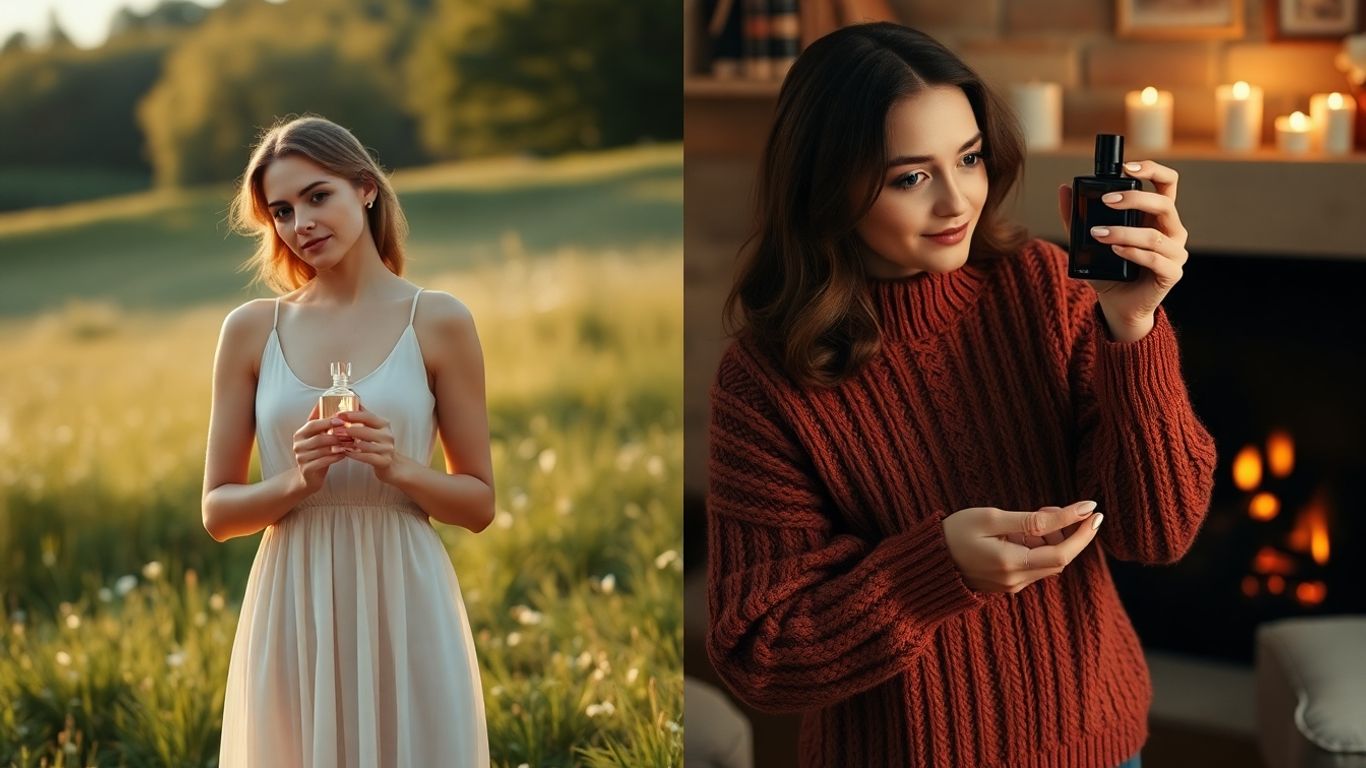
When the sun's out and things heat up, we tend to reach for lighter clothes, and our perfume choices should follow suit. It's all about finding that sweet spot where your scent feels refreshing and not overwhelming. Think of it like this: a heavy wool jumper in July? Not ideal. The same goes for a super strong perfume when the temperature soars.
Lighter concentrations for warmer weather
The key here is to opt for concentrations that have less perfume oil. This means the scent won't be as potent, and it'll feel much more comfortable to wear when you're feeling a bit sticky. It's about a gentle waft of fragrance, not a full-on scent cloud that can become a bit much in the heat. We want to feel breezy, not bogged down.
Eau de Toilette and Eau Fraiche options
So, what exactly should we be looking for? Well, Eau de Toilette (EDT) is a great starting point. It typically contains around 5-15% perfume oil, making it lighter than an Eau de Parfum. Then there's Eau Fraiche, which is even lighter, often with just 1-3% oil. These are fantastic for reapplying throughout the day, giving you a little pick-me-up without being too intense. They're perfect for those days when you just want a hint of something lovely.
Here's a quick rundown:
- Eau Fraiche: The lightest option, great for a subtle, refreshing spritz. Think of it as a scented mist.
- Eau de Cologne (EDC): Similar to Eau Fraiche, usually a bit more citrus-forward and very refreshing.
- Eau de Toilette (EDT): A good balance of scent and lightness, ideal for everyday wear in summer.
Balancing freshness with longevity in summer
It can be a bit of a balancing act, can't it? We want something light and fresh, but we also want it to last a decent amount of time. Sometimes, these lighter concentrations can fade a bit quicker. What we've found helpful is to:
- Apply to pulse points: Wrists, behind the ears, and the décolletage are good spots. The warmth here helps the scent develop.
- Consider layering: You could use a lightly scented body lotion in the same fragrance family before applying your EDT or Eau Fraiche. This gives the scent something to cling to.
- Carry a travel spray: For those longer days out, having a small rollerball or travel spray of your summer scent is a lifesaver for a quick refresh.
Sometimes, the best approach is to embrace the ephemeral nature of lighter summer scents. Instead of trying to make them last all day, enjoy their fleeting freshness and reapply as needed. It becomes part of the summer ritual, a little moment of refreshment.
What perfume is best for winter?
Embracing warm and deep winter notes
As the temperature drops and we start layering up, our perfume choices naturally shift too. Gone are the light, airy scents of summer; winter calls for something a bit more substantial, something that feels like a warm hug. We're talking about fragrances that wrap around you, offering comfort and a touch of luxury against the chill. Think of it as an olfactory blanket – rich, enveloping, and utterly cosy. The key here is to look for notes that have a natural warmth and depth, ones that don't evaporate too quickly in the dry winter air.
Spicy and woody scents for cosy days
When we think of winter, spices often come to mind, don't they? Things like cinnamon, clove, and nutmeg just feel right when it's cold outside. These notes add a wonderful warmth and a festive feel to a fragrance. They're not just for Christmas, either; they bring a comforting aroma that's perfect for any chilly day. Alongside these spices, woody notes are absolute stars in winter perfumery. Scents like sandalwood, cedarwood, and patchouli offer a grounding, earthy quality. They create a sophisticated base that feels both natural and luxurious. A fragrance that blends these spicy and woody elements can feel incredibly cosy, like sitting by a crackling fire with a good book. It’s about creating a personal atmosphere of warmth and comfort, no matter what the weather's doing outside.
Rich amber and vanilla for a comforting aura
Beyond the spices and woods, there are other notes that just scream 'winter comfort'. Amber, with its resinous, slightly sweet, and warm character, is a prime example. It adds a beautiful richness and a smooth, almost velvety texture to a scent. Then there's vanilla. Oh, vanilla! It’s universally loved for its sweet, creamy, and deeply comforting aroma. In winter perfumes, vanilla often takes on a more sophisticated, less sugary persona, blending beautifully with other rich notes to create something truly indulgent. These amber and vanilla combinations are fantastic for creating a comforting aura around you. They feel familiar and inviting, making them perfect for everyday wear or for those special occasions when you want to feel extra snug and sophisticated. These deeper, richer scents are perfect for winter because they tend to last longer on the skin and project more subtly in cooler, drier air.
- Spicy Notes: Cinnamon, Clove, Cardamom, Nutmeg
- Woody Notes: Sandalwood, Cedarwood, Patchouli, Vetiver
- Sweet & Resinous Notes: Amber, Vanilla, Tonka Bean, Benzoin
When choosing a winter fragrance, don't be afraid to go for something a little bolder. The cooler temperatures mean that heavier scents won't feel overwhelming. Instead, they'll provide a beautiful, lasting impression that complements the season perfectly.
Selecting winter fragrances for longevity
Higher concentrations for colder months
When the temperature drops, our perfume choices often shift. We tend to reach for scents that feel warmer and more substantial, and this is where fragrance concentration really comes into play. Think about it: when you're layering up in scarves and jumpers, a lighter scent might just get lost. That's why, for winter, we often favour higher concentrations. These are the fragrances that have more of the actual perfume oil mixed in with the alcohol and water, meaning they tend to stick around for longer.
Eau de Parfum and Parfum for lasting scent
So, what does 'higher concentration' actually mean in perfume terms? Well, it usually points us towards Eau de Parfum (EDP) or even Parfum (sometimes called Extrait de Parfum). An EDP typically has around 15-20% perfume oil, while Parfum can have 20% or even more. This means they're designed to be more potent and, importantly, more long-lasting. They can cut through the heavier fabrics we wear in winter and project a bit more, giving you that comforting scent bubble that lasts all day. It's a bit like choosing a thicker knit for a chilly day – it just offers more warmth and staying power.
Deep base notes that linger in winter
Beyond just the concentration, the actual notes within a winter fragrance play a big part in its longevity. While lighter, fresher notes like citrus or delicate florals tend to evaporate more quickly, winter scents often rely on what we call 'base notes'. These are the heavier, richer ingredients that form the foundation of a perfume. Think warm vanilla, deep amber, spicy cinnamon, rich woods like sandalwood or cedar, or even leathery accords. These notes are naturally slower to evaporate, meaning they create a scent that lingers on your skin and clothes for hours. It’s these deep, comforting aromas that really define a winter fragrance and give it that enduring quality we crave when it’s cold outside.
Here's a quick look at how concentrations generally stack up:
| Concentration | Typical Perfume Oil Percentage | Longevity Expectation |
|---|---|---|
| Eau de Cologne | 2-4% | 1-2 hours |
| Eau de Toilette | 5-15% | 3-4 hours |
| Eau de Parfum | 15-20% | 5-8 hours |
| Parfum (Extrait) | 20%+ | 8+ hours |
Tips for building your seasonal scent wardrobe
So, we've talked about what works for summer and what's great for winter. Now, how do we actually put together a collection that feels right for us throughout the year? It's not about having a million bottles, honestly. A few well-chosen scents can make all the difference.
Considering notes that complement the season
Think about what the season feels like. Summer often calls for things that are bright and airy. We're talking about citrus bursts, light florals, maybe even something that smells like the sea. These notes just seem to match the longer days and warmer air, don't they? For winter, we want the opposite. We're looking for scents that wrap you up, like warm spices, rich woods, or sweet vanilla. These notes feel comforting when it's cold outside.
- Summer Vibes: Citrus (lemon, bergamot), Aquatic (sea salt, marine notes), Light Florals (jasmine, lily of the valley), Green (grass, mint).
- Winter Comforts: Spices (cinnamon, clove), Woods (sandalwood, cedarwood), Rich Gourmands (vanilla, caramel), Amber.
Layering fragrances for a unique signature
This is where things get really fun. Layering is basically mixing scents to create something totally new and personal. You could take a lighter, fresher scent and add a touch of something deeper underneath. For example, maybe a citrusy body mist over a vanilla-scented lotion. It adds complexity without being overwhelming. It’s a great way to adapt a favourite scent for a different season, too. Just be mindful of how the notes will play together – sometimes less is more.
Experimenting with scent to match your mood
Ultimately, perfume is personal. While seasons give us a good starting point, don't be afraid to go with how you feel. If it's a grey winter day and you need a pick-me-up, why not wear that bright, summery scent? Or if you're feeling cosy indoors during summer, a warmer, richer fragrance might be just the thing. Your scent should make you feel good, whatever the weather. It's about finding what brings you joy and confidence.
The most important thing is to wear what you love. Don't get too caught up in rules. If a scent makes you happy, then it's the right scent for you, right now.
Here's a quick look at how you might start:
- Start Small: You don't need dozens of bottles. Two or three well-chosen scents – one for warm weather, one for cool, and maybe one versatile 'in-between' option – can be enough.
- Test on Skin: Always try a perfume on your skin before buying. It smells different on everyone, and your body chemistry matters.
- Consider the Occasion: A light scent might be perfect for a casual day, while something richer could be lovely for an evening out.
So, What's the Takeaway?
Right then, we've had a good look at how to pick out scents that just feel right for summer versus winter. It’s not about sticking to strict rules, really. It’s more about tuning into what makes you feel good, whether that’s a zesty little number to perk you up on a hot day or something warm and comforting when it’s freezing outside. Think about those notes we chatted about – the light, fresh ones for when it’s sunny, and the deeper, spicier ones for when it’s chilly. Ultimately, the best perfume is the one that makes you happy when you wear it, so go with your gut and enjoy finding your perfect seasonal scent!
Frequently Asked Questions
Do we really need different perfumes for summer and winter?
Not strictly! If you've got a scent you adore, wear it all year round. However, some perfumes just smell better when the weather's right. Having a couple of seasonal choices can make your favourite smells feel even more special.
Why does my perfume seem to vanish in winter?
Our skin gets drier when it's cold, and dry skin doesn't hold onto scents as well. Try putting on some moisturiser first, or even a lightly scented lotion, and your perfume should stick around for longer.
What's the best way to put on perfume when it's hot?
Go easy on it! Spray just a little on your pulse points, like your wrists or behind your ears. You can also lightly mist your clothes or hairbrush for a softer, more spread-out scent that won't be too much in the heat.
Is it okay to wear strong, heavy scents in summer?
You can, but they might feel a bit overwhelming when it's really hot. If you love a deep, rich smell, maybe try using just a tiny bit, or look for a lighter version of it to wear during the summer months.
Can guys wear floral or sweet-smelling perfumes?
Absolutely! Perfume doesn't have any gender rules. If a scent smells good on you and makes you feel like your best self, then that's all that matters. Go for it!
How can we make our perfume last longer in different seasons?
In summer, lighter sprays like Eau de Toilette or Eau Fraiche work well and don't get too heavy. In winter, go for richer options like Eau de Parfum or Parfum, as they tend to last longer on the skin and through layers of clothing.