We all love a good spritz of perfume to finish off our look, right? But have you ever noticed a weird yellow patch appear on your favourite shirt after you’ve put some on? It’s a bit of a head-scratcher, and honestly, a bit annoying. We’ve been wondering about this too, so we decided to dig into whether perfumes can actually stain clothes and what we can do about it. It turns out there’s a bit more to it than just the scent itself.
Key Takeaways
- Yes, perfumes can definitely stain clothes, often showing up as yellow or brown discolouration.
- The ingredients in perfumes, along with things like light and air, can react with fabric dyes over time.
- Applying perfume to your skin first, rather than directly onto clothes, is the best way to avoid stains.
- If you do get a spill, act fast! Blotting and gentle cleaning can help minimise the damage.
- Proper storage and careful washing are key to keeping your clothes looking their best and free from perfume marks.
Can perfumes stain clothes?
Right, let's get straight to it: can perfume actually leave a mark on our clothes? The short answer is, yes, it absolutely can. We've all been there, haven't we? A little too enthusiastic with the spritz, and suddenly you're wondering if that faint mark is going to become a permanent fixture on your favourite jumper. It's a bit of a worry, especially when you've invested in nice fabrics.
Understanding perfume discolouration
So, why does this happen? It's not usually the perfume itself magically turning into a dye, but more about how its components interact with the fabric over time. Think of it like this: perfume is a complex mix of oils, alcohol, and scent molecules. When these hit certain fabrics, especially lighter colours, they can sometimes leave a residue. This residue, over time and with exposure to things like light and heat, can start to look like a stain or a yellowing effect. It's particularly noticeable on whites and pastels, which is a bit of a bummer.
The science behind fabric yellowing
That yellowing we sometimes see? It's often down to a few things. Some ingredients in perfumes, like certain oils or compounds that give them their lovely scent (think vanilla notes, for example), can oxidise. This means they react with the air. When this happens on fabric, it can cause a discolouration. It's a bit like how an apple can turn brown after you cut it – a chemical reaction. The alcohol in the perfume can also play a part, sometimes breaking down the fabric's fibres or interacting with any existing finishes on the material, which can lead to a change in colour.
How perfume ingredients affect fabric dyes
Different fabrics have different dyes, and these dyes can be sensitive. Some perfume ingredients, especially those with strong colourants or oils, can react with the dyes already present in your clothes. This can cause the dye to fade in that specific spot, or worse, it can cause a colour transfer, where the perfume ingredient essentially 'bleeds' its own colour onto the fabric. It's why natural fabrics or those with delicate dyes are often more susceptible. We've found that darker, richer scents sometimes seem to be the culprits, but even lighter ones can cause issues if they contain certain reactive compounds.
Factors contributing to fabric discolouration
So, we've chatted about how perfumes can sometimes leave their mark, but it's not just the spritz itself that can cause issues. A few other things play a part in why our clothes might start looking a bit off colour over time. It's a bit like how our skin ages, really – a combination of what we expose it to and just the natural passage of time.
The impact of light exposure
We all know sunlight can fade things, right? Well, our clothes are no different. That bright sunshine, especially the UV rays, can actually break down the dyes in our fabrics. It's called photodegradation, and it means the colours just get weaker and weaker. Even artificial lights, like those bright LEDs or fluorescent bulbs we have at home, can contribute over long periods, though usually not as intensely as the sun. Some fabrics, like cotton and silk, are a bit more sensitive to this than others, which are sometimes treated to be more resistant.
Oxidation and its effect on fibres
This one's a bit more technical, but basically, when fabrics are left hanging around, exposed to the air, a slow chemical reaction called oxidation happens. Think of it like a piece of fruit browning when you leave it out. Over time, this can give fabrics a bit of a yellow or brownish tinge. It's a natural process, but it's one of the reasons why whites might not stay bright white forever.
Temperature and humidity's role
Heat and moisture are also sneaky culprits. Washing clothes on a really hot setting, or drying them on a high heat in the tumble dryer, can speed up the fading process. The heat can literally wash out or degrade the dyes. Similarly, if clothes are stored in a damp, humid place, it can encourage chemical reactions that dull the colours, and in worst-case scenarios, even lead to mould or mildew, which is a whole other problem.
It's worth remembering that the type of fabric itself makes a difference too. Some materials are just better at holding onto their colour than others, depending on how they're made and dyed.
Here's a quick look at how different factors can affect colour:
- Light Exposure: UV rays from the sun are the main offenders, breaking down dyes.
- Oxidation: Exposure to air can cause a gradual yellowing over time.
- Temperature: High heat during washing or drying can accelerate colour loss.
- Humidity: Damp conditions can promote chemical reactions that dull colours and potentially lead to mould.
Preventing perfume-related fabric stains
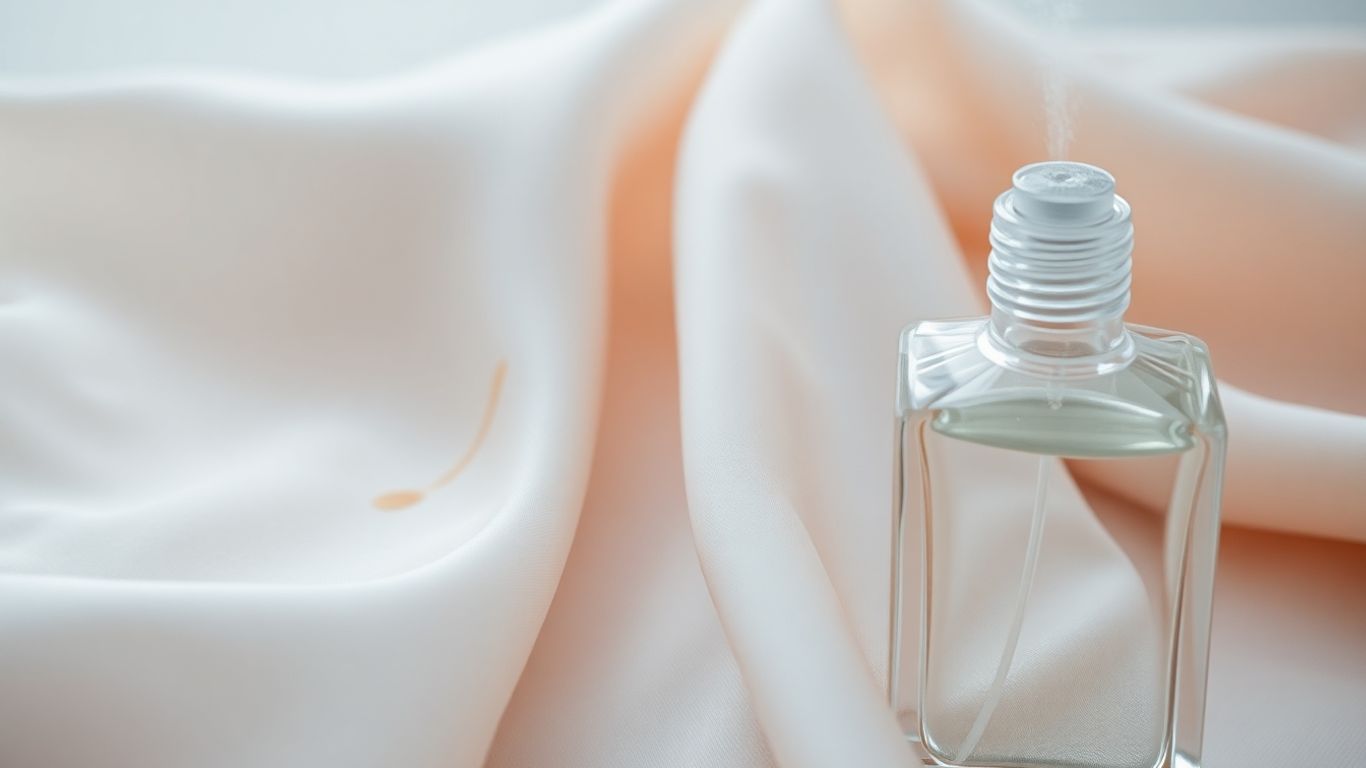
We've all been there, haven't we? A little too much enthusiasm with the perfume bottle, and suddenly, you're worried about leaving a scent-shaped mark on your favourite jumper. It's a common worry, but thankfully, there are some straightforward ways we can avoid this altogether. It’s all about being a bit mindful when we apply our fragrances.
Smart application techniques
This is probably the most important part. How we put on our perfume makes a huge difference. Instead of spraying directly onto clothes, which is a direct route to potential stains, we can try a few different methods. A good trick is to spray the perfume into the air a little distance away from you and then walk through the mist. This creates a much lighter, more even distribution. Another tip is to spray onto pulse points on your skin, like your wrists or neck, and let it dry naturally. Avoid rubbing your wrists together, as this can break down the fragrance molecules and potentially transfer more onto any fabric it touches.
Here are a few more ideas:
- Distance is key: Hold the bottle about 15-20 cm away from your skin or clothing when spraying.
- Less is more: Start with one or two sprays. You can always add more later if needed, but you can't easily take it away.
- Target pulse points: Wrists, neck, behind the ears, and the inner elbows are great spots. The body heat here helps diffuse the scent.
- Consider a perfume oil or mist: These often have a lighter concentration and are less likely to cause issues than heavier Eau de Parfum sprays.
Applying perfume thoughtfully is like dressing well – it's about making a good impression without being overbearing. A subtle scent is often more memorable than a strong one.
Choosing the right fabrics
Some fabrics are just more prone to showing perfume marks or discolouration than others. Natural fibres like silk and wool can be a bit more sensitive to the oils and alcohol found in perfumes. Synthetic fabrics might react differently too. Generally, tightly woven fabrics might show stains more readily than loosely woven ones. If you know you're going to be wearing a delicate fabric, it might be wise to opt for a lighter application or a different fragrance altogether. For everyday wear, cottons and linens are usually quite forgiving.
Proper storage of garments
Once our clothes are clean and dry, how we store them also plays a role. If you've applied perfume and it hasn't fully dried before putting an item away, the oils can transfer to the fabric over time, especially if the garment is folded or pressed against other items. It's best to let any perfume dry completely on your skin before dressing, and if you're storing clothes that might have a lingering scent, ensure they are well-aired first. Hanging items rather than folding them can also help prevent concentrated areas of scent from sitting against the fabric for extended periods.
Dealing with accidental perfume spills
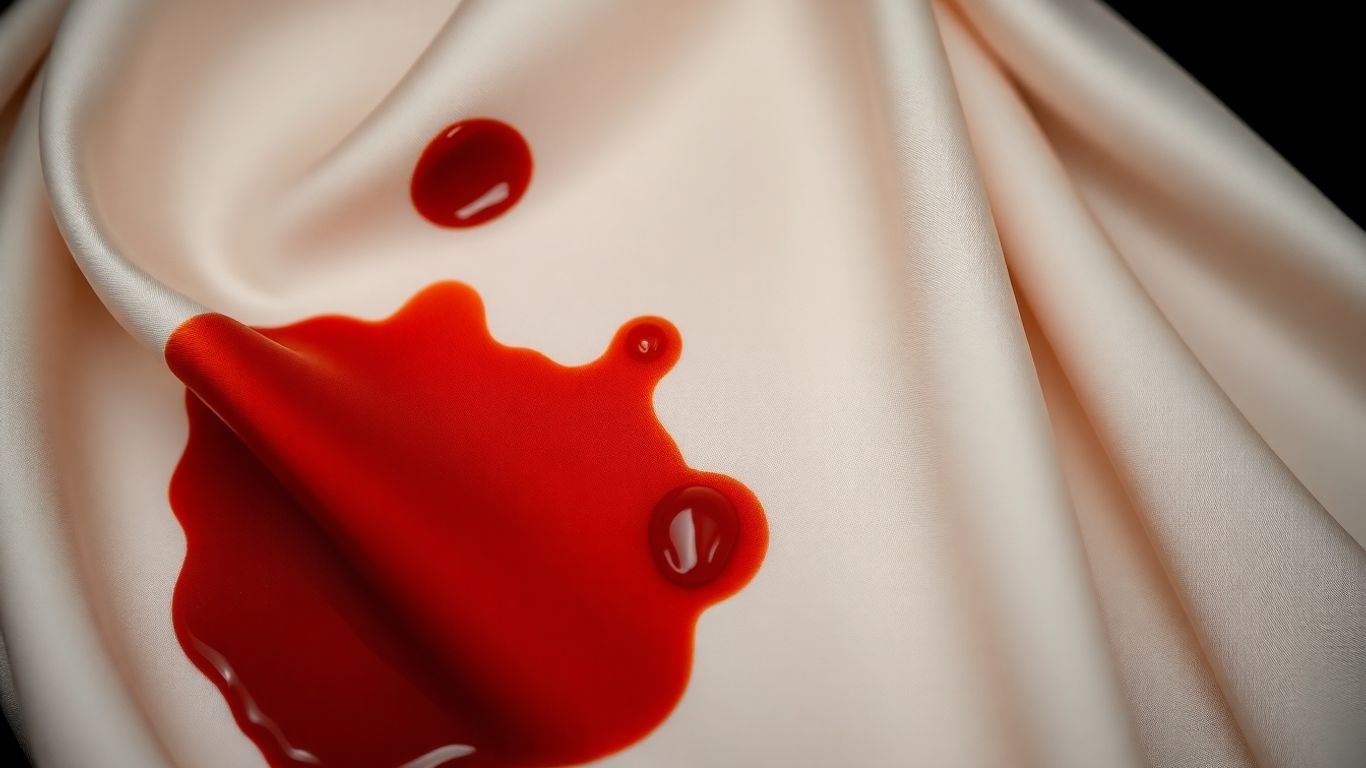
We've all been there, haven't we? A moment of over-enthusiasm with the perfume bottle, and suddenly, you're enveloped in a scent cloud that's a bit much. Or perhaps a clumsy moment resulted in a direct spill onto your favourite shirt. Don't panic! While it might seem like a disaster, there are usually ways to sort it out.
Immediate actions for fresh spills
If you've just had a spill or applied way too much, acting fast is key. The goal is to dilute or remove as much of the perfume as possible before it really sinks into the fabric.
- Blot, don't rub: Grab a clean, dry cloth or some paper towels and gently blot the affected area. This helps soak up any excess liquid without spreading it further.
- Air it out: If it's a case of applying too much, simply hanging the garment in a well-ventilated spot can make a big difference. Let the air do some of the work.
- Cool water rinse: For fabric spills, a quick rinse with cool water can help dilute the perfume. Avoid hot water, as this can sometimes set the stain or intensify the smell.
On-the-go solutions
Sometimes, these little accidents happen when we're out and about, miles away from our washing machine. What can we do then?
- Alcohol-based wipes or sanitiser: If you have an alcohol-based wipe or hand sanitiser handy, these can be surprisingly effective. Gently dab the area. The alcohol helps break down the perfume oils. Just be sure to test on an inconspicuous spot first, especially on delicate fabrics.
- Unscented lotion: A small amount of unscented lotion on a tissue or cotton ball can help. Dab it onto the perfume spot, let it sit for a moment, and then gently wipe away. The oils in the lotion can help lift the perfume.
- Clear spirits (as a last resort): In a pinch, a tiny bit of clear, uncoloured spirit like vodka can work similarly to rubbing alcohol. Again, test first and use sparingly.
It's important to remember that the effectiveness of these methods can depend on the type of fabric and the concentration of the perfume. Always proceed with caution and a bit of common sense.
Washing and care for affected clothing
Once you've dealt with the immediate aftermath, it's time for a proper wash. The aim here is to remove any lingering scent and prevent any potential discolouration.
- Pre-treat if necessary: If you're worried about a stain or a strong scent remaining, you might want to pre-treat the area. A gentle stain remover or a paste made from baking soda and water can be applied before washing.
- Wash as usual (with a boost): Wash the garment according to its care label. Adding a cup of white vinegar to the wash cycle can help neutralise odours and break down perfume residue. Use your regular detergent, perhaps one designed for sensitive fabrics if the garment is delicate.
- Check before drying: Always check the garment after washing to see if the scent or any discolouration has completely gone before putting it in the dryer. Heat from the dryer can permanently set any remaining perfume stains or smells.
Maintaining the vibrancy of your clothes
So, we've talked about how perfumes can sometimes leave their mark, and what factors can make our clothes lose their colour. Now, let's chat about how we can keep our favourite garments looking as good as new for as long as possible. It's not just about avoiding stains; it's about preserving that lovely colour we fell in love with in the first place.
The importance of dye stability
Think of the dye in your clothes like a tiny, colourful tattoo. Some tattoos are designed to last forever, while others fade over time. The same goes for fabric dyes. Dye stability refers to how well the colour is fixed to the fabric fibres. When a dye is stable, it means it's less likely to break down or wash out when exposed to things like sunlight, washing, or even just everyday wear and tear. Manufacturers put a lot of effort into choosing dyes and treatments that make colours stick around. The better the dye stability, the longer your clothes will keep their original brightness. It's a bit like choosing a good quality paint for your walls – you want it to look fresh for years, not just a few months.
Understanding colour fastness
Colour fastness is basically a measure of how resistant a dyed fabric is to fading or bleeding. It's a pretty big deal when we're thinking about how our clothes will hold up over time. There are different types of colour fastness, like how well it stands up to washing, rubbing against other things, or being out in the sun. For instance, a t-shirt that's great at resisting fading from washing might not be so good if you leave it on the washing line in direct sunlight for too long. We often see little symbols on clothing labels that give us a clue about this, but it's good to have a general idea ourselves too.
Here's a quick rundown of common colour fastness tests:
- Wash Fastness: How well the colour stays put when washed.
- Light Fastness: How well the colour resists fading from exposure to light (sunlight or artificial).
- Rubbing Fastness (Crocking): How much colour transfers to other surfaces when rubbed.
- Perspiration Fastness: How the colour holds up against sweat.
Manufacturer's role in colour retention
Honestly, the people making our clothes have a massive part to play in how long their colours last. They're the ones choosing the materials, the dyes, and the finishing processes. If they opt for high-quality, colour-stable dyes and fabrics that are known to hold colour well, our clothes are going to look better for longer. They also provide those all-important care labels. Following those instructions is key! It's a partnership, really. They make it with good colour retention in mind, and we do our bit by caring for it properly.
Sometimes, we might think a garment faded too quickly, but it's worth remembering that the initial quality of the dye and fabric, along with how it's treated from day one, makes a huge difference. It's not always just about how we wash it; the manufacturing process sets the stage for how well that colour will perform over its lifetime.
So, What's the Takeaway?
Right then, we've gone through quite a bit about how our favourite scents can sometimes leave their mark on our clothes. It’s not exactly a rare thing, and often it’s just down to the ingredients in the perfume reacting with the fabric, or even just how we store things. We’ve seen that things like sunlight and even just time can play a part. But the good news is, it’s usually not the end of the world. By being a bit mindful about where we spray, how we store our perfumes, and how we look after our clothes, we can definitely cut down on those annoying discolourations. So, let's keep our wardrobes looking fresh and our favourite fragrances smelling great, without the unwanted stains!
Frequently Asked Questions
Can perfume actually change the colour of my clothes?
Yep, it totally can! Sometimes, the ingredients in perfumes, especially darker ones or those with oils, can react with the fabric and leave a mark or a yellowish tint. It's not always a big stain, but a subtle change in colour can happen, particularly on lighter clothes.
Why do some perfumes seem to get darker over time?
That's usually down to oxidation, which is just a fancy word for ingredients reacting with the air. Think of it like an apple turning brown when you leave it out. Some perfume bits are more likely to do this, and it can make the liquid itself change colour, which might then transfer to your clothes if you spill it.
Does spraying perfume directly onto clothes cause stains?
Spraying directly, especially from close up, is a big no-no if you want to avoid marks. The liquid has a higher chance of soaking into the fabric and leaving a residue or discolouration. It's much safer to spray onto your skin or into the air and let the mist settle.
What's the best way to avoid perfume marks on my favourite outfits?
The easiest way is to apply your perfume and let it dry completely before you get dressed. Another good trick is to spray it onto your pulse points – wrists, neck, behind your ears – and avoid spraying it directly onto your clothes. If you must spray your clothes, do it from a distance and let it dry.
If I accidentally spill perfume on my clothes, what should I do?
Act fast! If it's a fresh spill, gently dab the area with a clean cloth or some paper towel to soak up as much as you can without rubbing it in. For tougher spots, a bit of cool water or a dab of rubbing alcohol (test it on a hidden spot first!) can help break down the perfume before you wash it as normal.
Will washing my clothes help if they have a perfume mark?
Usually, yes! Washing the garment according to its care label is the best bet. Using a good quality detergent and washing in cool or lukewarm water is often enough to lift light marks. For stubborn stains, you might need to pre-treat the area or use a stain remover designed for fabric.