We've all got those favourite scents, right? Sometimes one just isn't quite enough, or maybe we want something a bit more 'us'. Well, we've been playing around with combining different perfumes and lotions, and it turns out you totally can layer scents! It's not as complicated as it sounds, and honestly, it's pretty fun. We're going to walk you through how we figured out if perfumes can be layered and how to start making your own unique smells.
Key Takeaways
- Perfume layering is all about mixing different scented products to create a scent that's uniquely yours and lasts longer.
- Knowing your fragrance families (like floral, woody, or citrus) helps you pick scents that work well together.
- You can start layering with lotions, oils, and perfumes, building up your scent from the skin outwards.
- Experiment with combining similar notes for a smooth blend or contrasting notes for something more surprising.
- Applying your layered fragrance to moisturised skin and pulse points helps the scent last and develop throughout the day.
Understanding the art of fragrance layering
What is perfume layering and why should you care?
So, what exactly is this 'fragrance layering' everyone's talking about? Put simply, it's the art of combining different scented products to create a scent that's all your own. Think of it like mixing colours to paint a picture, but with smells instead. We're not just talking about spraying on a bit of perfume and calling it a day; it's about building a scent profile, layer by layer. Why bother, you ask? Well, it's a fantastic way to make your favourite scents last longer and, more importantly, to craft a fragrance that truly reflects you. It’s like having a secret handshake for your nose – unique and personal.
The benefits of scent layering
There are quite a few good reasons to get into scent layering. For starters, it lets you create a bespoke fragrance. Instead of picking something off the shelf that's almost right, you can mix and match to get that perfect blend. It also really helps your scent stick around. Our skin holds onto fragrance better when it's moisturised, so layering can mean you don't have to keep reapplying throughout the day. Plus, you can control how strong or subtle you want your scent to be. Want a whisper of fragrance for the office? Easy. Need something a bit bolder for an evening out? You can build that up too. Ultimately, it's about celebrating your individuality through scent.
Can perfumes be layered?
Absolutely, yes! Perfumes can definitely be layered. It's not just a myth or something only for the pros. The key is to start simple and experiment. You can layer different types of products, like a scented body lotion with an eau de parfum, or even combine two complementary perfumes. The trick is to think about how the scents will work together. Some people like to stick to similar fragrance families, while others enjoy playing with contrasting notes for a more complex aroma. It's all about finding what smells good to you. Don't be afraid to try things out; that's how you discover your signature scent.
Getting started with your scent journey
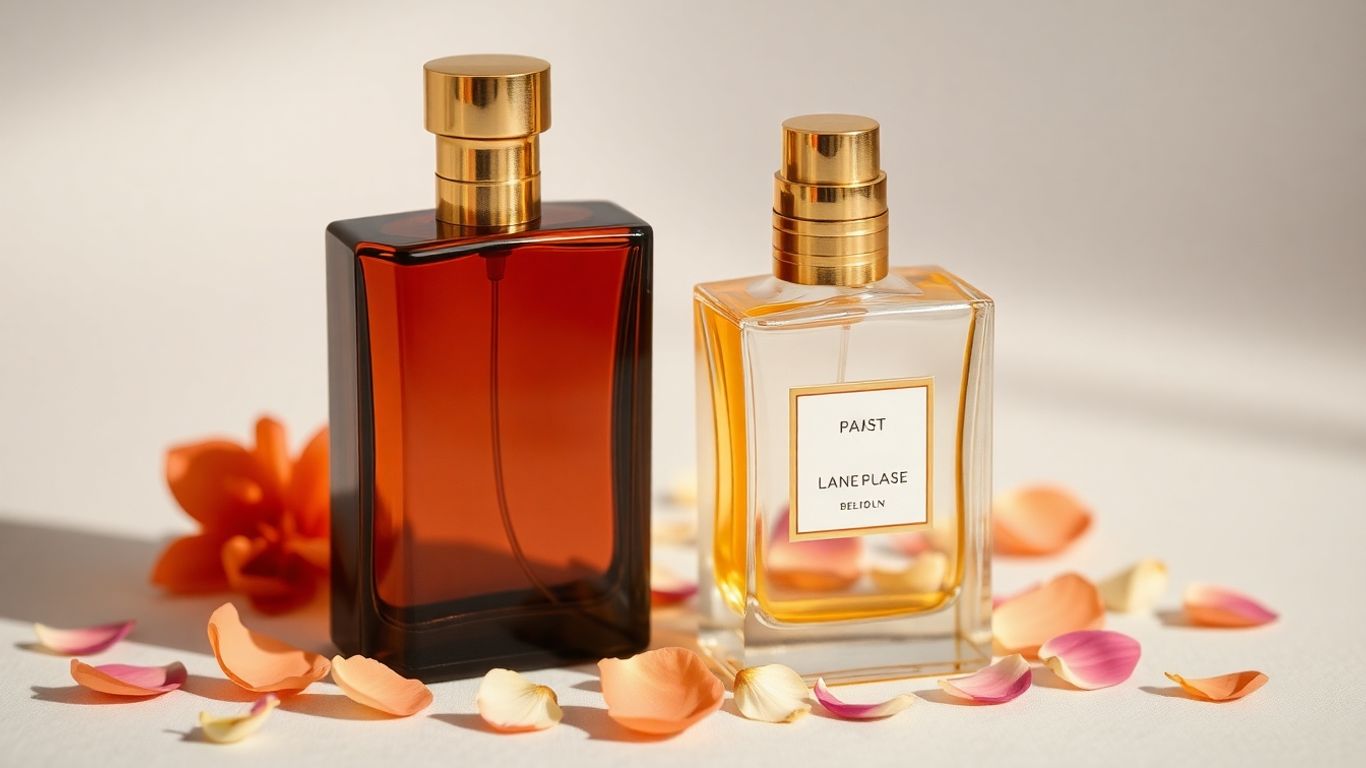
Right then, ready to start playing with scents? It might sound a bit fancy, but honestly, it’s more about just having a go and seeing what you like. We're going to break down how to get going without making it feel like a chemistry lesson.
Know your fragrance families
Before we even think about mixing things, it's a good idea to get a feel for the different types of smells out there. Think of them like colour palettes for your nose. Knowing these can help you pick scents that are likely to play nicely together. We've got the fresh ones, like citrus and aquatic notes – think of a crisp morning. Then there are the floral scents, which are pretty obvious, from delicate rose to heady jasmine. Woody scents are warm and grounding, like sandalwood or cedar. And don't forget the oriental or amber family, which are often richer, spicier, and a bit more mysterious. Knowing which family a scent belongs to gives you a clue about its character.
Choosing the right base scent
When you're layering, it's often easiest to start with a scent that's going to stick around. This is your base. Think of it as the foundation of a house; it needs to be solid. These are usually the scents that have deeper, richer notes like vanilla, musk, sandalwood, or amber. They're the ones that linger on your skin for hours. Picking a base scent that you really like is key, because it's going to be the backdrop for everything else you add. It’s not about picking the most complicated thing, but something that feels right and lasts.
Layering different fragrance products
So, you don't just have to stick to perfumes. You can actually layer different types of scented products. For example, you might start with an unscented or lightly scented body lotion. This gives your skin a bit of moisture, which helps fragrance cling to it better. Then, you can apply your main perfume. But why stop there? You could also use a scented body wash in the same fragrance family, or even a scented hair mist. It’s all about building up those scent notes gradually. The trick is to make sure the products complement each other, not clash. You don't want a strong floral body wash fighting with a woody perfume, unless you're going for something really experimental!
Remember, this isn't about following strict rules. It's more about exploring and finding what smells good to you. Don't be afraid to try things out, even if they seem a bit unusual at first. The best scents are often the ones we discover by accident.
Here’s a quick way to think about it:
- Base Layer: Start with a moisturiser or a lightly scented body oil.
- Main Scent: Apply your chosen perfume or eau de toilette.
- Accent Layer: Add a complementary scented product, like a hair mist or a rollerball perfume, to a different pulse point.
Tactical layering techniques for beginners
So, you're ready to start mixing and matching scents? Brilliant! It might seem a bit daunting at first, but honestly, it's more about playing around than following strict rules. We're going to look at a couple of ways we can approach this, starting with how we combine notes and then how we can play with intensity.
Harmonious pairing of notes
This is probably the easiest place to start. Think of it like building a meal – you want flavours that complement each other, right? With scents, it's much the same. We want to find fragrances that share similar notes or belong to the same family. For example, if you've got a lovely floral body lotion, maybe try pairing it with a perfume that has rose or jasmine in it. It creates a really smooth, cohesive scent that feels natural and not at all jarring. It’s a safe bet when you’re just getting your nose wet with layering.
Here's a little guide to get you started:
- Floral base with a floral top: Think lavender lotion with a hint of lilac perfume.
- Citrus body wash with a citrus mist: A zesty start to your day.
- Woody moisturiser with a musky oil: For a grounding, earthy feel.
Experimenting with contrasting accents
Once you're comfortable with harmonious pairings, you can start to get a bit more adventurous. This is where things get really interesting! We're talking about putting together scents that might seem a bit unexpected, but when they combine, they create something totally new and exciting. Imagine pairing a fresh, clean scent, like a bergamot body spray, with something warm and sweet, like a vanilla or amber oil. The contrast can make each scent stand out more, and the overall effect is a fragrance that evolves as you wear it. It’s like a little olfactory surprise throughout the day.
Don't be afraid to try combinations that initially sound a bit odd. Sometimes the most surprising pairings create the most beautiful and unique scents. It’s all part of the fun of discovery.
Adjusting scent intensity
This is key to making sure your layered scent is just right – not too much, not too little. The order in which you apply your products can make a big difference. Generally, you'll want to start with your lighter products and build up. For instance, a scented lotion or oil usually forms the base. Then, you can add a spritz of your perfume. If you want a really subtle scent, maybe just use a tiny bit of perfume. If you're going for something bolder, you might use a bit more, or even layer a second, complementary scent on top. It’s all about finding that sweet spot that works for you and the occasion.
Here’s a quick way to think about intensity:
- Subtle: Light lotion + a single spritz of perfume.
- Moderate: Scented wash + lotion + one or two spritzes of perfume.
- Bold: Scented wash + lotion + perfume + a touch of a complementary oil or mist.
Crafting your signature scent
We've all got that one scent that just feels like us, right? But what if we could take that a step further and actually create something totally unique, a fragrance that’s a true reflection of our personality? It might sound a bit daunting, like something only professional perfumers do, but honestly, it’s more accessible than you might think. We're going to look at how to build your own special smell.
Understanding the fragrance pyramid
Think of a perfume like a story with different acts. The fragrance pyramid is just a way to describe these acts. It helps us understand how a scent develops over time.
- Top Notes: These are the first things you smell when you spray a perfume. They're usually light and fresh, like citrus or mint, and they disappear pretty quickly, maybe after 15 minutes or so.
- Middle Notes (or Heart Notes): Once the top notes fade, these come through. They're the main body of the perfume, often floral or spicy, and they last longer, perhaps a few hours.
- Base Notes: These are the deep, rich scents that linger the longest, sometimes all day. Think of things like sandalwood, vanilla, or musk. They give the perfume its staying power and depth.
Choosing your essential oils
This is where the fun really begins! Picking out your scents is all about what you like. Don't be afraid to experiment. We'd suggest starting simple, maybe with just three oils that you think will work well together, one for each level of the pyramid. For example, you could try bergamot for the top, rose for the middle, and cedarwood for the base. It’s a good idea to keep a little notebook and jot down what you use and how much, so you can recreate a blend you love or figure out what went wrong if it doesn't quite hit the mark.
Always remember to use essential oils safely. They're very concentrated, so you'll need to dilute them properly in a carrier oil, like jojoba or sweet almond oil, before you put them on your skin. A good starting point is about a 10% concentration of essential oil to 90% carrier oil.
The art of blending
So, you've got your oils and you understand the pyramid. Now, how do we put it all together? It's a bit like cooking, really. Start with your base notes in a small glass bottle. Then, add your middle notes, give it a gentle swirl, and have a sniff. Finally, add just a tiny bit of your top notes – be careful, they can be strong! It’s best to let your creation sit for at least 24 hours. This gives the scents time to meld together and mature. After that, you can smell it again and see if you need to tweak anything. Don't worry if your first attempt isn't perfect; it's all part of the learning process. The goal is to create something that feels authentically you.
Where to apply your layered fragrance
Right then, we've talked about picking scents and how to put them together, but where do we actually put all this lovely stuff? It's not just about spraying it anywhere, you know. The placement makes a real difference to how long it lasts and how it smells throughout the day.
Preparing your skin
First things first, your skin needs to be ready. Think of it like painting – you wouldn't paint on a dusty canvas, would you? Clean, hydrated skin is the best base for any fragrance. If you're really getting into layering, starting with a lightly scented body wash can be a good move. It’s like laying down the first subtle hint of your chosen aroma before anything else.
Strategic moisturising
After you're clean and dry, it's time for moisturiser. This is super important for making your scent stick around. We like to use a body lotion that has a scent that either matches or complements the main perfume we're planning to wear. Don't just slap it on anywhere; focus on areas where you'll be applying your main fragrance. This helps to create a lasting foundation for your scent. Think of it as sealing in the fragrance, so it doesn't just disappear after an hour.
Applying to pulse points
Now for the main event: applying the actual perfume. The best places are what we call 'pulse points'. These are spots on your body where your blood is closer to the skin's surface, meaning they're naturally warmer. This warmth helps to gently diffuse the fragrance throughout the day, making it evolve and smell lovely. Here are our go-to spots:
- Wrists: A classic for a reason. Just be careful not to rub them together after applying, as this can break down the scent molecules and make it smell a bit off.
- Behind the ears: A discreet spot that catches the scent as you move your head.
- Neck: The front of your neck, just below the jawline, is a great place for scent to waft upwards.
- Inner elbows: Less common, but surprisingly effective.
- Behind the knees: Sounds odd, but the warmth rising from your legs can help carry the scent.
For an extra touch, you can also lightly mist the ends of your hair or a scarf. The fragrance will catch the air and release subtle hints as you move, creating a beautiful, lingering trail.
Remember, it's all about building your scent gradually. Start with your moisturiser, then add your perfume layers, focusing on these key areas. It takes a bit of practice, but soon you'll know exactly where to apply for the best results.
Creative layering ideas to inspire you
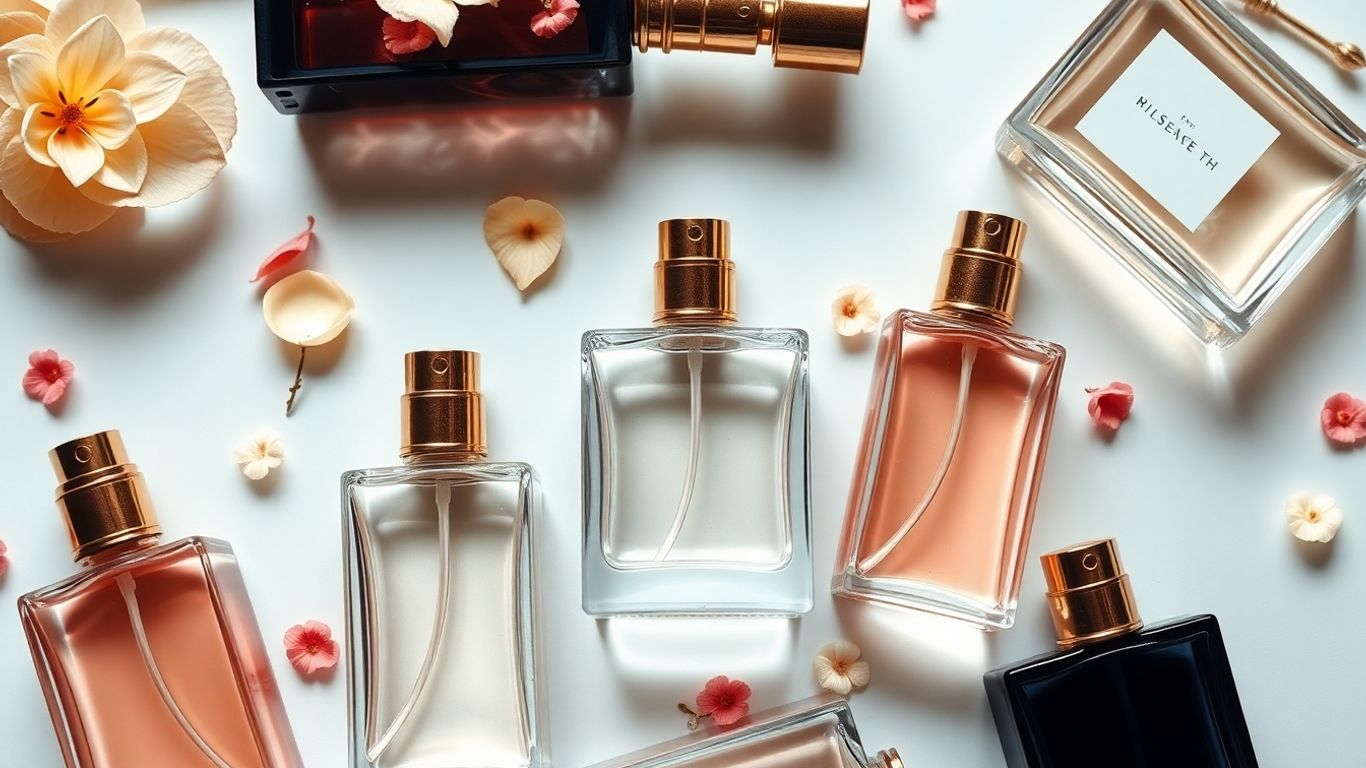
Right, so we've talked about the basics, but now for the fun bit! It's time to get a bit experimental and really start playing with scents to make something that's totally you. Think of it like painting – you've got your base colours, but then you add those little touches that make it pop.
Seasonal scent combinations
Our noses often crave different things depending on the weather, don't they? In the summer, we're usually drawn to lighter, zesty things. Maybe try pairing a citrus body wash with a light floral lotion. It just feels fresh, you know? Then, when it gets colder, we tend to lean towards warmer, cosier smells. A vanilla-scented body cream with a hint of something spicy, like cinnamon or amber, can feel like a warm hug. It’s all about matching the vibe of the season.
Here’s a quick idea:
| Season | Top Notes | Base Notes |
|---|---|---|
| Spring | Fresh florals, Green notes | Light musk, Citrus |
| Summer | Citrus, Aquatic, Fruity | Light woods, White florals |
| Autumn | Spices, Warm fruits, Amber | Woody notes, Vanilla, Patchouli |
| Winter | Rich spices, Gourmand, Incense | Musk, Amber, Deep woods |
Beyond skin: scenting your space
Who says layering is just for your skin? We often forget that scent can transform a whole room. You can use scented candles or diffusers to set a mood. Imagine coming home and lighting a woody candle while you've got a subtle, complementary scent on your skin. It creates a whole atmosphere. It’s a bit extra, maybe, but it really pulls everything together.
We often think of fragrance as something we wear, but it's also something we can live in. By extending your scent choices beyond your skin, you create a more immersive and personal environment. It’s about building a world that smells like you, from your morning coffee to your evening wind-down.
Embracing individuality
Honestly, the best part about all of this is that there are no hard and fast rules. What smells amazing on one person might not be quite right for another. That's the beauty of it! Don't be afraid to try something a bit unexpected. Maybe a traditionally masculine woody scent layered with a sweet floral? Or a fresh aquatic note with a rich, dark chocolate accord? The goal is to create a scent that makes you feel good and confident. It’s your personal scent story, so go ahead and write it however you like.
So, What's Next?
Right then, we've gone through the basics of scent layering, and hopefully, it doesn't seem too daunting anymore. It's really about playing around and seeing what smells good to you. Think of it like cooking – you start with a few ingredients, maybe follow a recipe at first, but eventually, you just start chucking things in to see what happens. That's the fun part! Don't be afraid to mix things up, try different combinations, and just enjoy the process of finding your own special smell. There are no hard and fast rules here, just loads of chances to create something that feels completely yours. Happy scent mixing!
Frequently Asked Questions
So, what exactly is this 'fragrance layering' thing?
Basically, it's like mixing different scents to create your own special smell. Think of it like cooking – you combine different ingredients to make a unique dish. We can mix different products, like lotions and perfumes, to make our scent last longer, or we can blend different perfumes to make a signature scent that's all our own.
Why would we want to layer scents instead of just using one perfume?
It's all about making something totally unique to you! Layering lets us create a scent that nobody else has. Plus, it can make your favourite smells last way longer on your skin, and you can control how strong or subtle you want it to be. It's a fun way to express ourselves!
Can we really mix any perfumes together?
You can definitely try mixing different scents, but it's best to start with ones that have similar smells or notes that go well together. Imagine mixing a floral lotion with a floral perfume – that usually works really nicely. We can also experiment with contrasting scents for a more surprising result!
What's the best way to start layering scents?
First off, get to know the different scent families, like floral, citrus, or woody. Then, pick a base scent that you really like – this is like the foundation. After that, you can start adding other scented products, like lotions or even oils, to build up your fragrance.
Where should we put our layered scents on our body?
It’s a good idea to put your layered fragrance on your pulse points. These are spots where your body is a bit warmer, like your wrists, neck, and behind your ears. The warmth helps the scent to spread out and last longer throughout the day.
What if we want our layered scent to last even longer?
The trick is to start with well-moisturised skin. Using a scented body lotion before you spray your perfume is a great way to help the scent stick around. Think of it like giving your skin a nice, hydrated base for the fragrance to cling to.