We've all seen those perfumes that smell a lot like the fancy ones but cost way less. It makes you wonder, though, are these 'inspired' or 'clone' perfumes actually legal in the UK? It's a question that pops up a lot, especially when you're trying to save a bit of cash without giving up your favourite scents. We're going to take a look at what the deal is, so you know what you're buying.
Key Takeaways
- Inspired and clone perfumes aim to replicate the scent profiles of well-known, often expensive, fragrances.
- In the UK, the legality hinges on whether these perfumes are direct counterfeits or if they are inspired by, using different branding and formulations.
- Using a brand's name or logo without permission is illegal and constitutes trademark infringement.
- Companies selling inspired scents often use disclaimers stating they are not affiliated with the original brands and are interpretations, not exact copies.
- While the scent itself can't be copyrighted, the unique name, branding, and packaging of an original perfume are protected, meaning clone perfumes must avoid direct imitation to stay on the right side of the law.
Understanding inspired and clone perfumes
What are inspired and clone fragrances?
So, what exactly are we talking about when we say 'inspired' or 'clone' perfumes? Essentially, these are fragrances created by one company that aim to smell very similar to a well-known, often much more expensive, designer perfume. Think of it like a cover song – it's not the original artist, but it captures the essence and feel of the original track. The terms 'inspired by' and 'clone' are often used interchangeably, though some might argue 'inspired by' suggests a looser interpretation, while 'clone' implies a closer replication of the scent profile. We're talking about scents that evoke the same feeling, the same notes, and the same overall impression as a luxury fragrance, but at a significantly lower price point.
The rise of affordable alternatives
It feels like everywhere you look these days, there's a more budget-friendly version of a popular scent. This trend has really taken off, and honestly, it's not hard to see why. Designer perfumes can cost a small fortune, sometimes hundreds of pounds for a single bottle. For many of us, that's just not realistic for everyday wear, or even for trying out new scents. These 'dupes', as they're often called, offer a way to enjoy a similar olfactory experience without breaking the bank. We've seen brands pop up that specialise in these, and they're becoming really popular, especially with younger consumers and those who love to switch up their fragrance regularly.
Distinguishing between inspiration and imitation
This is where things can get a bit blurry. When a brand says their perfume is 'inspired by' another, they're usually trying to signal that it shares a similar scent profile. They're not claiming to be the original, but rather to offer something that gives you a similar vibe. For example, a perfume might be inspired by a famous floral scent, using similar notes like rose and jasmine, but perhaps with a slightly different base or a twist in the middle. It's about capturing the spirit of the original. On the other hand, a 'clone' might aim for a much closer resemblance, trying to mimic the original scent as accurately as possible. It's a fine line, and the intention behind the creation is key here.
The world of fragrance is subjective, and what one person perceives as a close match, another might find slightly different. It's all about personal interpretation and how a scent interacts with individual skin chemistry.
Here's a rough idea of how the pricing can compare:
| Fragrance Type | Example (Hypothetical) | Price (100ml) | Price per ml (100ml) |
|---|---|---|---|
| Designer Original | 'Luxury Bloom' | £250 | £2.50 |
| Inspired/Clone | 'Floral Echo' | £40 | £0.40 |
As you can see, the savings can be pretty substantial, which is a big part of their appeal.
The legal landscape in the UK
Intellectual Property and Perfume
When we talk about perfumes, especially those that smell a lot like designer ones, the law gets a bit tricky. It's all about protecting the original creators' hard work. In the UK, like many places, we have laws around intellectual property (IP). This basically means ideas and creations are protected. For perfumes, this can cover a few things, like the name of the fragrance, the bottle design, and sometimes even the unique scent itself, though that last one is harder to pin down legally. The key is distinguishing between being inspired by a scent and outright copying it.
Copyright and Trademark Considerations
Copyright usually protects original works of art, like books or music. While a perfume's scent isn't typically protected by copyright in the same way, the branding around it – the name, logo, and packaging – is often protected by trademark law. A trademark stops others from using a name or logo that's confusingly similar to an existing one, to avoid misleading consumers. So, if a company calls their perfume "Chanel No. 5" or uses a very similar bottle and logo, they're likely breaking trademark laws. However, if they create a scent that smells like "Chanel No. 5" but give it a completely different name and packaging, it's a different story.
Are Inspired or Clone Perfumes Legal?
This is the million-pound question, isn't it? Generally speaking, selling a perfume that is inspired by a popular scent, but doesn't use the original brand's name, logo, or packaging, is usually legal in the UK. These are often called 'dupes' or 'inspired by' fragrances. They aim to replicate the scent profile, not the brand identity. However, if a product is marketed as an exact copy, uses the original brand's name, or is presented in a way that clearly deceives customers into thinking it's the genuine article, then it crosses the line into illegal counterfeiting. It's a fine line, and companies need to be careful.
Here's a quick breakdown:
- Legal: Selling a perfume with a different name and packaging that smells similar to a designer scent.
- Legal: Marketing a scent as 'inspired by' a popular fragrance, clearly stating it's an interpretation.
- Illegal: Selling a perfume using the original brand's name, logo, or packaging.
- Illegal: Marketing a perfume as an exact replica or 'clone' in a way that suggests affiliation with the original brand.
The core principle is that consumers should not be misled into believing they are purchasing a product from the original brand when they are not. The law aims to protect both the rights of the original creators and the expectations of the public.
Navigating intellectual property law
When we're looking at inspired or clone perfumes, the big question always comes down to the law. It's not as simple as just saying "it smells like X, so it's okay." We need to think about intellectual property (IP) rights, which are designed to protect creators and their work. For perfumes, this mainly involves copyright and trademarks.
The role of artistic interpretation
Think of a perfumer creating a scent like an artist painting a picture. The original fragrance is the masterpiece. An inspired perfume, in theory, is like an artist creating a piece in the style of a famous painter. It's not a direct copy, but it draws heavily on the original's aesthetic. The key here is interpretation. Is the new scent a genuine artistic take, or is it just trying to pass itself off as the original? The law looks at how much creative input and originality went into the new fragrance. It's a fine line between being inspired by a scent's profile and directly copying its unique formula.
Avoiding direct counterfeiting
This is where things get serious. Counterfeiting is illegal. It means making an exact replica of a product and trying to pass it off as the genuine article, often using the original brand's name and packaging. With perfumes, this would mean using the designer's name, logo, and bottle design to sell a cheap imitation. No one wants to accidentally buy a fake, and brands certainly don't want their reputation damaged by shoddy copies. So, when we see inspired perfumes, we're looking for ones that are clearly not trying to trick us into thinking they're the real deal. They might share a similar scent profile, but the branding, packaging, and name should be distinct.
Disclaimers and brand affiliation
This is why you'll often see disclaimers on websites selling inspired fragrances. They're usually very clear about the fact that their scent is inspired by a particular designer fragrance, but it's not the original. They'll state that they aren't affiliated with the original brand. It's their way of saying, "We love this scent, and we've made something similar, but it's our own creation and not a fake." This transparency is pretty important. It helps consumers make informed choices and shows that the company is trying to stay on the right side of the law. It's like saying, "This is my interpretation, not a forgery."
Here's a quick rundown of what to look for:
- Clear Naming: The inspired perfume should have its own unique name, not just a slight variation of the original designer's name.
- Distinct Packaging: The bottle and box should look different from the original designer's product.
- Explicit Disclaimers: The seller should clearly state that their product is inspired by, and not affiliated with, the original brand.
- No False Claims: They shouldn't claim to be selling the original fragrance or a direct copy.
The legal framework around inspired fragrances is all about balancing the rights of original creators with the freedom for others to create new works inspired by existing ones. It's a complex area, but the core idea is to prevent deception and protect intellectual property while allowing for creative expression.
Consumer perception and market trends
The appeal of budget-friendly scents
It's pretty clear that a big reason why these inspired fragrances have become so popular is the price. Let's be honest, original designer perfumes can cost a small fortune, sometimes well over £100 for a single bottle. For many of us, that's just not realistic for everyday wear. So, when you can find a scent that smells remarkably similar to a high-end fragrance for a fraction of the cost, it’s a no-brainer, isn't it? We're talking about getting that luxurious aroma without emptying our wallets. It means more people can enjoy the experience of wearing a beautiful scent, even if it's not the original.
Quality and longevity of dupes
When we first started looking into these cheaper alternatives, we were a bit sceptical about the quality. You know, you get what you pay for, right? But honestly, some of them are surprisingly good. We've found that many of these inspired scents actually last a decent amount of time on the skin, sometimes even matching the performance of the pricier originals. It’s not always a guarantee, of course; some just don't hit the mark and can smell a bit off or fade away too quickly. But when you find a good one, it’s a real win.
Here's a quick look at how some inspired scents stack up against their designer counterparts in terms of price:
| Inspired Fragrance | Inspired By | Price (30ml) | Price per ml (100ml) | Saving per ml |
|---|---|---|---|---|
| Black Panther | Bvlgari Tygar | £39 | £0.89 | 69% |
| 1981X | Xerjoff Naxos 1861 | £37 | £0.89 | 57% |
| Zion | Roja Elysium P.C. | £38 | £0.89 | 64% |
| Royal Equestrian | Parfums de Marly Layton | £39 | £0.89 | 59% |
| Dark Knight | Kilian Black Phantom | £39 | £0.89 | 80% |
Social media's influence on discovery
It's impossible to ignore how much social media, especially platforms like TikTok, has changed how we find and talk about perfumes. We see videos everywhere showing off these inspired scents, with people sharing their honest opinions and comparing them side-by-side with the originals. This has really opened our eyes to the sheer number of options out there and helped us discover some real gems we might never have found otherwise. It’s like having a massive community of perfume lovers sharing their best finds, making it easier for us to make informed choices.
The accessibility of these scents means that the joy of fragrance is no longer limited by budget. It's democratised scent, allowing more people to explore and express themselves through perfume without financial strain. This shift is changing how we think about luxury and value in the beauty industry.
So, while the world of inspired perfumes might seem a bit murky legally, there's no denying their massive appeal. People are drawn to the affordability, and increasingly, they're finding that the quality isn't too shabby either. Social media has just amplified all of this, making it easier than ever to find and share these budget-friendly alternatives.
Ethical considerations for consumers
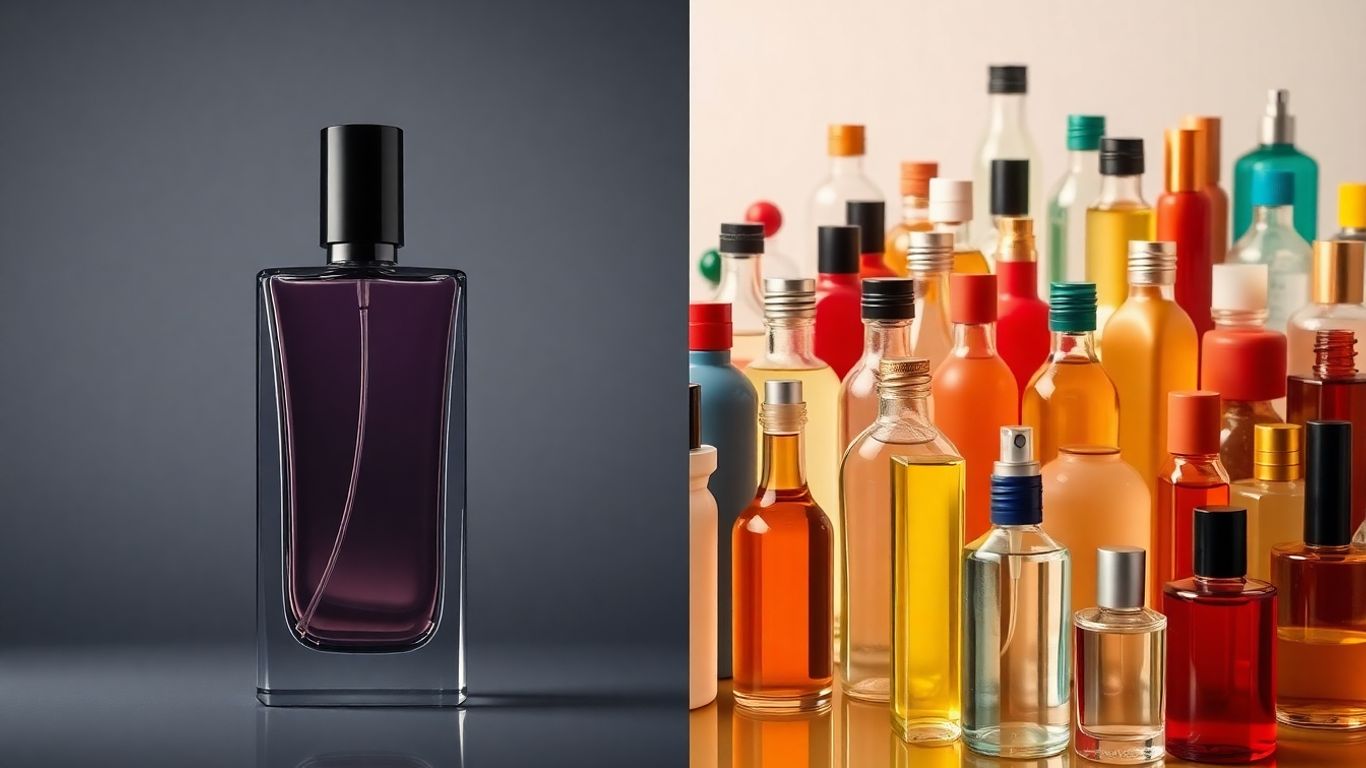
When we're looking at these inspired or clone perfumes, it's not just about whether they're legal or if they smell good. We should also think about the ethics of it all, you know? It’s about being a mindful shopper.
Supporting original creators
It’s easy to get drawn in by the lower prices of inspired scents. Original perfumes often come with a hefty price tag, and sometimes, a bottle can set you back hundreds of pounds. For example, a popular designer scent might cost £150 for 100ml, while a similar-smelling dupe could be as little as £30 for the same amount. That's a massive saving, and it makes luxury scents accessible to more people. However, we need to remember that the original perfumes are the result of a lot of work, creativity, and investment from perfumers and the brands behind them. They spend years developing unique formulas, sourcing high-quality ingredients, and marketing their creations. When we buy a direct dupe, that money doesn't go back to the original artist. It's a bit like buying a print of a famous painting instead of the original – you get the image, but the artist doesn't benefit directly from that specific sale.
Making informed purchasing decisions
So, how do we make choices we feel good about? Firstly, it's about being aware of what we're actually buying. Are we getting something that's clearly labelled as 'inspired by' or is it trying to pass itself off as the real deal? Being clear on the distinction between inspiration and outright imitation is key. If a brand is upfront about its inspiration and doesn't try to mislead consumers, that feels more ethical. We can also look at how transparent the brand is about its own ingredients and creation process. Some companies that make inspired scents are quite open about their process, while others are more secretive. Doing a bit of research into the brand's practices can help us decide if they align with our own values.
The value of sampling before buying
One of the best ways to avoid disappointment and make a good ethical choice is to try before you buy. Many companies that offer inspired fragrances provide small sample sizes or discovery sets. This is brilliant because it means we can test the scent on our own skin to see how it develops and lasts, without committing to a full bottle. It also helps us avoid buying something that might not be quite right, which is a waste of money and resources. If we're really unsure, we can always try to sample the original perfume in a department store first. This way, we know what we're aiming for and can better judge how close the inspired version is. It’s a good practice for any perfume purchase, really, but especially when exploring the world of dupes.
When we choose to buy inspired perfumes, we're often making a trade-off. We gain affordability and access to a wider range of scents, but we might be bypassing the original creators and their hard work. It's a personal decision, but one that's worth thinking about before we click 'add to basket'.
Key differences in fragrance creation
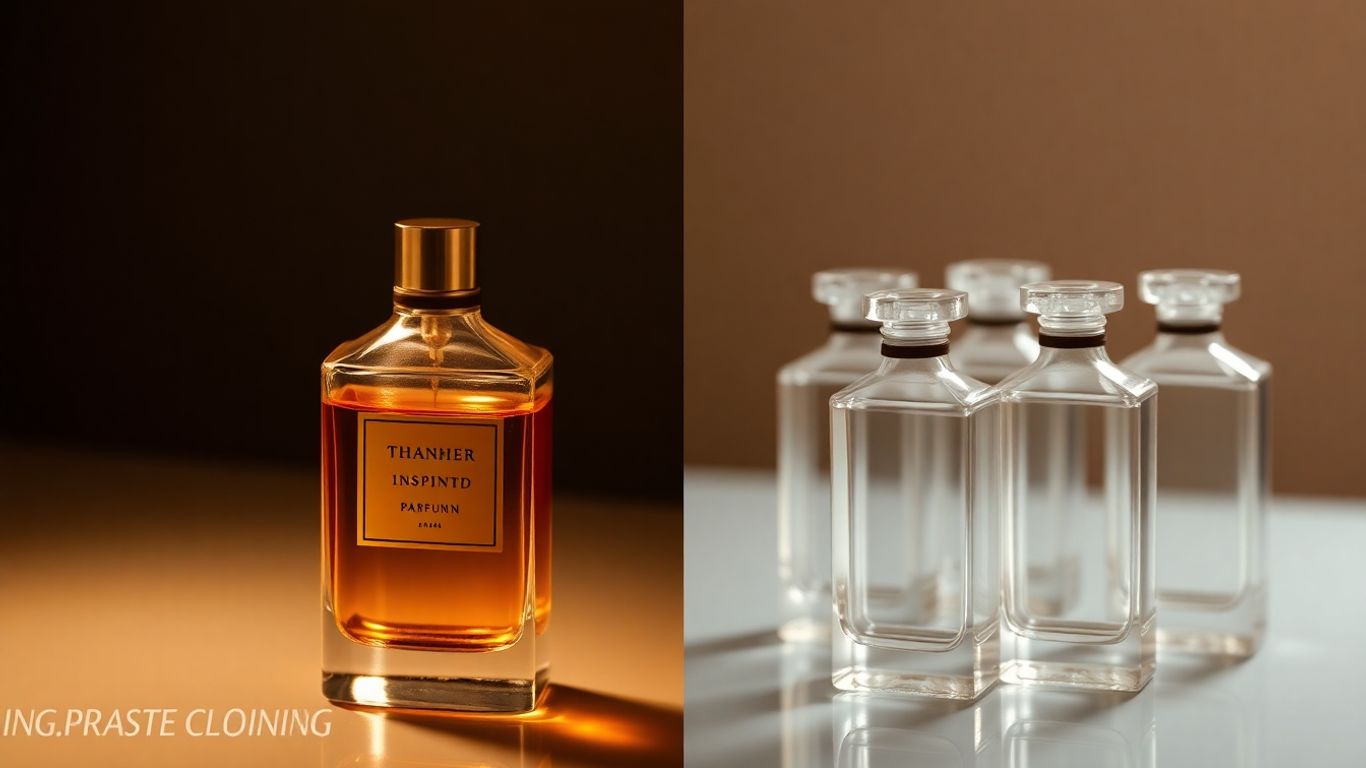
Originality versus interpretation
When we talk about perfumes, there's a big difference between something being completely new and something being inspired by what's already out there. Original fragrances are often the result of a perfumer's unique vision, using novel combinations of notes and accords to create a scent that's never been smelled before. This can involve years of research, sourcing rare ingredients, and a lot of trial and error. It's about pushing boundaries and crafting a signature that stands alone.
Inspired or clone perfumes, on the other hand, take a well-known scent profile as their starting point. They aim to capture the essence or a recognisable aspect of a popular fragrance, but they aren't trying to be an exact replica. Think of it like a cover song versus an original composition. The cover might sound very similar, but it's performed by a different artist, perhaps with a slightly different arrangement or instrumentation. Similarly, inspired fragrances use their own blend of ingredients to evoke a similar feeling or scent family, but they're not claiming to be the original. The goal is to offer a familiar scent experience at a different price point or with a slightly different twist.
Complexity and ingredient sourcing
Original perfumes often boast a complex structure, built with a wide array of high-quality ingredients, some of which can be quite rare and expensive. Perfumers might use natural extracts from exotic flowers, woods, or resins that are difficult to obtain or process. This complexity contributes to the depth, longevity, and unique character of the scent. The sourcing of these materials is also a significant factor, often involving ethical considerations and long-term relationships with suppliers.
Inspired fragrances, while aiming for a similar olfactory profile, might achieve this using more accessible or cost-effective ingredients. This doesn't necessarily mean they are lower quality, but the sourcing and complexity might differ. For example, instead of a rare natural oud, an inspired scent might use a synthetic molecule that mimics its scent. This allows them to replicate the overall impression of a complex scent without the associated high costs. The focus is on creating a recognisable and pleasing aroma that aligns with the inspiration, rather than replicating every single nuance of the original's ingredient list.
The impact of perfumer expertise
We often hear about the 'nose' behind a fragrance, and their skill is paramount in original creations. A master perfumer can spend years developing a single scent, drawing on their deep knowledge of thousands of raw materials and their interactions. They understand how different notes will evolve over time on the skin and how to balance them to create a harmonious and lasting impression. This level of artistry and technical skill is what commands the premium price for many designer and niche fragrances.
For inspired perfumes, the perfumers are still skilled, but their task is different. They are essentially reverse-engineering or deconstructing a scent to understand its key components and then rebuilding it using their own palette. This requires a keen sense of smell and an understanding of fragrance chemistry, but the creative brief is to interpret, not necessarily to innovate from scratch. It's about capturing the spirit of the original, making it accessible to a wider audience. The expertise lies in their ability to recognise and recreate the recognisable elements of a scent profile effectively.
So, What's the Verdict?
Right then, after all that, where do we stand on these inspired perfumes in the UK? It seems like the general consensus is that they're perfectly legal, as long as companies are upfront about what they're doing. We're not talking about outright fakes here, but rather scents that take inspiration from the big names. It’s all about offering us, the consumers, a more affordable way to enjoy fragrances we love. We've seen how some of these 'dupes' can be surprisingly good, lasting ages and smelling pretty close to the originals, often at a fraction of the price. Of course, it's not always a perfect match, and sometimes you might get one that just doesn't hit the mark. But for the most part, it looks like we can keep exploring these scent alternatives without worrying about breaking any laws. Just remember to do your homework and pick wisely!
Frequently Asked Questions
So, what exactly are these 'inspired' or 'clone' perfumes we're hearing about?
Basically, they're fragrances made by one company that smell very similar to really popular, often expensive, perfumes from other well-known brands. Think of them as affordable alternatives that try to capture the same vibe or scent profile as the original famous ones. We often call them 'dupes' for short!
Are we allowed to sell or buy these 'dupe' perfumes in the UK?
Generally, yes, it's okay to buy and sell them as long as they aren't trying to be exact fakes. The law gets a bit tricky here. It's fine if they're inspired by a scent, but they can't copy the brand's name or logo. So, if a perfume is called 'Hawaii Volcano' and smells like Creed's 'Virgin Island Water', that's usually okay. But if they tried to sell it as 'Creed Virgin Island Water', that would be illegal.
What's the difference between 'inspired by' and actual copying?
Good question! 'Inspired by' means the creators took the original scent as a starting point and made their own version. They might use similar notes or a similar overall smell, but they're not trying to trick you into thinking it's the original. Actual copying, or counterfeiting, is when someone tries to make it look exactly like the original, using the same name, packaging, and all, which is illegal.
How do we know if a 'dupe' perfume is any good?
It really depends on the brand and the specific perfume! Some dupes are amazing and smell incredibly close to the originals, lasting for ages. Others might miss the mark a bit, maybe not smelling quite the same or fading too quickly. We've found that checking reviews, especially on social media, can be super helpful to see what other people think before we buy.
Is it fair to the original perfume makers if we buy dupes?
That's something we think about too. The original brands put a lot of work and money into creating their unique scents. Buying dupes means we're not directly supporting their creativity in the same way. However, for many of us, dupes make the world of nice fragrances more accessible. It's a bit of a balancing act, and we try to make informed choices, maybe buying the original for special occasions and enjoying dupes for everyday wear.
So, if we want to try a dupe, what's the best way to go about it?
We always reckon it's best to do a little research first! Look for brands that are upfront about being 'inspired by' and don't try to hide it. Reading reviews from other customers is a lifesaver. And if possible, try to get a small sample or a travel size first. That way, you can test it on your skin to see if you really like it before committing to a bigger bottle.