We've all been there, sniffing a fancy bottle of perfume and wondering, are expensive perfumes truly better quality? It's a question that pops into our heads, especially when we see those eye-watering price tags. We're going to try and unpack what goes into those scents and see if the cost really matches the scent.
Key Takeaways
- The price of a perfume often comes down to the rarity and cost of its ingredients, like precious flowers or animal extracts, and the skill involved in creating them.
- Fragrance fixatives play a big part in how long a scent lasts on your skin, blending science and art to keep your favourite smells with you all day.
- Understanding the fragrance pyramid – the top, middle, and base notes – helps us appreciate how a scent develops and changes over time.
- Both natural and synthetic ingredients are used in perfumes, each with its own pros and cons regarding cost and consumer preference.
- Creating a perfume is an artistic process, aiming to evoke specific moods and emotions through careful selection and blending of scent components.
Understanding the cost of perfume ingredients
The most expensive perfume ingredients and why they are so costly
When we look at the price tag of a fancy perfume, it's easy to wonder what's really going on. A big part of that cost comes down to the ingredients themselves. Some things used in perfumes are incredibly rare, or take ages to produce, which naturally drives up the price. It's not just about the scent; it's about the journey to get that scent. Think about it like this: you wouldn't expect a simple cup of tea to cost the same as a rare, hand-picked oolong, would you? The same logic applies here.
Rare flowers and precious animal extracts in perfumery
Some of the most sought-after perfume components come from nature, and they can be astonishingly expensive. Take, for instance, the Orris root, which comes from a type of iris. It takes about three years for the rhizomes to mature before they can even be processed, and then they need to be aged for even longer to develop their scent. Then there's Ambergris, a waxy substance produced by sperm whales. It's incredibly rare and its scent is said to improve with age, making it a treasure for perfumers. Other precious ingredients include things like:
- Jasmine Absolute: Requires a huge amount of jasmine flowers to produce a small amount of oil.
- Rose Otto: Extracted from Damask roses, this is another labour-intensive process.
- Oud: Derived from agarwood, which is a resinous heartwood that forms in aquilaria trees when they become infected with a specific mould.
The artistry behind exorbitant perfume components
Beyond the sheer rarity or difficulty in sourcing, there's a significant amount of skill and artistry involved in extracting and refining these precious materials. It's a meticulous process that requires deep knowledge passed down through generations. The way these ingredients are handled can make or break a fragrance.
The transformation of raw, often challenging, natural materials into the refined, beautiful scents we associate with luxury perfumes is a testament to human ingenuity and dedication. It's a craft that respects both the ingredient and the final olfactory experience.
This dedication to quality and the sheer effort involved in obtaining and preparing these components are what justify their high cost and contribute to the overall luxury of a perfume.
The science behind long-lasting fragrances
The role of fragrance fixatives
Ever wondered why some perfumes seem to vanish after an hour, while others stick around all day? A big part of that is down to something called fixatives. These are special ingredients that help slow down the evaporation of the more volatile scent molecules. Think of them as the anchors for your fragrance, keeping the scent grounded and present for longer.
Ensuring your favourite perfumes linger all day
So, how do perfumers make sure your favourite scent doesn't just disappear into thin air? It's a clever balancing act. They use a mix of ingredients with different evaporation rates. The top notes, like citrus or light florals, are the first to greet you but fade quickly. Then come the middle notes, the heart of the perfume, which last a bit longer. Finally, the base notes – often woody, musky, or resinous – are the slowest to evaporate and provide the lasting impression. The real magic happens when these notes are blended with fixatives.
Here's a simplified look at how scent notes typically last:
| Note Type | Evaporation Rate | Typical Duration | Examples |
|---|---|---|---|
| Top | Very Fast | 5-30 minutes | Bergamot, Lemon, Lavender, Mint |
| Middle (Heart) | Medium | 2-4 hours | Rose, Jasmine, Cinnamon, Nutmeg |
| Base | Slow | 4-8+ hours | Sandalwood, Vanilla, Patchouli, Musk |
The science and art of scent retention
It's not just about throwing in a bunch of fixatives, though. There's a real art to it. Perfumers need to select fixatives that complement the overall scent profile without overpowering it or making it smell heavy or artificial. Some natural fixatives include things like oakmoss, ambergris (though this is rare and ethically complex now), and certain resins. Synthetic fixatives are also widely used and can be very effective. The goal is to create a scent that evolves beautifully on the skin, rather than just being a one-note wonder that disappears too soon. It’s about creating an olfactory journey that lasts.
Deconstructing the fragrance pyramid
Ever wondered how a perfume seems to change as you wear it? It’s all down to something called the fragrance pyramid. Think of it like a story unfolding on your skin, with different chapters revealing themselves over time.
A Perfumer's Guide to Scent Composition
Creating a scent isn't just about mixing a few nice smells together. It's a real art form, and perfumers are like composers for our noses. They carefully select each ingredient, thinking about how it will interact with others and how it will evolve throughout the day. The goal is to create a balanced and pleasing experience from the first spritz to the last lingering trace. It takes a lot of skill and practice to get it just right.
Unravelling the Layers of Top, Middle, and Base Notes
Most fragrances are built using a three-tiered structure, often called the fragrance pyramid. It helps us understand the scent's journey:
- Top Notes: These are the first things you smell when you apply a perfume. They're usually light and fresh, like citrus or light florals. They disappear quite quickly, often within 15-30 minutes.
- Middle Notes (or Heart Notes): These come out once the top notes have faded. They form the main body of the perfume and are often richer, like spices, heavier florals, or fruits. They can last for a few hours.
- Base Notes: These are the deepest, richest scents that appear last. They provide the foundation and longevity for the fragrance. Think woods, resins, vanilla, or musk. These can linger for many hours, sometimes even a full day.
The Olfactory Journey of Fragrance Notes
When we talk about the 'olfactory journey', we're really just describing how the scent develops over time. It starts with that initial burst of top notes, which grabs your attention. Then, as those fade, the heart notes emerge, giving the perfume its character. Finally, the base notes anchor the scent, leaving a lasting impression. It’s this progression that makes a perfume interesting and complex.
Understanding this pyramid structure helps us appreciate why some perfumes smell different moments after application compared to hours later. It's a deliberate design by the perfumer to create a dynamic scent experience.
Natural versus synthetic fragrance components
The rivalry in the global perfume market
When we're looking at perfumes, it often feels like there's this big showdown happening between ingredients that come straight from nature and those that are made in a lab. It’s a bit like comparing a home-cooked meal to something from a fancy restaurant – both can be good, but they're definitely different. The perfume world is no different, with natural and synthetic components going head-to-head. For ages, natural ingredients were the only game in town, and they still hold a special place for many. But then science stepped in, and suddenly we had a whole new palette of scents to play with. This has led to a bit of a debate, hasn't it? Which one is really better?
Consumer preference for natural and synthetic scents
It’s interesting to see what people are drawn to. Some of us are all about that natural vibe, wanting to smell like flowers, woods, and spices just as they are. There's a certain purity and connection to the earth that appeals to a lot of people. Then you have those who are happy with, or even prefer, the scents created synthetically. These can often be more consistent, sometimes more affordable, and can even mimic natural scents or create entirely new ones that nature never dreamed up. It really comes down to personal taste and what we’re looking for in a fragrance.
Here's a quick look at what people often associate with each:
- Natural Scents:
- Often described as complex and evolving.
- Can be more subtle and nuanced.
- May have a shorter lifespan on the skin.
- Generally more expensive due to sourcing and extraction.
- Synthetic Scents:
- Can be very potent and long-lasting.
- Offer a wider range of scent profiles, including unique creations.
- More consistent batch-to-batch.
- Often more cost-effective to produce.
The cost-effectiveness of synthetic compounds
Let's be honest, price is a big factor for most of us. This is where synthetic ingredients often win out. Getting certain natural materials, like rare flowers or animal extracts, can be incredibly difficult and expensive. Think about how much rose petals it takes to make just a tiny amount of rose oil! Synthetics, on the other hand, can often be produced in large quantities more reliably and at a lower cost. This doesn't necessarily mean they're lower quality, just that the economics of production are different. It allows for more accessible fragrances that smell great without breaking the bank. Sometimes, a synthetic molecule can even replicate a natural scent more affordably or with greater stability than the real thing.
The art and craft of perfume creation
Developing a custom fragrance as a work of art
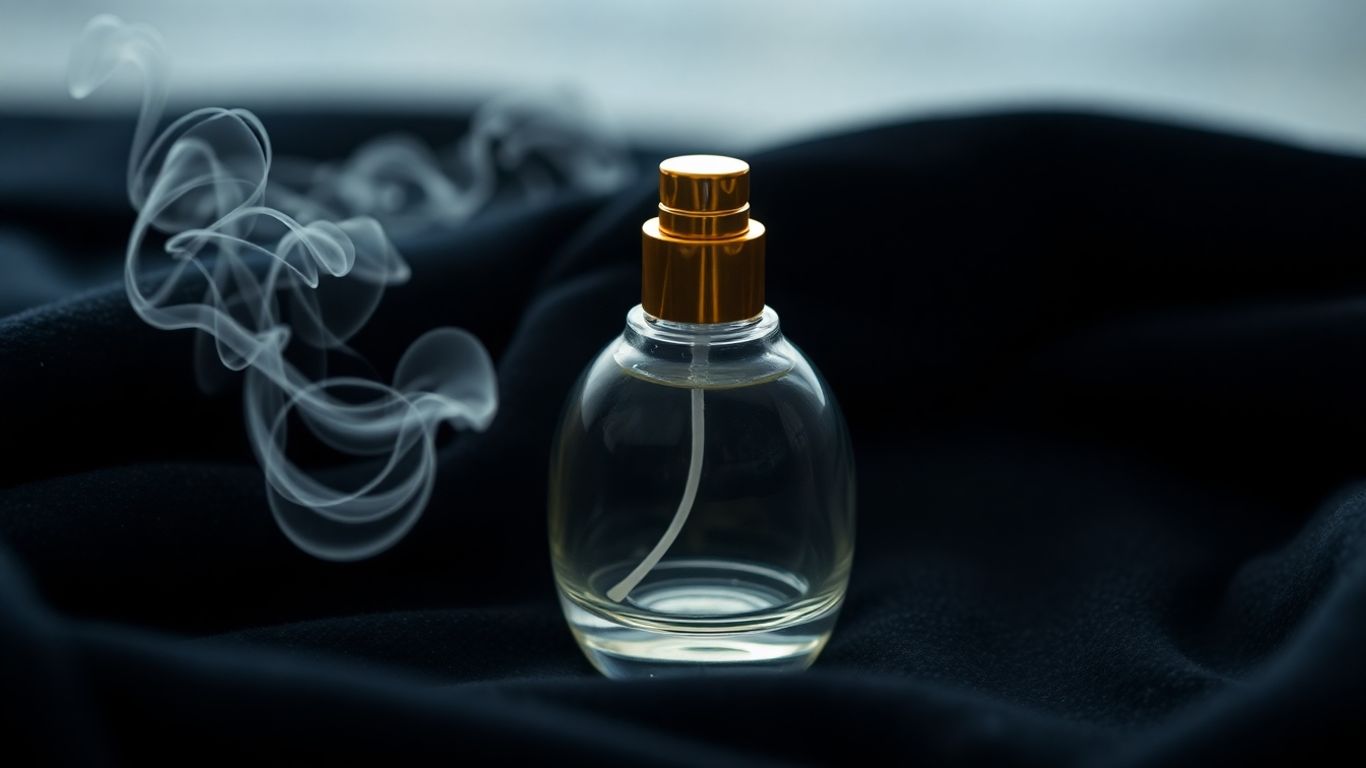
Creating a unique scent is a bit like painting a picture or composing a piece of music. It’s not just about mixing things together; it’s about building something that tells a story or evokes a feeling. We think of it as crafting a personal signature, something that really speaks to who you are or what a brand represents. It can be bold and attention-grabbing, or quiet and subtle, depending on the mood we’re trying to capture. The goal is to make a scent that people connect with on an emotional level.
The detailed process of perfume formulation
When we're actually making a perfume, it's a pretty involved process. It starts with an idea, a concept, or even just a memory. Then, we begin selecting the individual scent components, thinking about how they'll interact. It’s a bit like a chef choosing ingredients for a complex dish. We have to consider the top notes that hit you first, the middle notes that form the heart of the scent, and the base notes that give it depth and staying power. Getting the balance right is key. It often involves a lot of trial and error, tweaking the ratios until it feels just right. We might go through dozens of variations before we land on the final formula.
Evoking moods and emotions through scent
This is where the real magic happens. A well-crafted perfume can transport you. It can bring back forgotten memories, make you feel confident, or even help you relax. Think about how a certain smell can instantly remind you of your grandmother’s kitchen or a holiday by the sea. We try to bottle those kinds of experiences. It’s about understanding how different scent families – like floral, woody, or oriental – affect our mood and emotions. For example, citrus notes often feel uplifting and energising, while something like lavender can be calming. It’s fascinating how a combination of carefully chosen ingredients can have such a powerful impact on how we feel.
Exploring the nuances of scent profiles
A perfumer's guide to fragrance profiles
When we talk about perfume, we're really talking about a carefully constructed scent profile. It's like a musical composition, but for your nose. Perfumers, or 'noses' as they're often called, spend years learning to identify and blend thousands of different aroma molecules. They don't just throw things together; there's a real method to the madness. They think about how different notes will interact, how they'll evolve over time on the skin, and what kind of feeling or story they want the fragrance to tell. It's a bit like painting with smells, really. The goal is to create something that's more than just a pleasant aroma; it's an experience.
Unravelling the layers of top, middle, and base notes
Most perfumes are built on what's called a fragrance pyramid. This is a way of describing how the scent changes from the moment you spray it until it fades away. It's usually broken down into three parts:
- Top Notes: These are the first things you smell. They're usually light and fresh, like citrus or light florals. They disappear pretty quickly, often within 15 minutes.
- Middle Notes (or Heart Notes): These come out after the top notes have faded. They're the core of the perfume, often richer and more complex, like spices or heavier florals. They can last for a few hours.
- Base Notes: These are the deepest, richest notes that appear last. They're the foundation of the fragrance and are designed to last the longest, sometimes for days. Think woods, resins, or vanilla.
The olfactory journey of fragrance notes
So, when you try a new perfume, you're not just smelling one thing. You're going on a journey. First, you get that bright, zesty opening. Then, as that settles, the heart of the fragrance reveals itself – maybe it's a bouquet of roses or a hint of cinnamon. Finally, the base notes emerge, giving the perfume its lasting character and warmth. It's this evolution, this dance of notes, that makes a fragrance interesting and unique. It’s why two perfumes that smell similar on paper can smell quite different on different people, too – our skin chemistry plays a part in how these notes develop.
The historical and sensory evolution of perfume
The ancient origins of perfumery
We've been drawn to nice smells for a really, really long time. Honestly, it feels like forever. Think way back to ancient Egypt, Greece, and Rome. They were already mixing up plant bits – flowers, leaves, woods, sticky resins – to make scented oils. These weren't just for smelling good; they were used to anoint bodies and even burned as incense. It's pretty wild to think that the very first perfume factory ever found was in Cyprus, dating back ages!
The evolution of scent extraction techniques
Getting those lovely smells out of plants has changed a lot. In the old days, it was a lot of hard graft, like pressing or soaking things in oil. The Romans even used to scent their baths. Over time, people got cleverer. We moved from simple methods to more complex ones like distillation, which is basically boiling plant matter to capture the steam and then cooling it to get the essential oil. This shift from basic maceration to steam distillation was a massive step forward. It meant we could get more potent and purer scents, opening up a whole new world of fragrance possibilities.
The enduring allure and mysterious language of fragrance
There's something about perfume that just sticks with us, isn't there? It's not just about smelling nice; it's deeply tied to our memories and feelings. Think about a certain smell that instantly takes you back to a childhood moment or a special occasion. It's like a secret code that our brains understand. Even today, with all our modern science, there's still a bit of magic to it. It’s fascinating how different scents can make us feel – happy, calm, energetic. It’s a language without words, and we’re all fluent in it, even if we don’t always realise it.
So, What's the Verdict?
Right then, after all that sniffing around, it seems like the whole 'expensive equals better' thing with perfumes isn't quite as straightforward as we might have thought. We've seen how fancy ingredients and clever marketing can bump up the price, sure, but that doesn't automatically mean a cheaper bottle won't smell just as lovely, or even better for you personally. It really comes down to what you like and what works with your own skin. So, don't be afraid to explore, try different things, and trust your nose – it's the best guide you've got. After all, the most important thing is finding a scent that makes you feel good, whatever the price tag.
Frequently Asked Questions
Why do some perfumes cost so much?
Honestly, it often comes down to the ingredients. Some scents use really rare flowers or special animal-derived materials that are super hard to get, making them really expensive. Think of it like using gold versus tin – the materials themselves have a much higher price tag.
What makes a perfume smell good for a long time?
That's where 'fixatives' come in! These are special ingredients that help the scent stick around. They're like the glue that holds the fragrance together, stopping it from disappearing too quickly. It's a clever bit of science that makes sure your favourite scent lingers.
How are perfumes structured with different smells?
We usually talk about a 'fragrance pyramid'. It's got top notes, which are the first smells you notice and fade fast, middle notes (the heart of the perfume), and base notes, which are the deep, lasting scents. It’s like a story unfolding on your skin.
Are natural ingredients always better than fake ones in perfume?
Not necessarily! While natural ingredients can be lovely, they're often pricier and can vary a lot. Synthetic ingredients can be made more affordably and consistently, and clever perfumers can create amazing smells using them too. It's a bit of a mix in the perfume world.
Can you really create a custom perfume?
Absolutely! Making a unique perfume is like creating a piece of art. It involves carefully mixing different scents to create a specific mood or feeling. It's a detailed process, but the result is a scent that's totally yours.
Why do perfumes smell different on different people?
It's fascinating, isn't it? Our skin chemistry is unique! Things like your skin's natural oiliness or even your body temperature can change how a perfume smells on you. So, a scent that smells amazing on your friend might be a little different on you.